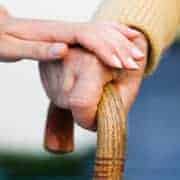
Why Are There So Many Senior Opioid Addicts?

Lately, it’s been common to hear on the news about the heroin and opioid epidemics across the nation. Often times, we hear about young or middle-aged victims succumbing to their addictions, but the problem doesn’t just exist there. Seniors are also part of this drug epidemic as well. AARP reports that in 2015, nearly one third of Medicare patients (12 million people), were prescribed opioid painkillers. Also in 2015, 2.7 million Americans over age 50 reportedly abused painkillers.

Misconceptions

One of the problems that unraveled with these painkillers is that they are often prescribed for legitimate reasons but are extremely easy for the body to become dependent on. It is possible within just a week for some individuals to become physiologically dependent on these drugs and experience adverse side effects when stopping their consumption. A common misteaching that pervaded the medical community was that that because opioids were prescribed legitimately (post-surgery, chronic pain), they weren’t considered vices of addiction.

Pharmaceutical Companies Spin “Quality of Life”

Previously, opioids were reserved only for treatment with cancer patients or for short-term relief following an accident or major surgery. However, during the ‘90s, opioids became a popular painkiller especially after the 1995 approval of OxyContin by the FDA. Opioids were lauded as the new go-to for pain relief for a new group of consumers: those suffering from chronic pain. Opioids were heavily marketed to medical professionals by pharmaceutical companies without much regard or research  into the long-term consequences.

The CDC started connecting the dots when a 2006 study was commissioned to explore the link between the exponential number of deaths and the 500% increase in prescriptions written for opioid drugs. Despite their findings, there was an undercurrent of advocates for opioid use and against increased regulation on the drug. One of the main champions for fewer regulations was the University of Wisconsin’s Pain & Policies Study Group.

In 2011, an investigation revealed that this particular group had been a behind-the-scenes force in the explosion of opioid use and opioid advocacy. For about a decade, they had been setting the stage by publishing papers and promoting the use of opioid painkillers under the guise that it was in the patient’s best interest to acquire relief from chronic or debilitating pain (quality of life). Surreptitiously, this group also received $2.5 million from opioid companies during their decade-long campaign. Though their claims were almost never substantiated by extensive research, they managed to gain a stronghold in the collective conscience of the medical community, and the damage has just recently been coming to light.

Perhaps due to these or other forces at work, in 2009, the American Geriatric Society actually encouraged the prescription of opioids for pain relief. Though their stance has since been rescinded, the belief still remains pervasive that seniors/elderly are not affected by addiction.

Opioid Dangers Specific to Seniors

The general public now knows that the opioid crisis is real; these drugs are powerful and addictive. But there are effects of opioids that make the drugs even more dangerous for senior and elderly individuals.

Much of this population is already taking other prescriptions, which can enhance the negative effects or even risk contraindications of opiates. Additionally, as “downers,” opioids can depress the respiratory system, which can be dangerous if taken with other medications that have a sedative-like nature. Because the pharmacodynamics (effects drugs have on the body) and pharmacokinetics (the way the drug moves through the body) are also generally slower in seniors and elderly, dosing these heavier medications can be tricky as well and also contribute to a heightening of the medications’ effects. Additionally, with suppressed body responses and reactions, seniors and elderly can be more likely to fall or injure themselves.

Engaging in Best Practices

Unfortunately, there are some doctors who prefer to prescribe medications over finding the root of the problem, which may be able to be resolved with a non-pharmaceutical approach.

For example, if a resident is complaining of muscle pain, the “easiest” fix can be to give them a pain medication or muscle relaxant. However, a different, more productive & long-term solution may involve stretches, exercise, or physical therapy. This can provide other benefits as well: strengthening the muscles and bones  to prevent from further physical damage, as well as keeping the heart active and healthy.

Of course, it is up to the team to decide what is in the best interest for the resident, and what would be most beneficial and applicable to their individual context. In some cases, medication could be the correct answer, or a combination thereof,  but it is worthwhile to explore all possible avenues.

Countering the Opioid Epidemic in Assisted Living

Assisted Living provides an opportunity to make a concerted effort in reducing the dependency on opioids. With multiple medical professionals working on a team for each individual, it can help serve as a check-and-balance system and work toward unbiased care.

Part of ensuring that the rest of the team is on board with the right mentality begins in part with the hiring process. However, it also continues with support from the facility administration. One of the most important tenets in assisted living is to encourage individualized healthcare plans that focus on the true quality of life of the residents and to avoid employing practices that are merely pacifiers and not long-term solutions. Having the administration set the tone and enforce resident-centered philosophies help keep the team focused and on the right path.

____

Assisted Living Education is a premier provider in classroom and online courses, continuing education and RCFE classes and certification for assisted living. Explore our website or contact us directly for more information.


Supporting the Residents’ Emotional Well-Being in Assisted Living Care

Many residents are admitted to assisted living because they can no longer live independently and may even need professional care for long-term or chronic conditions and illnesses. There are also those who may be admitted temporarily for professional rehabilitory care after a major surgery, such as knee or hip replacement.

Part of quality assisted living care is establishing an individualized healthcare plan that treats and promotes positive progress for the residents’ medical conditions or diagnoses. These plans attempt to hit all aspects of care, including physical, cognitive, and occupational skills.

In addition to these basic components, it is equally important to consider the emotional foundation as well. It is widely known that having a positive attitude and outlook on life can aid in the body’s physical health and recovery. A University of Pittsburgh revealed that from a sample of 97,000 women, the most cheerful were 30% less likely to die of heart disease, while another 14% were less likely to die from other common diseases.

Assisted Living Education reviews some factors, common therapies, and other activities to consider in supporting the emotional well-being of your residents.

Factors to Fight Against

Many elderly individuals face a lot of challenges as they age: increasing aches and pains, developing or worsening health issues, loss of friends and relatives, and some cognitive issues as well. Some take it in stride but for others, it can severely affect their outlook on life.

Though depression is said to affect 6 million Americans over the age of 65, it is not a normal progression of age. In elderly individuals, depression is often a diagnosed comorbidity with another condition or disease, such as coronary artery disease (CAD) or chronic obstructive pulmonary disease (COPD).

Besides some of the factors we mentioned above, there are additional elements that can also lead to depressive episodes as well.

Loss of Independence

For some residents, especially the long-term ones, it can be frustrating needing to depend on others for help and facing the loss of independence they once had. There may be restrictions on certain activities, foods, and certainly where and when they are able to go places. These frustrations and the loss of independence itself can be triggers for depression in elderly residents.

The loss of independence can also elicit feelings of uselessness, loss of control, and even fear, anger, guilt, and confusion. Many elderly are used to certain routines and have probably had more control in designing their own schedules. Any kind of change can take some time to process, and switching environments and lifestyles is a major change which will likely require an overhaul in their daily norm.

Loneliness

For some, being admitted to an AL facility can seem like an isolating event. In addition to losing their independence, individuals may feel cut off from friends and family in their new environment. For those without close friends or family, it may reinforce or enhance an already lonely situation being removed from their home community.

Be sure to consider these in evaluating an individual and their emotional state; it can help inform what strategies and activities would be most beneficial in promoting their well-being.

New Opportunities

With each new admission, we can take this as an opportunity to help the residents create a new lifestyle or routine that they might enjoy.

The staff at an assisted living facility often become like family to residents, especially for those who have few or even no visitors. Consequently, it is up to those staff members and its administration to encourage a nurturing, community environment for the overall welfare of the residents.

Another important way to help residents is to encourage them to participate in activities to fill their day. Many assisted living facilities do take an “interest inventory” of each new resident to match them with different, desired activities.

The following is a list of activities that prove to be most satisfying and most accessible for elderly residents.

Pet Therapy

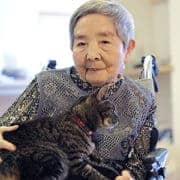
Pet Therapy is a favorite among residents and staff alike. A visit from a trained dog, cat, or even guinea pig can bring a smile to anyone’s face. Residents who feel lonely or may have difficulty verbalizing or communicating can find affection and love in a furry friend. The reduced expectation to engage verbally can lower anxiety levels in these kinds of social situations. Additionally, the texture of the animal’s coat can be tactilely pleasing and the appearance can elicit the “cute response,” an instinctive desire to nurture based on certain physical features.  

If the resident is ambulatory, having them walk a dog (with supervision) can also provide a sense of purpose and satisfaction.

Music & Dance

Music is another excellent way to promote social interaction. It’s a way for people to come together and enjoy each other’s company without the pressure of having to verbalize or completely engage in direct interactions.

As we discussed in a previous blog feature on Glen Campbell, music has an almost magical way of revitalizing an individual and bringing them back to a different time and place. This is because music is processed in multiple areas of the brain. Even for those with late-stage dementia, it can still elicit a response from the areas of the brain that have not yet been affected (or affected as severely).

Especially with residents who were musicians or dancers by trade or hobby, music is so ingrained that they are often able to recall the lyrics, the moves, or how to play their favorite instrument.

The famous neurologist, Dr. Oliver Sacks and others have described how music can encourage memory, a faster recovery time, and the ability to regain speech (in certain circumstances) is accomplished quicker.

Everyone can enjoy music – whether you have ambulatory residents able to get up and dance, or even non-ambulatory residents who can just be there and listen or watch the others – it truly is a simple but meaningful social experience.

Art Therapy

Like music, art has a way of enhancing physical and cognitive connections and improving the emotional state of an individual. Even for residents experiencing memory loss, art has proven to strengthen or help sustain cognitive and memory function by necessitating the dexterity to manipulate whatever medium is used.

Residents with advanced memory loss still enjoy participating in art, and may even find it as a way to express themselves when other faculties are deteriorating. Some research has suggested that individuals participating in creative outlets are sometimes able to use it as a way to communicate and connect with their world, thus encouraging a sense of belonging and purpose. Art can be an intrinsically rewarding and confidence-boosting activity.

In the right environment, art therapy can be a relaxing social activity with cognitive and emotional benefits.

Workshops, Classes, & Other Activities

Engaging workshops or classes can also be an enjoyable part of the day or week. As mentioned before, art, music, and dance activities are always popular. Depending on the cognitive abilities and interests of the residents, setting up workshops or classes to learn or enjoy focused time on an activity.

Workshops on technology, such as using an iPad or notebook, a laptop, or smartphone are useful for the residents’ own entertainment or keeping connected with family and friends. Gardening brings much joy, nurturing a plant from seed to bloom. This can be an especially fun and rewarding way to access nature in an assisted living environment. Visits from local youth groups, schools, or other community organizations can bring a positive energy, socialization time, and a sense of companionship for elderly residents.

There are many options to engage residents in a meaningful and productive way. As always, be sure there is team and supervisor approval before introducing a resident to a new activity.

_____

Assisted Living Education is committed to improving a positive quality of life in assisted living through proper, relevant education and training. We specialize in RCFE certifications, online courses, and continuing education. For more information, explore our website, or visit our contact page to reach us directly.

Respiratory Issues with Age

On average, we reach our peak lung capacity between 20-25 years old. During this time, our lungs have a maximum limit of six liters. After the age of 35, our lung capacity decreases and as a result, our breathing rate slows and physical activity becomes more difficult. Even healthy individuals with no history of smoking tend to decrease their forced vital capacity by 0.2 liters per decade. While some loss of functionality is inevitable, there are things you can do to help your residents improve their respiratory health and ensure a higher quality of life.

Be sure to consult with the attending physician and/or other specialists before making any changes to a resident’s individual health care plan.

Respiratory Changes As We Age

As we age, changes in our body cause our bones and muscles to become weaker. Bones in our rib cage become thinner and change shape. The diaphragm is the large muscle in our chest responsible for moving air in and out of the lungs. As it gets weaker, our ability to inhale and exhale to full capacity decreases.

There are also changes at the tissue level within our lungs. Muscles that kept airways open lose their elasticity and can close. The alveoli are the small sacs responsible for exchanging oxygen and carbon dioxide with the bloodstream. With age they tend to lose their shape, decreasing the efficiency of the gas exchange.

Changes in brain chemistry may affect how efficiently our nervous system triggers actions in our lungs and chest muscles. This problem is exasperated by dementia or other mental illnesses. When signals aren’t sent as clearly to our lungs, we lose control and often experience delays in otherwise automatic processes. Systems responsible for triggering coughs become less effective. Foreign particles build up in the lungs and can cause further damage to already deteriorating tissue.

The Consequences of Poor Respiratory Health

Respiratory degradation is so common among seniors that the U.S. Centers for Disease Control and Prevention reports that nearly 15% of all middle-aged U.S. adults suffer from lung disorders such as asthma or chronic obstructive pulmonary disease (COPD).

In fact, lung-related illnesses are the third most common cause of death in this country. Pneumonia is one of the major causes of mortality among seniors over the age of 65. The illness can present with symptoms ranging from mild to severe and can be fatal. More people die every year from pneumonia than from automobile accidents.

Pneumonia can be contagious, but most seniors actually develop the illness independently. Bacteria is present in everyone’s throats and noses. Elderly can have difficulty clearing contaminants from their lungs with reduced body function discussed earlier. The result is the bacteria that causes pneumonia is able to proliferate far more easily in an elderly person. Pneumonia can lead to bacterial infections in the blood and fluid in the lungs.

Once infected, it is also harder for elderly to fight off complications caused by pneumonia due to their weakened immune systems. This is why it is so critical to encourage a healthy respiratory system in your residents to prevent an infection from taking hold.

Another form of pneumonia is aspiration pneumonia, which is also common in elderly seniors. This occurs when the epiglottis (the flap that covers the windpipe during swallowing) does not close properly. Food and other particles can make their way into the lungs, causing inflammation or even lower respiratory tract infection. Because residents often have a reduced ability to cough properly (dystussia, or cough impairment), this contributes to the severity of aspiration pneumonia.

In some cases, switching residents to a soft food diet can sometimes help reduce the risk of aspiration pneumonia. Additionally, ensuring that residents are always seated upright while eating is important to encourage proper swallowing function.

How to Promote Good Respiratory Health

Perhaps the number one way to promote good respiratory health is to help your residents maintain their body’s ability to protect itself. Consuming a proper diet full of protein, and nutrients is key to good overall health. It’s also a good idea to cut back on foods high in simple carbohydrates (processed sugars and white bread products). These foods raise our body’’ insulin levels, causing inflammation.

A decrease in exercise routine with age is common as the body doesn’t function as well or as easily as before. However, in these golden years, it’s more important than ever to incorporate regular cardiovascular exercise into our daily lives to fight back against respiratory degradation. Encouraging  residents who are able to engage in daily cardiovascular exercise is critical to ensuring they maintain a healthy lung capacity and foster a higher quality of life. Even simple or modified routines for those who are not as ambulatory can help keep their bodies active and deterring muscle or other atrophy from setting in.

Avoid Toxins and Environmental Pollutants

Cigarette smoke is the primary cause of lung cancer. If you have residents who smoke, be sure a plan is in place to help them curb their habits and eventually quit. Cigar smoke and chewing tobacco are also dangerous; the chemicals in these products are known carcinogens and cause inflammation and swelling in the lungs, as well as increasing the risk for oral and throat cancers.

Maintaining a clean environment for your residents is vital to preventing many respiratory infections. Air pollution can irritate lungs and leave seniors susceptible to illness. Ensure that your residents have clean, dust-free environments to sleep in. Be conscious of water damage around your property and report any areas that could be at risk for developing mold. Residents and others will benefit from a no-smoking guest policy to avoid exposure to the contaminants in second-hand smoke. Washing or frequent changes of work clothes, as well as hand-washing or using gloves can help prevent the spread of germs.

________________________________________________________________
At Assisted Living Education, our number one priority is providing the highest quality education and educational resources for those who care for our senior population. We offer RCFE courses & certification, as well as online courses and continuing education. We believe that experience is critical to success, which is why we only employ instructors with extensive experience in the industry and have a reputation for creating engaging and real-world learning environments. Explore our website, or visit our contact page to learn more!

Spending Memorial Day with Seniors and Veteran Residents

Consider making Memorial Day an extra special holiday for your residents. Some may have been around during WWI; many of them may have lived through, or even  served in, the second World War and probably have lost friends, relatives, or loved ones over the years from those or other wars, or another form of military service involvement.

Patriotic holidays and events were most likely more recognized and celebrated in their youth more than in most places today. Making the effort to recognize this occasion as more than just the start of summer will mean a lot to the residents and their families.

Assisted Living Education discusses several ways to make Memorial Day and other patriotic holidays a genuinely special occasion for your residents.

Planning a Memorial Day BBQ or Picnic

Barbeques and picnics are signature events for this holiday, and hosting one for your residents and their families is a great way to celebrate. For residents whose families are involved and active with their care, ask for their support in helping any veteran residents with their formal military wear, if the resident is willing and able to wear it.

Invite a local representative to speak or share a few thoughts, and include a moment of silence for those who have passed serving our country. This representative could even be a family member of one of the residents who might enjoy stories they’ve heard over the years from their relative.

If hosting outdoors, be sure to provide lots of shade and consider the necessary precautions for having the residents outside for longer periods of time (e.g., sunscreen, hydration, sun-friendly clothing/cover up, etc.).

While barbeque food can be available, please remember your residents’ physical and dietary needs that may require food modifications or substitutions.

Patriotic Music & Decor

Senior and other veterans alike may enjoy hearing the music from their branch of military service. Incorporate these songs along with other patriotic and appropriate party music to help set the mood for this memorable holiday. Music from the elders’ generations will also be appreciated and brighten their spirits.

Music from the Different Military Branches

Army – The Army Goes Rolling Along

Navy – Anchors Aweigh

Air Force – Off We Go (aka “U.S. Air Force”)

Marines – The Halls of Montezuma (“The Marines’ Hymn”)

Coast Guard Semper Paratus

If possible, try to obtain a flag representing each branch of the military, or at least one from all the branches in which your residents have served.

Watch a Memorial Day Parade or Service

Many of your residents might enjoy a special outing in honor of Memorial Day. Check to see if there is a local parade that would be feasible to coordinate transportation for the residents.

Typically, a nationally broadcast service or parade is also available, which can be played on the TV in the main room for veteran or other residents to enjoy watching, if transportation and staff coverage are too difficult to coordinate for a community outing.

Invite the Community

Many community groups, especially youth-oriented ones, are happy to be involved in serving and honoring senior citizens and service men and women on special occasions. Coordinating with one or more of these groups can add to the festivities and make the celebrations even more memorable.

Schools, Boy Scouts, Girl Scouts, church youth groups/choirs or other organizations could assist in a range of activities, from making and putting up decorations, to singing or performing patriotic music, or just spending time engaging with the residents who may not have family or regular visitors to see them.

Remember to Keep it Simple and Keep it Brief

While we want to ensure these celebrations are special and meaningful, it is most important to put the residents’ needs first. This means considering their tolerance and endurance levels for all activities as well.

Even if well-prepared for, changes in regular routine can be difficult for residents. Additionally, the extra activities can take a toll and be more exhausting for them and the staff as well. Some residents may even become irritable or experience a meltdown during or after the event because they may be fatigued. Though the celebration should be positive and enjoyed by many, it can still be considered an added ‘stress’ for the elderly body.

For the following day or two after, expect residents to be a little more tired than usual. The elderly body often takes longer to recover from extra activities or situations with added ‘stress’. However, like any other time, if the resident is experiencing a dramatic change in behavior or disposition, be sure to inform the attending physician and see to it that they are closely monitored. First and foremost, follow your facility’s guidelines when dealing with emergency health concerns.

Keeping the event simple, brief, but still classy should help alleviate some of these situations. Additionally, no resident should be forced to participate if they or their family does not want to.

Assisted Living Education

Assisted Living Education is a proud provider of assisted living services to the senior community. We offer courses and certification for RCFE training, continuing education units, and other online coursework. We can even provide consultations to your facility concerning compliance, specialized topics training (dementia/Alzheimer’s, medications, and more), and our founder, Jane Van Dyke-Perez is an engaging speaker who has been featured at prominent conferences across the country.

Explore our website, or visit our contact page for more information!

The Importance of Sleep

As most people know, sleep is incredibly important for maintaining good health and quality of life. Our brain forms new pathways to store information efficiently while we sleep. Without enough of it, our ability to make decisions, control our emotions, and deal with change declines. Sleep is so vital to our mental health that sleep deficiency is believed to be a factor in depression and suicide.

Sleep is also important for our physical health. Our bodies’ defenses against disease and injury depend on us having enough rest. Studies show that people who are sleep-deprived struggle to fight common infections as effectively as their well-rested counterparts. There’s also evidence that sleep is critical to repairing your heart and blood vessels and when we regularly miss out on sleep our risk for kidney disease, heart disease, high blood pressure, diabetes, and stroke all go up.

Considering that the above factors are based on research for healthy, middle-aged adults, you can imagine that the body becomes even more sensitive to sleep deficiencies as it ages.

Assisted Living Education discusses how sleep patterns change as we grow older and what remedies can be useful to our residents who experience sleep difficulties.

How Sleep Changes as We Age

Because of the critical importance to both our mental and physical well-being that sleep plays, it’s vital to understand how our sleep patterns change as we age in order to recognize when your senior residents are becoming sleep deprived and how to fix it. In general, people report that they have a harder time falling asleep the older they get. They also wake more in the middle of the night and earlier in the morning.

The amount of sleep your residents require likely won’t change. However, because of the challenges associated with falling asleep, it is likely they will spend more time in bed to get the minimum seven hours of sleep required.

Seniors also tend to report waking up easier, which can be very disruptive to a healthy sleep cycle. On average, people over the age of 60 report three or four awakenings each night. As we age, we don’t get as much “deep sleep” as we used to. It’s also common for residents to wake up more due to frequent urination or discomfort from chronic illnesses. One of the most important things you can do for your residents’ health is to make sure they have a peaceful and quiet environment to rest in at night.

Insomnia’s Effect on Dementia

Researchers at the Johns Hopkins Bloomberg School of Public Health found that older adults who reported poorer sleep quality had higher levels of beta-amyloid protein which is a biomarker for Alzheimer’s. There isn’t conclusive evidence that sleeplessness causes the disease, however it can exasperate symptoms in those who already have the condition.

One of the more common conditions associated with Alzheimer’s or any other form of dementia is a state called sundowning. Sundowning is a sharp decrease in cognitive function in the late afternoon and evening in adults with dementia. Factors that may contribute to sundowning include:

  • Physical and mental exhaustion at the end of the day
  • Poor lighting can cause individuals with dementia to misperceive information and become fearful.
  • Having an out of sync circadian rhythm (the internal clock that tells us when to go to sleep and when to wake up) throws off the body’s sense of night and day
  • An inability to separate what’s real from what’s a dream
  • Inconsistent sleep schedules

Sundowning can be a very stressful and scary experience for both residents and their caregivers. Residents that suffer from this condition become more agitated, paranoid, delirious and in some cases, physically aggressive. Ensuring your residents with dementia receive adequate, consistent and high-quality sleep is helpful in lessening the intensity of some symptoms:

  • A glass of warm milk increases sleepiness because it contains a natural, sedative-like amino acid. Camomile tea can also help if the resident is lactose-intolerant.
  • Avoid giving your residents stimulants such as caffeine after lunch.
  • Keep residents active or engaged throughout the day. Avoid letting your residents nap during the day, which can encourage an irregular sleep schedule and cause difficulty falling asleep at night.
  • Provide residents with opportunities to participate in activities or get moderate exercise in the afternoon.
  • Avoid electronic stimulation too close to bedtime, such as TV shows, or movies.
  • Encourage your residents to practice relaxation techniques at bedtime.
  • Try to have your residents go to bed at the same time every night and wake up at the same time each morning.
  • If possible, avoid letting residents spend extended periods of time in bed outside of sleep.

Sleep Aids

Sleep aids can be considered as a last resort if the resident continues experiencing difficulty falling or staying asleep. Because seniors respond differently to medicines than younger adults, it is important to consult the attending physician before implementing a new routine or discuss options with the family, if they are involved. Due to the common side effects of sleep remedies, experts recommend that seniors avoid them if possible and never use them for extended periods as these drugs often carry a risk of dependence.

Melatonin is a sleep supplement that has grown in popularity in recent years. This hormone plays an essential role in regulating the body’s circadian rhythm. Our bodies produce less melatonin as we age which is another reason older adults tend to suffer from insomnia. There are limited studies on the effectiveness of consuming melatonin supplements to treat chronic sleeplessness, but there are known risks when taken with other medications. Keep in mind, melatonin is produced and most effective in a room that is dark. Avoid leaving unnecessary lights on, which can negate its efficacy. Additionally, while a sleep aid can be effective throughout the night, a good match should not leave the resident overly groggy in the morning or throughout the day.

The attending physician will be able to review and weigh the benefits/risks for the individual resident.

The Takeaway

If a resident cannot fall asleep after 20 minutes, advise them to get out of bed, if ambulatory, and move to a chair to do a quiet activity, such as reading or listening to music until they feel tired, then try again. Extended periods of time spent in bed, while awake, can condition the brain to stop thinking of the bed as a place exclusively for rest. The most important thing to remember is that your residents benefit most from consistency. Going to bed at the same time every night and waking up at the same time every morning is the surest way to build healthy, long-term sleep habits.

__________________________________________________

Assisted Living Education’s Promise

Assisted Living Education is committed to providing the highest quality education for those considering careers in senior care. We offer RCFE courses & certification, as well as online courses and continuing education. To ensure our students receive training based in research and extensive practice, we carefully select instructors with years of real-world experience in the industry; teachers with a reputation for their passion and their ability to make the classwork engaging. Explore our website or contact us to learn more.

Assisted Living Education Special Feature: Glen Campbell, Music & the Alzheimer’s Condition

On March 20th, 2017, Kim Campbell announced that her beloved and famous husband, Glen Campbell could no longer play guitar due to his advancing Alzheimer’s condition.

Glen Campbell revealed his early-stage AD diagnosis at 75 years in 2011 at the same time his last work, Ghost on Canvas was released. He launched a world “Goodbye Tour” serving as his finale to live performance. Live shows a few years before his diagnosis were “train wrecks” according to his daughter, Ashley. She joined her father along with her two brothers to make up his band for the Goodbye Tour. With the knowledge of his AD diagnosis, his fans welcomed him enthusiastically at sold-out shows for this final farewell. They cheered him compassionately even as certain moments on stage made it clear that AD was overtaking the Rhinestone Cowboy with its classic symptoms of confusion, memory lapses, and disorientation.

Documented conversations and interactions seen in I’ll Be Me revealed a mix of Glen Campbell’s usual wit plus non sequitur sentences or behaviors characteristic of AD. Still, music and live performance seemed to be Campbell’s compass, orienting him back to the talent and persona everyone knew and loved.

Through Glen Campbell’s open story, Assisted Living Education discusses the unique challenges seen with individuals and families dealing with dementia diseases like Alzheimer’s. We also discuss how music can reach people and seemingly revive their memories and cognition, even if just for a brief time.

Alzheimer’s: The Silent Thief

Glen Campbell’s Alzheimer’s journey can be eye-opening to some, but is painfully familiar to those with experience in dementia conditions. The 2014 documentary “Glen Campbell: I’ll Be Me” presents a glimpse into how Campbell’s family dealt and interacted with him on his final tour. It also reveals the everyday struggles with this debilitating disease, which can elicit anger, frustration, and depression in the individual, punctuated with moments of surprising wit and clarity. For families and friends, it is a disease that deeply affects more than just the one diagnosed.

The certain prognosis for dementia conditions such as Alzheimer’s Disease (AD) is a significant, cognitive decline eventually leading to waning physical abilities as well. This degenerative condition unravels years of solidly ingrained skills, knowledge, capabilities, language, and even motor skills that many of us take for granted. AD and other dementia conditions are unforgiving, dragging everyone down a heartbreaking path as the individual succumbs to the detriments of the disease.

Fortunately, music can offer a surprising reprieve, which Glen Campbell’s story highlights. In the early to mid-stages of the disease, though day-to-day functioning can be challenging, music has a unique way of speaking to the mind and bringing the individual back to their element. Glen, his family, and his fans were able to enjoy Glen Campbell as Glen Campbell when the music flowed, and his charming voice filled the air.

How is Music Able to ‘Wake Up’ the Brain?

Many people working with dementia or Alzheimer’s residents know that music can work as an amazing time warp. It can take the individual back to a time and place where they are cognizant again, with astounding precision matching a beat, singing, or even playing along to the music. This is what Glen Campbell’s family and many of his fans witnessed, even as his AD progressed.

One of Glen Campbell’s doctors had referred to these abilities as ‘overlearned skills’, but also apply to other memories as well. These skills, abilities, or memories were so well mastered or left such an impression that they were ‘recorded’ in more than one area of the brain. Because of this, the individual may be able to recall certain memories or skills if the disease has not affected the other areas of the brain that information was stored in.

In fact, Glen’s doctor encouraged him to keep playing and singing, with the idea that keeping the brain engaged with these skills would help prolong the positive effects and strengthen the remaining neural circuits. The brain is often compared to a muscle; keeping it active and engaged helps it remain strong and operational. Lack of stimulation leads to neural atrophy, further advancing degeneration and decline.

During breaks in his “Goodbye Tour,” Campbell would attend physical or occupational therapy as well as other doctors’ visits to check in on his condition; some of these visits were featured in I’ll Be Me. One of his neurologists commented that while he noticed a decline in Glen’s memory, he was impressed with his ability to perform and communicate. Disorientation issues Glen had the year prior seemed to resolve itself, according to his wife, Kim. The neurologist noted that the key to preserving much of Glen’s intellectual ability was due to indulging in the activities Glen loves so dearly: music and performance.

“It’s just something that’s in your system. That’s… I really don’t know what it is. I wish – I wish I knew.”
Glen Campbell, I’ll Be Me

It is now three years since I’ll Be Me was made. Glen Campbell was moved to a long-term care facility in 2014, but returned home in 2015. In 2016, Campbell became a resident at a Nashville memory care facility as he takes on the final stages of Alzheimer’s Disease. At that point, aphasia, the inability to understand or express speech, had settled in. Campbell could no longer communicate or understand words, but his family says his disposition remained content and cheery.

When Kim released the news that Glen could no longer play guitar, she shared that he still enjoys playing ‘air guitar’ and singing, but the music he makes now is unrecognizable to others. She did add that whatever tune he was singing seemed like a happy one.

Making Glen Campbell’s diagnosis public helped Glen prolong his abilities, but also helps others who are faced with the challenges of AD or dementia. Glen and his family have become advocates for Alzheimer’s awareness and demonstrated that this disease has no discretion for race, class, or status. Though heartbreaking to watch, Glen Campbell’s journey can help families and others better understand what can happen to a person afflicted with Alzheimer’s or dementia.

_______________________

Assisted Living Education is a premier provider of education, continuing education, and certifications for the assisted living community. Our compassionate team is dedicated to providing a quality experience, with instructors possessing extensive, real-world and research-based knowledge in their respective fields. Learn more about RCFE certifications, online coursework, and continuing education units, or visit our contact page to reach us directly.


Communicating With Residents Suffering From Hearing Loss

Caring for elderly residents is a rewarding career path, but it comes with many challenges. One common source of confusion and frustration can happen when trying to speak with residents that are hard of hearing. It’s important to be patient and flexible in these situations and to understand the specifics of their condition and treatment. That way you can customize your communication style based on their needs and limitations and, as always, address concerns with the attending physician or specialist before making changes to a resident’s individual health care plan.

Causes of Hearing Loss

One of the most common forms of hearing degradation in the elderly is a condition known as presbycusis. This just refers to the age-related loss of hearing that gradually occurs as people get older. It is unknown why presbycusis affects some individuals more than others, but research suggests a genetic component.

Noise-induced hearing loss is the condition where hearing worsens from repeated exposure to excessively loud noises. People who work in jobs with constant loud noises tend to suffer from hearing problems much earlier than is normal. Those jobs include construction workers, farmers, musicians, airport workers, yard and tree care workers, and individuals in the armed forces.

Viral or bacterial infections, heart conditions, head injuries, tumors, and certain medicines can sometimes lead to hearing loss. The severity, treatment, and type of hearing loss that someone suffers from are different with each case. There are some types of hearing loss that affects a particular range of sounds which might make it harder for an individual to hear rings or whistles, but doesn’t affect how they hear human speech.

Electronic Aides

Hearing aids are probably the most popular treatment for hearing loss. However, there are quite a few misconceptions about the devices that should be clarified. Hearing aids intake sound through a microphone, amplifies the noise, and plays it through a speaker in the wearer’s ear. Hearing aids don’t increase all sounds equally and often need to be adjusted by an audiologist based on feedback from the individual.

Unlike a hearing aid, a cochlear implant is a small device surgically implanted in the inner ear. This treatment method is for individuals with a severe hearing disability. These devices are similar in their effectiveness and limitations as hearing aids, and the same guidance can be applied when working with residents that have them.

When considering a resident for a cochlear implant, the positive and negative consequences should be heavily weighed before moving forward. Surgical procedures can have greater effects on the elderly individual. Changes in the body’s metabolism can prolong the effects of anaesthesia, magnify potential reactions to pain medications during the healing process, and potentially increase recovery time from the general stress of the surgery on the body.

Even so, sounds can get muddled and garbled together through either device, similar to having a call on speaker phone. Be aware that some residents with electronic device assistance still struggle with normal conversation volume, while others could have the sensitivity turned up and be annoyed by shouting. If you’re unsure, be direct with the resident and confirm they’re comfortable with the manner you speak.

Customized Solutions

If your residents continue to struggle with everyday tasks, there are assistive listening devices that can help. Some apps and devices exist for telephones, cell phones, tablets, TVs and other electronic devices to increase the volume beyond what the standard functions would allow. Headphones may be an option, too, to direct the sound to their ears and also cause less of a disturbance with other residents.

Places of worship, theaters, and cinemas often offer wirelessly transmitting audio devices that provide a clearer sound to those in need. Another increasingly popular device is an induction coil loop which allows for the event to be broadcast directly to the viewers hearing aid or cochlear implant. If you are planning outings or events on the premises for your residents, consider coordinating in advance to ensure these devices will be made available.

Sign Language and Lip Reading

If one of your residents is dependent on sign language for communication, it’s recommended you learn a few key phrases. This gesture will go a long way in alleviating stress from your resident’s life and will take a lot of frustration out of the day to day interactions. There are many online resources available for teaching the basics.

Individuals with hearing impairments often learn to read lips to understand conversations better. With practice, it’s possible to gauge a great deal based on lip movement and body language. When used in conjunction with hearing devices or sign language it can make communication much more seamless. Be aware whether or not a resident uses this technique; further, be aware of your own body language and the tone/attitude you are conveying. You can go a long way towards assisting them by ensuring you face them, have a relaxed or open body posture (indicating a welcoming or neutral attitude) and enunciating your words.

Residents With Reduced Cognitive Abilities

Hearing loss is just one barrier to communicating with your residents. Combine this with reduced cognitive function due to dementia or other health issues, and the challenge is compounded significantly.

Still, dealing with a resident affected by dementia and hearing loss can be similar to dealing with a resident possessing no cognitive impairment.  Approach them gently and use their name to address them verbally. If they don’t hear you, gently place your hand on their shoulder or arm to get their attention. Make sure they are looking directly at your face when communicating. Speak in simple sentences, again, enunciating clearly and at a voice level above normal, but not shouting. Simple gestures can also help convey a message, e.g., making motions that mimic eating then pointing at them, as if to ask, “Do you want food? Are you hungry?”

In fact, research suggests that hearing loss is a contributing factor to dementia and Alzheimer’s. The earlier an individual receives treatment for hearing loss, the more they reduce their risk of developing dementia later in life.

The Ultimate Goal

If you need to communicate to a group of residents at once, make sure you’re aware of their limitations and take the time to address those who struggle the most, individually and in a respectful manner. Often those with hearing troubles will feel embarrassment or shame and not ask for clarification. They may feel as if they’re drawing attention to themselves or feel like a nuisance. Go out of your way to make sure everyone is treated well based on their needs.

The bottom line is to ensure you’re direct and open with residents about their hearing requirements. Treat them with respect and practice patience when misunderstandings happen. Ask them about their communication preferences. They will more than likely appreciate your honest interest in their well-being.

Assisted Living Education’s Promise

At Assisted Living Education, our number one priority is providing the highest quality education and educational resources for those who care for our senior population. We offer RCFE courses & certification, as well as online courses and continuing education. We believe that experience is critical to success, which is why we only employ instructors with extensive experience in the industry and have a reputation for creating engaging and real-world learning environments. Explore our website, or visit our contact page to learn more!


Elderly Residents and their Nutritional Needs

As we age, our body’s nutritional requirements change. One of our goals in caring for elderly residents is ensuring a higher quality of life by minimizing potential health problems before they arise. Though the attending dietician is responsible for creating a dietary plan for each individual, it is still important for others involved in the direct care of our residents to be cognizant of the basic nutritional requirements that increase with aging.

Assisted Living Education discusses how the nutritional requirements of our body change as we age.

Nutritional Absorption

The aging process diminishes our bodies’ ability to absorb various nutrients. The body secretes less hydrochloric acid which reduces our ability to break down food and acquire the same amount of nutrients that a younger body can. Additionally, hormonal changes may result in more nutrients, such as calcium, being excreted through the kidneys. Because of these changes, vitamin deficiencies can be common among residents. Side effects of nutritional deficiencies include cognitive impairment, anemia, muscle loss, heightened susceptibility to infections, insomnia, and a weakening of the immune system.

To prevent these problems and alleviate others, it’s especially important that the senior diet is rich in the following nutrients.

Calcium

Calcium is one of the primary nutrients our bodies require in increasing amounts as we age. Unfortunately, some individuals may become lactose intolerant as a natural part of the aging process. As dairy products become harder to digest, your residents may eat less of them. It’s generally recommended that adults over the age of 50 increase their daily calcium intake from 1000 mg to 1200 mg. Incorporating non-dairy foods rich in calcium is one way to supplement this nutrient. Broccoli, kale, edamame, oranges, salmon, white beans, tofu, and almonds are all great sources.

Vitamin D

Because calcium is such a vital nutrient to bone and overall body health, Vitamin D intake is also important as it helps our bodies absorb calcium. Conditions such as osteoporosis and rheumatoid arthritis are common results of Vitamin D or calcium deficiencies. Egg yolks, cheese, mushrooms and fatty fish such as salmon or tuna are good sources of naturally-occurring vitamin D. Additionally, many foods these days are fortified with it Vitamin D:  cereals, milk, some yogurts, and juices. For residents up to age 70, a daily intake of 15 mcg is recommended. An increase to 20 mcg is recommended for individuals over 70.

Iron

Iron is a required nutrient for our body to create hemoglobin, the protein cells that carry oxygen through your blood. The average woman over  age 50 should consume 50 mg of iron a day whereas the average man only needs 10 mg. Unfortunately, most foods contain very little iron. The best source is red meat, but some residents might have dietary restrictions limiting their red meat intake due to cholesterol and high blood pressure concerns. Incorporating poultry and fish are good substitutes for red meat. Fish such as halibut, salmon, and tuna are all excellent sources of iron. Non-meat options include lima beans, red kidney beans, chickpeas, apricots, broccoli, spinach, and baked potatoes. Brown rice, enriched bread and cereals, or those made with whole grains are good options as well.

To improve our body’s ability to absorb iron, it’s important to limit the amount of caffeine your residents consume.

Fiber

Constipation and other intestinal problems are more common in the elderly due to reduced intestinal contractions; this is often caused by inactive lifestyles and diets low in fiber. A diet high in fiber stimulates intestinal motility and prevents constipation. Some studies also suggest that dietary fiber can lower cholesterol levels and regulate blood-glucose levels. It is recommended that total fiber intake for adults older than 50 should be at least 30 grams per day for men and 21 grams for women. Insoluble fiber absorbs water, so make sure residents stay hydrated to avoid compounding existing intestinal problems. Insoluble and soluble fiber can be found in most whole grains, vegetables, fruits, and legumes. Multi-grain bread, spinach, brown rice, celery, broccoli, apples, carrots, pears, zucchini, baked potatoes (with the skin), chickpeas, almonds, pecans, lentils, beans, and even popcorn are great sources of dietary fiber.

Magnesium

A proper supply of magnesium is important for a wide range of reasons. Magnesium plays a vital role in good heart health, bone density, and keeping immune systems  top notch. In fact, magnesium is a critical component of over 300 physiological functions. As we age, our body’s ability to absorb this all-important nutrient decreases. In general, seniors tend to consume less of it as their ability to cook and prepare their own foods decreases. Much of the essential nutrients have already been stripped away if the food is consumed in processed form. A diet rich in fresh fruits and vegetables, nuts, whole grains, beans, and seeds can help maintain adequate magnesium levels. On average, men over the age of 50 are advised to consume 420 mg of magnesium a day, and women are advised to consume 320 mg.

Vitamin B12

Between 10%-15% of seniors over the age of 60 have some degree of  B12 deficiency. Because of its vital function in maintaining the health of our blood cells and nervous system, the first sign of a Vitamin B12 deficiency is fatigue and muscle weakness. If a resident appears to be more tired than usual in the afternoon or seems weaker than normal, they might need a supplement to their diet such as B12. Other signs can include diarrhea, depression, mouth sourness, and tingling in the hands and feet. The recommended intake for individuals over the age of 50 is 2.4 mcg of vitamin B12 per day. B12 is a vitamin found naturally in animal products and is especially high in beef liver, mackerel, sardines, salmon, red meat and dairy products. Vegan and vegetarian residents may require B12 supplements or other foods fortified with B12.

Consult the Team First

Any kind of change to a resident’s individual health care plan should receive the approval of the attending physician, dietician, and/or the rest of the team prior to implementation. However, any observations in behavioral or physical changes are crucial and should be noted to help the entire team make informed decisions about the resident’s overall health care plan.

—————————–

Assisted Living Education is committed to providing the most up-to-date information possible. Our passion for helping caregivers enrich the lives of their residents is what led us to become a premier source for education, resources, and certifications in the industry. Explore our website, or reach out to us via our contact page with any questions you might have on RCFE certification, our online courses, or other assisted living-related services.


Foot Care & Issues For Senior Residents

Despite many of us relying on our feet to get around, it is often one of the more neglected areas of body care. Unless an acute problem arises, we tend to ignore or push through minor aches and pains that may develop as we age. However, years of these minor inconveniences can turn into big problems. Some of these you may encounter with your assisted living residents, whether or not they are ambulatory.

Assisted Living Education (ALE) discusses common causes and problems of foot issues experienced in elderly residents.

Common Problems in Elderly Feet

Aches & Pains – Our bodies naturally incur more wear and tear as we age, especially if we’ve been active in our youth. Our cushy, youthful soles wear thin as fat and collagen begin to degenerate in the body. This is why we start noticing more aches and pains as we hit middle age.

Arthritis – Osteoarthritis (OA) and rheumatoid arthritis (RA) are common diagnoses in elderly residents and can make mobility difficult with painful joints. This could ultimately impact their mental health and well-being as they may withdraw from activities and exercise to avoid the pain.

Bunions, Corns, Spurs, Hammertoes – Most of these are caused by poor-fitting or non-supportive shoes and can become painful. The next section discusses the importance of a well-fitting shoe.

Secondary Conditions Some individuals develop other problems due to the body compensating for the initial ailment. Hip and knee problems are common secondary issues to walking on painful feet. Our natural reaction to walking on aching feet is to shift our weight/load to give relief to the sore spot. However, this throws your natural bone and joint alignment off, especially over long periods of time.

Ill-Fitting Shoes

Residents who have a long history of wearing heels or other shoes that were ill-fitting are likely to have foot problems in their senior years. Make sure their current pair of shoes are comfortable, the correct size, and provide proper support if necessary. Even if the resident does not walk around much or is not ambulatory, it is still important that whatever they wear is best suited for their body. A poor-fitting or too-tight shoe on a non-ambulatory person will still cause irritation and problems down the line, especially if blood flow is already reduced to the extremities.

Additionally, ill-fitting shoes can increase the risk of falls in the elderly. Though there are a lot of things to consider in shoes for the elderly, finding that Goldilocks or Cinderella fit (i.e., “just right”) is essential for their foot health.

Be careful of:

  • Too flexible or worn-out shoes: These shoes will not provide enough support or stability
  • Too tall shoes: Extra height can cause instability and increase the chances of a fall
  • Heavy shoes: Extra weight or bulk can be cumbersome and also increase the chance of a fall or injury.
  • Worn tread or heavy tread: No tread can increase the chance of slipping, while too much tread can catch on a surface and cause an individual to trip.

Podiatrist or Pedicurist?

Because elderly foot health can be compromised in a variety of ways, it’s best to consult with a podiatrist or even the attending physician first before a regular visit to the nail salon.

While the exfoliation and foot soaks at regular nail salons are very relaxing for most of us, it could exacerbate health conditions for elderly residents. Elderly skin is not as resilient as it once was, and the scrubbing could be too abrasive. Additionally, individuals with diabetes, circulatory issues, or other conditions that weaken the immune system could be susceptible to infections if they happen to visit a salon that is less meticulous with the cleaning of their facility, tools, or equipment.

A podiatrist can properly care for ingrown toenails, excess nail growths, and are and skilled in caring for individuals on blood-thinners.

Tips for Healthy Foot Maintenance

There are some basic, everyday things you can do as you visit your residents that will help in overall foot and general healthcare. Even if you are not involved in the direct care of the resident, your observations and rapport can help in detecting problems that the resident may neglect or not know how to express.

Take Note of New Developments

Notice your resident stepping more gingerly or favoring one side? Make note of this and similar observations and bring it to the attention of the attending physician. Even if it seems inconsequential or the resident tries to brush it off, detecting any physical or behavioral change at its earliest can help tremendously in preventing bigger problems down the line.

Basic Foot Care

Those involved with the daily care of the residents should keep an eye on nail lengths for both fingers and toes. Keeping toenails regularly trimmed can help with ingrown nail problems, as well as prevent any pain, irritation, or further problems due to impeding a proper shoe fit. Make sure the resident’s skin and feet are well-moisturized to prevent dryness or cracking which, if left untreated, can lead to discomfort and greater potential for infection.

Keep Warm

Thick socks or bedtime socks are good for the cooler months of the year. Many residents suffer poor circulatory problems due to diabetes or other conditions. Ensuring they are warm encourages blood vessel dilation and helps with oxygen & nutrient flow to the extremities.

Caveats:

  • Make sure the resident is warm and comfortable, but not overheating. Overheating can cause a different array of problems.
  • Be sure to check whether their shoes can accommodate thicker socks; cramping their foot will defeat the purpose.


If your residents have friends or family who regularly visit, help keep them educated and informed of what they can do to help. Be sure to consult with your supervisor first to ensure HIPAA compliance.

_____________

Assisted Living Education is committed to offering the best quality training and services for serving the elderly community. Our classroom and online courses provide invaluable education and skills from instructors with extensive of field experience. Explore our courses on RCFE certification, continuing education, and more! Visit our contact page to reach us directly.

Talking to Residents with Dementia / Alzheimer’s

In our previous blog, Assisted Living Education addressed how to effectively interact with elderly residents. In this blog, we discuss specifically how to better interact with residents diagnosed or presenting symptoms of dementia or Alzheimer’s.

Although the Journal of American Medical Association (JAMA) reports that overall incidence of dementia has declined from 11.6% in 2008 to 8.8% in 2012, it is still one of the most common conditions we see in assisted living. This is largely because people with the condition can no longer live independently, and it can be quite demanding to care for someone with dementia/Alzheimer’s at home, especially if they have dual or multiple illness diagnoses.

Since people with dementia can have a delicate cognitive or behavioral disposition, here are some useful strategies in aiding interactions with residents who may have dementia or Alzheimer’s.

Help Guide the Interaction

Because dementia can leave residents with cognitive deficits, make sure the resident is focused on you when interacting with them, and vice versa. You may want to gently place a hand on their shoulder or arm and look directly at their face while speaking their name in order to ensure you have their full attention. Maintain eye contact, again, so you know they are focused on you. Avoid giving instructions or chatting in places with ambient or sharp noises, as those can be distracting and confusing for the resident.

Our previous blog, Respect Your Elders: How to Effectively Interact With an Elderly Resident also provides some great generic tips as well.

Managing and De-escalating Outbursts

Much of a resident’s executive cognitive functioning is lost to dementia as the condition progresses. This includes losing capabilities such as extended thought processes and coping skills. Their mood and disposition may change because their coping mechanisms and thought processes have deteriorated, in addition to an increase in confusion.

Delusions, Paranoia, & Hallucinations

Some residents with dementia may have delusions and paranoia as well. When a person with an average mind cannot entirely remember something, their mind attempts to fill in the gaps with information. In individuals with dementia, this is especially true, although the information filled in is often grossly incorrect, even though it might make sense to them. Sometimes this can lead the resident to false conclusions, such as pairing the arrival of a staff member with the arrival of darkness (night time), and thinking that the staff member hides the sun, for example.

Sometimes in the later stages of the disease, residents may experience hallucinations. This is a result of the changes occurring in the deteriorating brain. More often, hallucinations are seen in residents with Dementia with Lewy Bodies or even Parkinson’s Dementia, but also those with Alzheimer’s as well.

Be sure to distinguish between a hallucination and a delusion: A hallucination is seeing or hearing something that is not actually occurring, and a delusion is a false belief usually derived from paranoia or suspicious feelings.

Further, be careful to distinguish a hallucination from poor eyesight. Poor eyesight can make the resident think they are seeing something, and with decreased cognitive capacity, they may not be able to deduce that what they think they are seeing is incorrect. For example, strange shadows may appear to be a monster or creature, and a shiny floor could appear wet. Make sure the resident’s eyesight has been checked recently, schedule them for an appointment, or make sure they are wearing the proper lenses before assuming they are hallucinating.

Useful Strategies & Phrases

It is pointless to argue or offer logical/lengthy explanations to a resident with dementia. They may no longer possess the cognitive capacity to understand or make sense of what you are saying. Instead, the following strategies and tips can help get through a challenging conversation.

Validate their Feelings and Provide Reassurance

It is helpful to validate their feelings and keep things simple. Be compassionate and build that trust with them; this can help keep things calmer and de-escalate a situation. If they are upset over a lost item, offer to help them find it. Avoid negativity on your side of the conversation; keep it neutral or positive. Instead of, “Don’t you remember? You always keep it in your drawer!” or “Why do you always lose things?” try encouraging and reassuring statements, “Let’s have a look in your drawer,” or, “I’m sure it’ll turn up, let’s just have a look around.” If there are items that seem to be misplaced frequently, it might be wise to keep a spare on hand, just in case.

Additionally, if accusations arise and are directed against you, don’t take it or make it personal. The resident is often caught up and reacting to their present upset state and might direct emotions at you simply because you are there, or you’re someone they see frequently.

Divert their Attention

Some situations may benefit from a diversion. For example, if a resident begins saying or doing inappropriate things, instead of chastising them, a better solution can be to divert their attention. Unlike the average person who can be taught or socialized to what is/is not appropriate language or behavior, these cognitive faculties have been altered beyond learning and understanding consequence. Impulse control has deteriorated. Try broaching a completely different topic, “Do you know who’s playing Super Bowl this year?” or, “Let’s get ready for lunch.”

This can also help in situations which are threatening to escalate, in an attempt to take their mind off the present problem. Engage them in an activity they enjoy, such as singing or dancing: “I heard my favorite song on the radio the other day…” but choose a song you know they’re familiar with so they can join in. Music and song are unique anomalies that seem to be spared from the grasp of dementia; it can bring back memories and musical skill ingrained in an individual.

Keep it Positive or Neutral

Nobody enjoys hearing, “Don’t do that!”, “Don’t go there!”, “Stop doing that!” or other negatively commanding phrases. Residents with dementia are no different. In fact, these kinds of phrases can frustrate and possibly agitate a resident and escalate into further problems.

Instead Of … Try…
“Don’t do that!” / “Stop!”“Let’s try this instead…”
“Don’t go there!”“Let’s go this way.”
“Relax, calm down!”“Let’s take a break.”
“That’s wrong!” / “No, not like that!”“Here, let me help you.”
“Hurry up!”Anticipate and verbalize the next step. “Do you need your shoes?”
“Don’t you remember? You put it away.”“I thought we put it in your drawer. Let’s check.”
“Remember? Like this.”“This is how we stretch before exercise.”

Use gentle reminders and keep your tone neutral and positive. Be specific when you can and use familiar words, but keep your phrases simple. Additionally, it can be useful to phrase things in a way that suggests working together, instead of you always having to help or do it for them. This can help an individual feel that they are not completely dependent, thus improving/maintaining their self-esteem and dignity.

Keep In Mind

These residents are adults and many of them were fully-functioning, independent people at one point in their lives. They may even have had an established or esteemed career and held highly respected positions, or they may have been masters at their trade or craft for years. Maybe they were the driving cornerstone of their family, and still are, but with fewer capabilities. Their newer, dementia-shrouded world is confusing, scary, and can be nonsensical. It is difficult at times for the resident (and others) to cope with this degenerative condition. Any anger or frustration may sometimes derive from not being used to this new dependence on others, or not being able to perform basic tasks as they used to in the past.

Make sure to keep that in mind and even help family members understand if they seem to have difficulty as well. First, consult with your supervisor or head of the facility to ensure that this conversation is permissible, or what specifically is allowed in conversation with family members, friends, or conservators of the resident.

Assisted Living Education is a premier provider for assisted living services, education, and educational resources. We offer RCFE courses & certification, as well as online courses and continuing education. Our instructors have extensive experience in the field and are known for making their classes highly engaging and practical. Explore our website, or visit our contact page to reach out to us personally!