Best Skin Care for Seniors Living in an RCFE

A commonly overlooked area of senior health is proper skin care. Skin is our first line of defense from toxins, bacteria, and injury. As we age, our skin becomes thinner and more susceptible to scratches, bruising, and infection. It is critical for longevity and high quality of life to treat our skin well, and not just for aesthetic purposes. For seniors, products that once worked might not have the same effect that they used to. This is why extra care and sustained attention must be paid to proper skin treatment.

The Risks of Poor Skin Care

In addition to being at heightened risk of contracting skin cancer, seniors are more likely to develop the following conditions without proper care:

Senile Purpura presents as purplish spots that appear most often on the arms and legs due to the thinness of the elder person’s skin and frailty of the capillaries and blood vessels.

Exfoliative Dermatitis is characterized by excessive peeling and shedding of skin. It is of particular concern in the elderly because the severe itching can lead to broken skin and subsequent infections.

Stasis Dermatitis is more common in elderly women than men and is characterized by dry, itchy skin.

To prevent skin infections, help your residents with the following tips and guidelines to promote overall skin health. Depending on the individual, you may need to assist them in practicing these routines. However, always check with the primary care physician or the resident’s dermatology specialist before making any changes to their medical, nutritional, or overall health care plan.

Hydration

In order to prevent or cure dry skin, it’s important to make sure each of your residents consume enough water and other fluids. Eight glasses of water per day is a standard recommendation. On hot days, be sure your residents take in  more to compensate for sweat loss. Also be mindful of environments with excessively dry air. Utilizing a humidifier can be helpful if air conditions are too dry. In addition, applying moisturizers, lotions, creams, or other beneficial ointments on a daily basis is important to keep skin healthy and reverse the effects of aging. Incorporating this as part of their daily routine, with the approval of the attending physician, can help keep residents’ skin strong and less likely to peel, crack, or dry out.

Enforce Safety Precautions

Sun protection should be one of the highest priorities to promote healthy skin. The sun’s rays make our skin age quicker; this effect is known by dermatologists as photoaging. Be sure to keep your residents out of direct sun exposure between 10 A.M. and 2 P.M. Keep them covered when outside; have them dressed in pants, a wide-brimmed hat, and long sleeves. Sunglasses help reduce fine lines around our eyes and even protect the eyes themselves. Utilize a broad spectrum sunscreen that offers a protection of SPF 30 (or higher). Verify that the sunscreen is water resistant to avoid running off from sweat.  Even keeping them in shady areas will help reduce the risk of sun overexposure.

Additionally, the skin begins to wrinkle over time. Environmental factors, like ultraviolet (UV) light from the sun, can make the skin less elastic. Contaminants like cigarette smoke and smog can increase the stress put on your skin. If there are residents who do smoke, educating them and even their families (if involved) about the all-encompassing dangers and effects of smoking/tobacco use is beneficial to encourage a change toward healthier habits.

Staying ahead of health concerns before they progress is critical. Check your resident’s skin at least once a month for signs of cancer. Skin cancer is rarely painful, therefore the resident likely won’t complain or indicate there is a problem. Look for changes such as a new growth, a sore that doesn’t heal, a bleeding mole, or moles/growths that appear oddly-colored, asymmetrical, or have irregular edges.

Nutrition

The skin benefits from proper nutrition just like the rest of our body. This is why everybody, especially seniors, should eat foods that are rich in vitamins, minerals, and antioxidants. These foods are immensely beneficial to an overall healthy body and healthy skin. Foods rich in Vitamin A, B, C, E, and K are especially important, including melons, berries, walnuts, salmon, and avocados. Click here to learn more about creating a full nutritional plan for your residents.

It’s also advisable to avoid foods with excessive sugar. Simple carbohydrates such as refined sugars, high fructose corn syrup, and white bread products cause insulin levels to spike which causes inflammation throughout the body. During inflammation, our bodies break down collagen and elastin, causing wrinkles and sagging in our skin.

This is also why everyone needs to be on the same page with the individualized healthcare plan. The attending dietician will adjust the resident’s diet and provide supplemental options according to the medical needs of the individual.

Beyond nutrition, creating safe senior exercise programs will also promote greater health and wellness – not just for the senior’s skin – but his or her overall physical and mental health.

Avoid Over-Washing

Vigorously scrubbing skin or washing with water that is too hot can damage skin and cause irritation. Utilizing a mild, fragrance-free bath soap is ideal to prevent irritation, especially for residents with more sensitive skin. Follow the cleaning and hygiene protocol according to your specific facility, and ask for further guidance if a question or issue arises concerning a particular resident or their circumstances.

Overall Health

Maintaining good overall health is one of the best ways to ensure healthy skin. Getting enough sleep provides your residents’ bodies time to rest and renew themselves. It is also advised that you have your residents participate in regular exercise to promote good cardiovascular health, which helps cuts down on the inflammation.

_________________________________________________

Assisted Living Education is dedicated to providing the highest quality education and continuing education for those in the elder care field. We offer the most in-depth certification and online training programs available with instructors possessing years of real-world and research-backed knowledge. Learn more about RCFE certifications, online training, or visit our contact page to reach us directly.

Senior Exercise Programs to Promote Health & Wellness

As the population ages, residential care facilities for the elderly (RCFEs) play a crucial role in ensuring the health and wellness of their residents. 

Regular physical activity is one of the most effective ways to promote overall well-being in seniors. 

Exercise programs tailored to the needs and abilities of older adults can significantly enhance their quality of life, helping them maintain independence, reduce the risk of chronic diseases, and improve mental health. 

This article explores the benefits of senior exercise programs and offers practical tips for implementing them in residential care facilities for the elderly.

The Importance of Exercise for Seniors Physical Benefits

  • Improved Mobility and Flexibility

Regular exercise helps maintain and improve flexibility, strength, and balance. These physical attributes are essential for daily activities such as walking, bending, and lifting, which in turn help seniors remain independent for longer. 

Flexibility exercises like stretching routines or yoga tailored for the elderly can prevent stiffness and enhance the range of motion, which is crucial for performing everyday tasks.

  • Cardiovascular Health

Aerobic exercises like walking, swimming, and cycling can improve heart health, reduce blood pressure, and lower the risk of heart disease. 

Activities to keep seniors active also enhance respiratory efficiency, ensuring better oxygen circulation throughout the body. Improved cardiovascular health means a reduced risk of strokes and heart attacks, common concerns among the elderly.

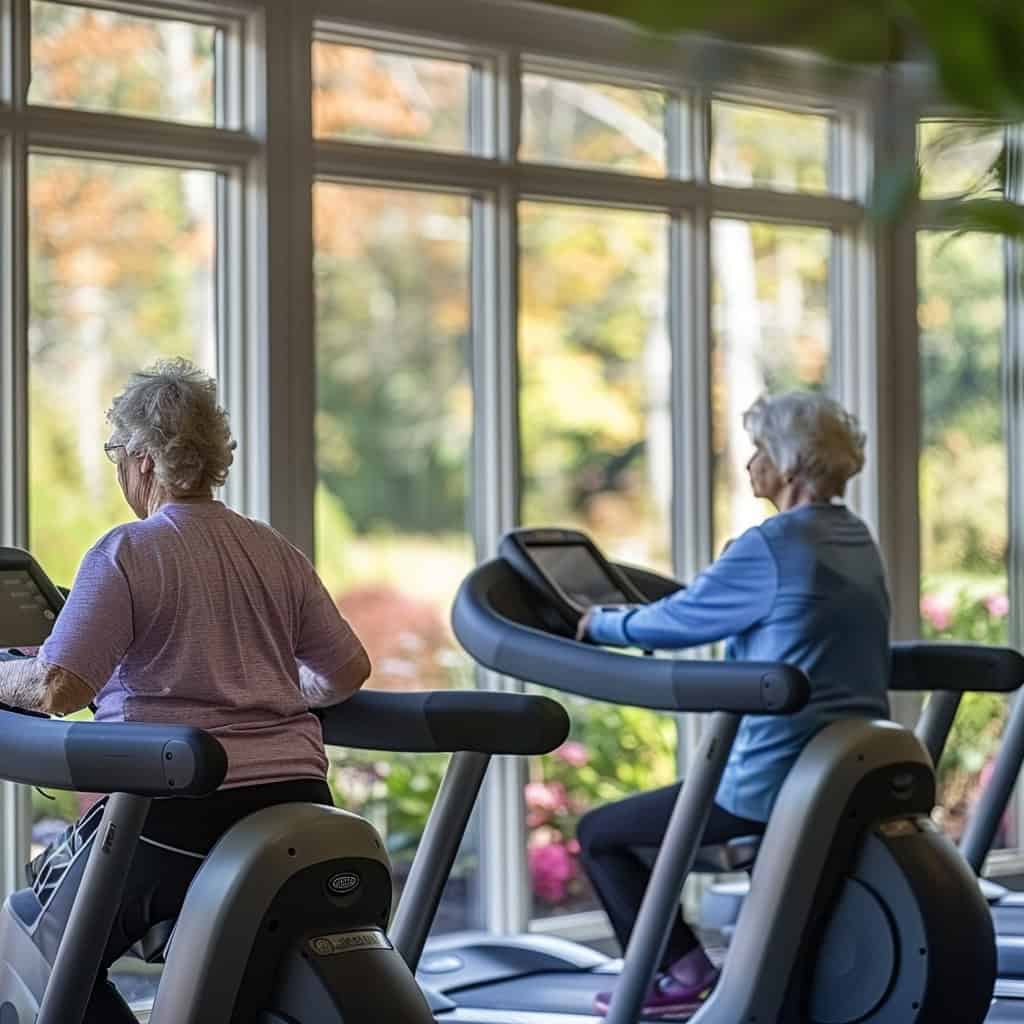
senior cardio exercise

A light cardio exercise program helps keep seniors active and alert

  • Bone Health

Weight-bearing exercises such as walking, jogging, and resistance training are crucial for maintaining bone density and reducing the risk of osteoporosis and fractures. Strong bones are vital for preventing serious injuries resulting from falls, which are a significant risk for seniors. 

  • Weight Management

Regular physical activity helps maintain a healthy weight, essential for managing and preventing chronic conditions such as diabetes, hypertension, and arthritis. Maintaining a healthy weight can also alleviate pressure on joints, reduce pain, and improve mobility.

Psychological and Emotional Benefits

  • Cognitive Function

Exercise has been shown to improve cognitive function, slow down the progression of dementia, and enhance memory and attention. 

Physical activity increases blood flow to the brain, promoting neurogenesis and overall brain health. Cognitive exercises combined with physical activity, such as dance-type movements or aerobics classes that require memorization of steps, can be particularly beneficial.

  • Mood Enhancement

Physical activity stimulates the release of endorphins, the body’s natural mood lifters. Regular exercise can help alleviate symptoms of depression and anxiety, promoting a positive outlook on life. 

Activities that combine social interaction and physical movement, like group exercises, can further enhance these benefits.

  • Social Interaction

Group exercise programs provide opportunities for socialization, reducing feelings of loneliness and isolation. Social interaction is vital for mental health, especially for seniors who may feel disconnected from their families or communities. 

Forming exercise groups can foster a sense of belonging and community within the assisted living facility.

Designing Effective Exercise Programs for Seniors

When designing exercise programs for seniors in residential care facilities, it’s essential to consider the diverse needs and abilities of the residents. 

Programs should be inclusive, adaptable, and enjoyable to ensure maximum participation and benefit. 

It will also be important to provide RCFE caregiver training that educates your RCFE staff about the benefits of senior exercise and how such programs can help your residents.

Assessment and Personalization

  • Initial Assessment

Conduct a thorough assessment of each resident’s physical capabilities, medical conditions, and personal preferences. This will help in creating personalized exercise plans that are safe and effective. Assessments should include evaluations of mobility, strength, balance, and any chronic health conditions.

  • Individualized Plans

Tailor exercise programs to each resident’s specific needs using the assessment information. 

Personalization ensures that each resident can participate safely and effectively. Regularly review and adjust these plans to accommodate any changes in health or ability.

Categories of Exercise for Seniors

  • Aerobic Exercises

Activities like walking, swimming, and cycling are excellent for cardiovascular health. Aim for moderate-intensity aerobic exercise for at least 150 minutes per week, as health guidelines recommend. 

senior water aerobics

Light water exercises can be beneficial to keeping the hear and head active.

However, any amount of exercise will convey benefits compared to none. Group walks, water aerobics, and stationary cycling classes are great options.

  • Strength Training

Resistance exercises using weights, resistance bands, or body weight help build and maintain muscle mass. Strength training should be done at least twice a week, focusing on major muscle groups. 


These sessions can include exercises like squats, lunges, bicep curls, and shoulder presses. Such exercises can be adapted for seniors in ways that do not require a high range of motion and ensure safety. Maintaining muscle mass is one of the most critical health factors related to exercise for seniors.

  • Balance and Flexibility

Incorporate exercises that enhance balance and flexibility, such as yoga, tai chi, and stretching routines. These exercises help prevent falls and improve overall mobility. Balance exercises might include standing on one leg or heel-to-toe walking, while flexibility exercises can involve various stretching techniques.

  • Functional Exercises

Include exercises that mimic everyday activities, such as standing up from a chair, reaching overhead, or bending to pick up objects. These exercises improve functional fitness, making daily tasks easier and safer. Functional training can also include practice with assistive devices if needed.

Implementation Strategies

  • Qualified Instructors

Ensure that exercise programs are led by qualified instructors with experience in working with older adults. They should be knowledgeable about senior fitness and capable of adapting exercises to individual needs. Look for certifications in senior fitness or geriatric exercise.

  • Safe Environment

Create a safe and comfortable environment for exercise. Ensure the exercise area is well-lit, free of obstacles, and equipped with safety features like handrails and non-slip flooring. Safety should always be a top priority to prevent injuries.

  • Encouragement and Motivation

Foster a supportive atmosphere where residents feel encouraged to participate. Use positive reinforcement and celebrate achievements to keep motivation high. Consider using motivational tools like music, themed classes, or friendly competitions.

  • Consistency and Routine

Establish a regular schedule for exercise sessions to create a routine. Consistency is critical to reaping the long-term benefits of physical activity. Schedule classes at the same times each week and remind residents of upcoming sessions.

Examples of Exercise Programs Implemented for RCFE Residents

Below are examples of exercise programs implemented in RCFEs to promote health and wellness among seniors. Videos of these exercises tailored for the elderly can be found widely online.

  • Chair-Based Exercises
  • Walking Clubs
  • Water Aerobics
  • Dance Classes
  • Strength Training Sessions
  • Yoga and Tai Chi
  • Group Exercise Classes

Monitoring Progress and Adjusting Programs

Regularly monitor the progress of residents participating in exercise programs. Conduct periodic assessments to evaluate strength, flexibility, balance, and overall fitness improvements. Use this information to adjust and personalize exercise plans as needed. 

Understanding ways to facilitate better care for your residents will be part of the knowledge set required to obtain your assisted living license.

Feedback and Adaptation

Encourage residents to provide feedback on the exercise programs. Understand their likes, dislikes, and any challenges they face. Use this feedback to adapt and improve the programs, ensuring they remain enjoyable and beneficial. Surveys, suggestion boxes, and regular check-ins can effectively gather feedback.

Celebrating Success

Celebrate the achievements of residents to boost motivation and morale. Recognize milestones like improved mobility, increased endurance, or consistent participation. Celebrations can include certificates, awards, or special events. Hosting an annual fitness day or a showcase event where residents can demonstrate their progress can be very motivating.

Conclusion

Implementing senior exercise programs in RCFEs is a powerful way to promote health and wellness among residents. These programs offer numerous physical, mental, and emotional benefits, helping seniors maintain independence, reduce the risk of chronic diseases, and improve their overall quality of life. 

By designing inclusive, personalized, and enjoyable exercise programs, RCFEs can create a vibrant and supportive environment that encourages residents to stay active and healthy.

Investing in the health and wellness of seniors through regular physical activity enhances their individual well-being and contributes to a positive and thriving community within the assisted living facility. 

With careful planning, qualified instructors, and a commitment to continuous improvement, senior exercise programs can become a cornerstone of a holistic approach to elder care, ensuring that residents enjoy their golden years to the fullest.


What Are Important Disaster Preparation Tips for an RCFE Facility?

Many residential care facilities for the elderly emphasize resident safety. For example, RCFEs prioritize fall prevention, security, and other measures. However, disaster preparation might not get the same level of attention that it deserves. The good news is that informed preparation can go a long way if you own or operate such a facility. Similarly, if you’re exploring or completing education regarding senior care communities, your RCFE education should include disaster training.

1. Meet State Requirements

In California, Title 22, Section 87212 and Health and Safety Codes 1569.695 cover emergency disaster plans. RCFEs also need a current LIC 610E and facility sketch.

It’s important to learn about these requirements, among others, when you start an assisted living business. The guidelines cover areas such as utility shutoff, resident assembly points, and making disaster plans available to residents and others. Many of these requirements can be found below.

2. Train Staff

Your facility needs a comprehensive disaster binder. It should include contingencies for different types of disasters and various types of contact information. Staff members must know where it is and what information is in it. Here’s an overview of a disaster training module that ALE offers. It covers much of what to include in your binder.

  • During regular reviews of your disaster plan, ensure that staffers’ first aid cards are current. Hold quarterly fire and disaster drills for each shift.
  • Staff training should cover areas such as utility shut offs and emergency exits (including those leading directly outside).
  • Train staff on how to work with residents who have dementia or who are bedridden. For example, how to evacuate them? How to supervise them?
  • Orientation for new employees should cover disaster procedures.
  • Residents and their family members should get disaster training, too.

Have a plan for keeping residents’ family members in the loop. Staff training should include who contacts DSS, families, hospice, doctors, and others, as well as what contact channels to use.

3. Prepare for Specific Disasters as Well as General Disasters

There are two types of disaster conditions: internal and external. As the name implies, internal disasters originate inside RCFEs. Fire is one example, and RCFE caregiver training needs to include preparedness and response for fire situations. These trainings come with unique prevention strategies, like changing smoke detector batteries at least once a year.

Power, water, and gas outages are other types of internal disasters that you should prepare and train for.

External disasters originate outside of the facility. Earthquakes and heat waves (or extreme heat), for example, fall under the category of external disasters and should be included in your training.

4. Go Online and Stay Current

Store all documents online as soon as you can so that emergency responders, residents’ caregivers, family members, and others can access what they need to, when they need it. Of course, this registry needs to be secure and compliant with regulations. Staff members must input details about medication changes and ADL care notes in this registry.

Both online and physical disaster plans need to be kept complete and up-to-date at all times. For example, it’s crucial to keep your resident rosters current and include ability details, such as whether a resident is bedridden. DSS Form LIC 9020 can serve as your resident roster. Other good information to include:

  • LIC 601s (emergency information)
  • Physician reports
  • Medication lists
  • Insurance cards
  • DNRs, POLSTs, and similar orders

5. Encourage Individual Disaster Kits

It’s a good idea for each resident to have their own kit. These can include:

  • Contact information of the resident’s doctor
  • Extra ID bracelets
  • Copies of power of attorney and other legal documents
  • Copies of medical details about the resident’s condition and current medications
  • Copies of Social Security and insurance cards

The kits should be accessible, with waterproof bags for the documents and medications.

6. Remain Up-to-Date

RCFE administrators need to stay current on their training, too. Stay in touch with local contacts such as the fire department and your Red Cross chapter. They can help with disaster prevention, preparation, mitigation, and training.

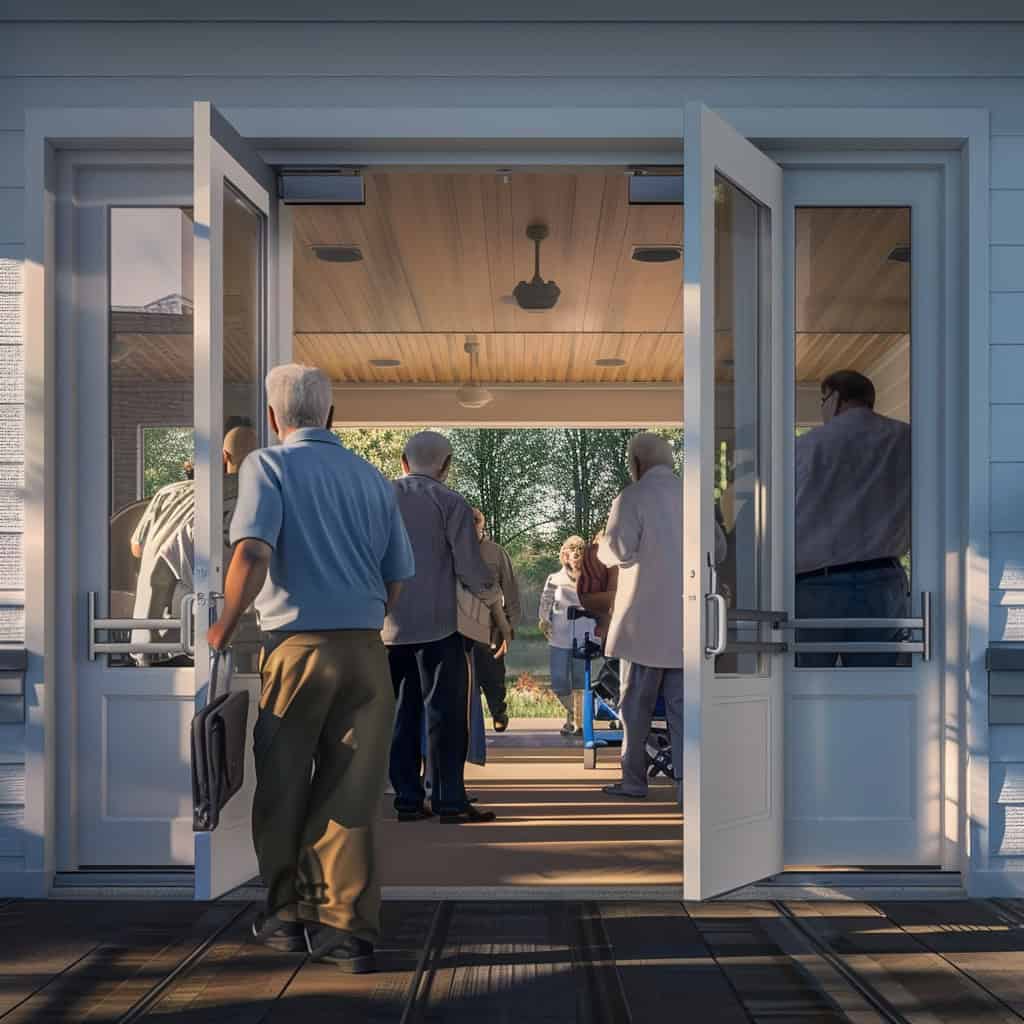
emergency preparedness at RCFE

RCFE staff should be trained in emergency procedures, especially evacuation preparedness.

7. Prioritize Evacuations

There’s a lot involved to facilitate smooth evacuations. If you have only one evacuation site, what happens if it’s inaccessible? It’s crucial to designate at least two sites for evacuation.

You must also evacuate medications and support devices as well as residents. Keep in mind that some medications may need refrigeration. Having online medication records for the residents can be vital, so start building online files if you do not have them already.

Some residents may be able to evacuate using walkers and wheelchairs. Staffers may also be able to roll some residents out in their beds. Carries include hip, saddle, and blanket. Educate RCFE caregivers about these and have them practice using them regularly.

Transportation is an important consideration. Will residents leave the premises in cars or by bus? If by bus, you should triage residents for specific buses. 

Load residents who can move on their own first. The last residents to load should be the ones who need the most support. They should also be the first to unload at the destination. Try to put roommates together on the bus since familiarity can be a great asset in a difficult time.

8. Plan for a Smooth Reentry

Evacuations may have gone well, and all residents are safe. However, your work is not quite done. A chaotic, jumbled reentry can pose safety issues that jeopardize your RCFE license. Your disaster plan should be able to answer questions such as these.

  • Who authorizes reentry?
  • What are the RCFE inspection procedures, and how do you determine whether returning is safe?
  • How do you transport residents back?

Some residents may have trauma from what happened (transfer trauma or relocation stress syndrome). Watch for signs of this trauma, and remember that these situations affect residents differently. Distress may also occur when residents move into your RCFE for the first time from home, so administrators and staffers may just need to tap into already-established support skills.

9. Plan for Sheltering in Place

Aim for your RCFE to be self-sufficient for at least 72 hours (about three days) during a disaster. Think about food and resident activities as well as employees who may worry about their families. If you lose power, what happens when residents use motorized scooters, oxygen, or nebulizers? These are crucial aspects to consider.

Emergency call buttons probably won’t work during power outages. You can try to compensate with strategies such as constant supervision of residents with dementia, hourly checks on other residents, or whistles and bells.

For food, DSS mandates two days of perishables and seven days of nonperishables. The requirements do not explicitly mention water. It’s a good practice  to have a three-day supply of water, with about a gallon of water per resident every day. Don’t forget to include your staff in preparing for emergency supplies.

Get Training for Your RCFE

Whether you already operate your RCFE or want to be an administrator someday, comprehensive, professional response training can open many doors. At Assisted Living Education, we offer many certification and training (CEU) opportunities.

Learn more today about disaster preparation, dementia plans of operation, RCFE regulations, and much more.

How Do I Get an RCFE License in California?

Opening and operating a California RCFE requires licensure and Administrator certification and is a great business model that benefits those receiving care as well as the investor. 

The first thing to do when wanting to open an RCFE is get your California RCFE license.

This article describes in more detail on how to obtain your RCFE license. 


What Is an RCFE?

So what exactly is a Residential Care Facilities for the Elderly (RCFE). RCFEs are known by many names, especially in states outside California. Some examples include assisted living facilities, retirement homes and board and care facilities. 

They house elderly residents and provide assistance with things like general care, grooming, social activities, and medication assistance. Licensed facilities can be as small as one resident or as large a facility that has several hundred. 


RCFE Licensing — RCFE Administrator Certification Training

California requires that anyone operating the facility as an RCFE administrator be certified and the facility must be licensed.  In order to become an administrator, you must complete the 80-hour Certification course, pass the state exam with a score of 70% or better and submit a certificate application with the required documents and fee.

To open a facility, an applicant must complete the three-hour online orientation that is required by the Department of Social Services (CDSS). An application for licensure is submitted once you have legal control of the building that you plan to operate from. 

The RCFE Certification Course gives you the basic knowledge to operate an RCFE successfully and competently and to prepare for the role of an RCFE administrator. 

Why? 

Because you will have the responsibility for a number of people’s health and well-being under your care, and you need to know what you’re doing. 


What RCFE Training Includes

A well-structured certificate program includes both online and classroom learning. Once training is completed, you must take the exam and submit your application. Once CDSS processes the application, a certificate will be issued to you and is valid for two years.

In regard to the actual training, Assisted Living Education provides a thorough curriculum that covers all the aspects of opening an RCFE that includes laws and regulations, staffing requirements, application process and allowable and prohibited health conditions that affect client care.

These are just some of the topics you should be prepared to learn during RCFE training in preparation for your Administrator Certificate:

  • Personnel requirements, including initial and ongoing training
  • Background checks
  • Resident Records, Documentation and Privacy
  • Types of Services that can be provided in an RCFE
  • Health-related Services (and staffing requirements)
  • Compliance Requirements and Oversight

Preparing the RCFE license application to open an RCFE can be quite challenging.  The RCFE license is a necessary step to opening a facility. After you establish a facility, you’re going to need properly trained staff and possibly hiring an administrator if you are not going to manage your own facility.

The elderly population may need a variety of services and different levels of care. Assistance with activities of daily living (ADL’s) such as grooming, toileting and medication assistance are some of the common tasks that most caregivers can provide. Many RCFEs also offer senior exercise and wellness programs to keep their residents active, healthy and happy.

As the level of assistance increases, however, so must the skillset of the caregiver.

RCFEs are not medical facilities and should not provide medical care that falls under the scope of a registered nurse or doctor unless those people are either employees of the facility, on call to the facility to provide as needed assistance or assistance is through the use of a home health or hospice agency. 

These agencies assist the facility with specific care needs that a facility is limited by or restricted from performing assistance. If caring for residents with dementia, staff are required to have a specific amount of hours of training to provide proper support and assistance. 

Proper Staff-to-Client Ratio  

Unlike skilled nursing facilities, RCFE’s do not have regulated staff to client ratios. 

For example, there must be at least one qualified employee (meets the required training to provide care as a caregiver) on call on the premises for 1-15 residents.

In facilities with 16-100 residents, there must be at least one employee on duty on the premises and awake. Another employee must be on call and capable of responding within 10 minutes.

In facilities with 101-200 residents, there must be one employee on call on the premises. Another employee must be on the premises awake and another employee must be on call and capable of responding within 10 minutes.

The need for elderly care will only grow in demand. If you are interested in opening and operating an RCFE in California, now is a great time to enter the industry. 

An increasing aging population will require qualified, ongoing care delivered by caring professionals. Contact Assisted Living Education or check out our upcoming RCFE classes for more information on how to get started on licensing a property as an RCFE or for online classes to maintain your current Administrator Certificate.  


People Also Ask

What is an RCFE license, and why do I need it in California?

An RCFE license, or Residential Care Facility for the Elderly license, is required in California to operate a facility that provides non-medical care and supervision to elderly individuals who can no longer live independently.

What are the basic eligibility requirements for obtaining an RCFE certificate in California?

Basic eligibility requirements include being at least 21 years old, completing required training courses, passing a background check, and having sufficient financial resources to operate the facility.

What training and education requirements are necessary to qualify for an RCFE certificate in California?

Training requirements include completing an 80-hour RCFE Administrator Certification Program, passing a state exam, and obtaining CPR and first aid certification. Additional training may be required for specific services.

Are there any specific background check or fingerprinting requirements for obtaining an RCFE license in California?

Yes, all individuals associated with the facility, including the administrator, staff, and volunteers, must undergo a criminal background check and fingerprinting to ensure the safety of residents.

How long does it typically take to receive approval for an RCFE certificate in California once the application is submitted?

The processing time varies but can take several months. Factors such as the completeness of the application, background check results, and inspection findings can affect the timeline.

What are the costs associated with obtaining an RCFE certificate in California, including application fees and any required training?

Costs can vary but may include application fees, training program tuition, exam fees, fingerprinting fees, and any necessary facility modifications to meet licensing requirements.

Are there ongoing renewal requirements for an RCFE certificate in California, and if so, what are they?

Yes, RCFE certificates must be renewed every two years. Renewal requirements typically include completing continuing education units, updating documentation, and paying renewal fees.

What Are RCFE CEU Classes?

CEU stands for Continuing Education Classes. California requires a certain amount of live CEUs be taken to keep your certificate active. Assisted Living Eductaion offets a variety of online and live CEU classes to meet your specific needs. Our most popular RCFE CEU class is a 40-hour course with 20 hours live on Zoom and 20 hours online.

Can you operate an RCFE facility in California without obtaining a license, or are there consequences for doing so?

Operating an RCFE facility without a license is illegal in California and can result in fines, closure of the facility, and legal action. It’s essential to comply with licensing requirements to ensure the safety and well-being of residents.

Top 7 Traits the Best Assisted Living Facilities and Caregivers Have in Common

Choosing a residential care facility for a loved one is a significant decision, especially in California, where there are many residential care facilities for the elderly (RCFEs) to choose from. Families seek comfort in knowing their loved ones receive the best care possible in their golden years. 

But what distinguishes the best RCFEs and their caregivers from the rest? 

This article delves into seven key traits the top facilities and their caregivers in California share, which enable high-quality care and a nurturing environment for residents. Understanding these differences will help you better prepare for your RCFE administrator certification.


What is an RCFE?

RCFEs are long-term care facilities providing housing, supervision, and assistance for elderly individuals. They offer a home-like environment and fall between independent living and skilled nursing care. 

In California, RCFEs are regulated by the Department of Social Services (CDSS). They vary in size and services offered, catering to residents’ needs, such as memory care for those with dementia. RCFEs aim to promote independence, dignity, and quality of life for elderly residents while ensuring their safety and well-being.

But once you’ve passed your RCFE administrator classes there are  many intangibles that make a good assisted living administrator which can be read here.


1. Compassionate and Empathetic Staff

At the heart of every exceptional RCFE are caregivers who possess genuine compassion and empathy. These caregivers understand the numerous challenges the elderly face and approach their roles with warmth and understanding. 

Such a disposition toward caregiving is underpinned by empathetic communication. Caregivers take the time to listen to residents, validate their feelings, and provide comfort when appropriate. Whether assisting with daily tasks or simply lending a listening ear, good caregivers help create a sense of belonging and security for residents.

Importantly, while some caregivers and staff possess this empathic outlook without training, top RCFEs provide training in empathic communication. Sometimes, residents experience challenging and painful life circumstances and may become abrasive toward others or difficult to work with. 

These situations can lead to well-intentioned but unprepared staff interacting with residents in a conflictual manner. 

Facilities should provide  specific instruction and guidance to prepare staff to handle difficult situations with residents in a caring and thoughtful manner. Compassionate care goes beyond meeting physical needs; it encompasses emotional support and understanding. 

Staff members in top-notch facilities undergo training to develop their empathy skills, learning to understand and respond to each resident’s unique circumstances. 

They recognize that transitioning to assisted living can be a challenging experience for seniors, and they strive to make this transition as smooth and comforting as possible and know how to avoid becoming reactive in difficult situations.


2. Prioritizing Individualized Care Plans

No two residents are alike, and the best RCFEs recognize this fact by offering individualized care plans tailored to each resident’s unique needs and preferences. 

These care plans are developed in collaboration with the resident, their family members, and appropriate healthcare professionals to ensure that all aspects of the resident’s needs are addressed. It’s vital in this environment to support the emotional well-being of the senior residents. 

From assistance with medication management to specialized memory care programs, these facilities prioritize personalized attention to ensure that residents receive the appropriate level of support while maintaining their independence and dignity. 

Care plans are regularly reviewed and updated to accommodate changes in the resident’s health status or preferences, ensuring they continue receiving the best possible care as their needs evolve.

senior living exercise

Good RCFE staff members create health and exercise programs for their senior residents

3. Focusing on Wellness and Activities

Maintaining physical, mental, and emotional wellness is paramount for elderly residents. A top RCFE facility in California goes beyond just meeting basic needs; they prioritize wellness by emphasizing key wellness factors:

  • Exercise programs
  • Engaging activities and mental stimulation
  • Social events designed to promote overall well-being

Regular exercise is essential for seniors to maintain mobility, strength, and balance. It is important to offer fitness activities tailored to the needs and abilities of residents, ranging from gentle yoga and tai chi to group walks and chair exercises.

These activities support physical health and provide opportunities for socialization and connection with fellow residents. Furthermore, exercise serves as perhaps the most effective treatment for symptoms of depression and other psychological maladies.

In addition to physical activities, mental stimulation is also crucial for cognitive health. Many facilities offer brain games, puzzles, and educational workshops to keep residents’ minds sharp and engaged. Art therapy, music therapy, and pet therapy are also popular options that promote emotional well-being and self-expression.

Socialization is another key component of wellness. Loneliness and isolation can have a negative impact on seniors’ mental and physical health, so residents need to have opportunities to connect with others and build meaningful relationships. 

The best facilities organize regular social events, outings, community events, and other group activities that foster community and belonging among residents.


4. Commitment to Safety and Security

Safety is non-negotiable in any RCFE facility, and the best ones prioritize the well-being of their residents by implementing rigorous safety protocols and security measures. 

From secure building layouts to emergency response systems and trained staff, these facilities create a safe environment where residents can live with peace of mind. Having a clear understanding of safety and security requirements will help you learn how to open a California RCFE.

Physical safety measures include features such as handrails, non-slip flooring, and well-lit hallways to prevent falls and accidents. Emergency preparedness is also a priority, with staff trained to respond quickly and effectively to medical emergencies, natural disasters, and other unexpected events.

In addition to physical safety, top facilities prioritize emotional and psychological safety. Staff members are trained to recognize signs of abuse, neglect, or exploitation and to provide support and intervention as needed. 

Residents are encouraged to speak up if they have any concerns or grievances, and there are established protocols in place for addressing and resolving issues in a timely and compassionate manner.

Regular safety audits and inspections are conducted to identify and address potential hazards or security vulnerabilities. By maintaining a proactive approach to safety and security, these facilities create an environment where residents feel safe, comfortable, and well cared for.


5. Transparent Communication and Family Involvement

Effective communication fosters trust and transparency between staff, residents, and their families. High-performing RCFEs in California maintain open lines of communication, keeping families informed about their loved one’s care plan, health status, and any significant developments.

Family members are encouraged to participate in care planning meetings, resident assessments, and other decision-making processes related to their loved one’s care. Regular updates are provided through phone calls, emails, newsletters, and in-person meetings, ensuring that families are informed and involved at every step.

Another important goal is fostering informal interactions between staff and families, creating opportunities for casual conversations and relationship-building. Families are welcomed into the facility as valued members of the care team, and their input and feedback are respected and valued.


6. Continuous Staff Training and Development

The field of elderly care is constantly evolving, and the best facilities and caregivers stay ahead of the curve by investing in continuous training and professional development. 

Whether learning about the latest advancements in dementia care or honing interpersonal skills, ongoing training ensures that caregivers are equipped with the knowledge and skills needed to provide the highest quality of care.

Staff training programs cover a wide range of topics, including:

  • Communication techniques 
  • Dementia care best practices 
  • Medication management 
  • Emergency preparedness 

Training sessions may be conducted by internal staff members or external experts, and they often include a combination of classroom instruction, hands-on exercises, and role-playing scenarios. Gaining a better understanding of training requirements for your RCFE will be part of the education you receive when preparing to earn your assisted living license.

In addition to formal training programs, it is essential to provide opportunities for staff members to pursue further education and professional certifications in their areas of interest or specialization. 

By supporting staff development and career advancement, these facilities demonstrate a commitment to excellence and innovation in elder care. Also, such programs for advancement will help keep staff members working at your facility in the future.


7. Cultivation of a Home-like Environment

Above all, the best RCFEs and staff strive to create a warm, homelike environment where residents feel valued, respected, and supported. From cozy common areas to personalized living spaces, these facilities prioritize comfort and familiarity, allowing residents to age gracefully in a setting that feels like home.

Caregivers and staff members become like extended family, fostering meaningful connections and creating a sense of belonging that enriches the lives of residents. Staff turnover is kept to a minimum, allowing residents to build trusting relationships with familiar faces over time.


Conclusion

Choosing the right RCFE facility for a loved one is a decision that requires careful consideration. In California’s vast landscape of RCFEs, certain traits set the best facilities and caregivers apart from the rest. 

By prioritizing compassion, individualized care, wellness, safety, communication, staff development, and a home-like environment, families can find peace of mind knowing that their loved ones are in good hands in the best RCFE California has to offer.


How Much Does It Cost To Start an Assisted Living Facility in California?

People think about starting a Residential Care Facility for the Elderly (RCFE) in California for many reasons. Some feel aging demographics make caring for the elderly a good career opportunity. Others may have tended to an incapacitated family member or friend and found it very rewarding.

Occasionally, an individual may inherit a sprawling house that seems ideally suited for a care facility or discover a great building for sale at a reasonable price. Sometimes, assisted living employees may conclude they could run a caring and innovative establishment if they went into business for themselves.

Whatever your RCFE motivation, while learning how to start an assisted living facility, you may wonder what it would cost to get your business off the ground. 

This article examines some of the steps involved in opening an assisted living home and breaks down the expenses. Keep in mind these expenses vary based on the size and scope of your proposed facility.

start-up costs for assisted living facility in California

Start-Up Steps and Costs

Something important to note is that California’s assisted living model provides for a large variation in facilities. Some homes offer care for only a few residents, while others offer services to dozens or even hundreds of individuals. 

All RCFEs provide a room, three meals and snacks per day, common areas for socializing, enrichment activities, help with managing medications, and assistance with activities of daily living. 

Although the communities differ in living environments, extra amenities, and dining options, they all require an understanding of the costs of the various  start-up expenses which include the following:

Training and RCFE License Fees

Even if you plan to hire an administrator for your business, obtaining an RCFE administrator certificate is a good idea; it is required by California law if you plan to run the facility yourself.

During the 80-hour certification training, you become familiar with California RCFE regulations and reporting requirements, as well as the fine points of assisted living operations.

The current price for the course is $659 with ALE. The price includes free access to our 200-question RCFE test preparation class, which otherwise would cost $50.

The fee to take the state-required exam is $100. Once you pass the exam, you need to pay an additional $30 state fee for the certification. Keep in mind that your future staff will also need RCFE classes in California to meet caregiver requirements. 

You will also require an RCFE License for your facility from the California Department of Social Services. This process starts with a three-hour orientation fee of $50 and a license application fee based on the number of resident beds in the facility. 

For example, fees start at $495 for one to three beds, increase to $990 for four to six beds, and $1486 for seven to 15 beds. The application fee for a 75- to 100-bed facility is $3469. 

Since the RCFE license process is quite long and complex, many new owners hire professional assistance to prepare the application. ALE’s fee for these services can start at approximately $2,700.


cost to start an assisted living facility

Building Outlay

Whether you buy an existing facility that has residents and staff in place, convert a property you already own into a compliant facility, or search out an ideal building to purchase and modify, housing your senior care business is your largest potential expense. 

Quite a few assisted living businesses lease buildings; many own the property they utilize. In California, you must show “control of property” which means you must show proof that you own, are in the process of owning, or renting a property for use as an RCFE. Without proof, you won’t be able to submit your license application. 

 Down payments vary, depending on the type of loan. If you qualify for a 504 SBA loan, you may need to put as little as 10% down. A traditional bank loan may require a down payment as high as 40% in some instances.

Even a facility currently in business may need some updates, and you will need to incorporate the improvements into your mortgage or have the additional money on hand. If you already own a suitable residence, be sure to get several firm bids for needed modifications and upgrades before making a final decision. The remodeling expenses may be more than you expect.

Furnishings and Equipment

If you purchase a successful operation, most of the furniture, kitchen equipment, and perhaps an inventory of supplies may be included. This might also be somewhat true if you are converting your home. Take a thorough inventory of items already in place and indicate which ones need replacement.

If you are furnishing the RCFE from scratch, you may want to figure anywhere from a low of $3,000 up to $5,000 or more for each residential room and higher amounts for recreational, dining, and kitchen areas.

start-up costs for Residential Care Facility

RCFE Operating Expenses

Another initial cost is setting aside cash for the first few months of operating expenditures. Experts suggest a minimum of one to two months’ expenses, but in California, the state sets this for you. Before the State of California issues your RCFE license, you must prove that you have three months of operating funds set aside in a bank account.

Once again, monthly operating costs vary with the size of the facility, the number of residents and staff, and the amenities offered. To come up with a general estimate, be sure to include:


  • Wages for caretaking staff, kitchen personnel, housekeeping, and laundry workers
  • Employee RCFE classes, benefits, and Social Security taxes
  • Food for residents and possibly staff (it is a nice benefit)
  • Laundry and cleaning supplies
  • Mortgage Payments
  • Utilities and Property Taxes
  • Advertising and Office Supplies
  • Recreation and Entertainment
  • Transportation

Marketing and Advertising Expenses

You won’t be able to accommodate residents until you’re fully licensed, but it’s never too early to start marketing your RCFE. Create a marketing plan for your facility to attract residents. 

Before spending money on digital marketing or PR, establish a marketing plan that outlines the expected outcomes of your marketing activities. Include KPIs (key performance indicators) that can be used to determine if your marketing tracks with your goals. All marketing is an ongoing strategy, so expect this to be a monthly expense. 

Many owners outsource their marketing needs to an agency or consultant. As a rough estimate, small to mid-sized businesses usually spend about 10-20% of revenue on marketing.  

But to make sure you’re spending your marketing budget wisely, read these best steps for marketing your RCFE.

Start Small and Expand Slowly

California has a great assisted living model that allows both the owner and RCFE administrator to begin with a small property and learn along the way. 

If you have some capital, to begin with, then realize that over a short period of time with astute management and marketing, your return on investment will make the initial sacrifice worth the effort.

Operating or owning an assisted living facility is one of the best careers you can embrace, but it can become overwhelming if you take on too much before you are ready. It’s generally best to only take on what you can confidently handle at one time and grow your business organically over time. 

If you have questions or need advice about opening an RCFE, contact us at Assisted Living Education. We are here to help you provide quality care and educational assistance.


People Also Ask: 

Who licenses assisted living facilities in California? 

Licensing, monitoring and regulation are provided by the U.S. Department of Health and Human Services along with the California Department of Social Services. Every 5 years, the California Department of Public Health performs inspections. 

What’s the biggest expense when opening an assisted living facility in California?

Generally, the real estate itself is the most significant cost. This includes purchasing the building or land and any necessary renovations.

Are there any ongoing costs associated with the RCFE license?

Yes, licensed facilities must pay annual renewal fees to the California Department of Social Services.

What about staffing costs?

Staff wages are a major ongoing expense. This includes caregivers, kitchen staff, housekeeping, and administrative personnel. Don’t forget factoring in employee benefits and payroll taxes.

Beyond salaries, what are other operational costs?

There are many, including food supplies, laundry and cleaning materials, utilities, property taxes, and potentially mortgage payments.

Is there a minimum amount of operating capital required?

Yes, the state typically requires proof that you have enough funds to cover operating expenses for three months before issuing a license.

Do the costs vary depending on the location within California?

Absolutely. Real estate prices, construction costs, and even labor costs can differ significantly between urban and rural areas.

Should I consider any hidden costs?

Yes, unexpected repairs, fluctuations in supplies or staffing needs, and even liability insurance can add to your overall expenses.

Is there any financial assistance available for opening an assisted living facility?

There may be limited loan programs or grants available depending on your location and the specific services your facility offers. It’s best to research local resources.


8 Ways Caregivers Can Help Seniors With Depression & Isolation

Anyone who cares for elderly individuals on a regular basis knows that physical health is only one part of their experience. Dealing with bouts of depression and isolation can greatly harm them and make their daily life hard to deal with. 

However, caregivers often have many great opportunities to help seniors with the burden of depression. 

In fact, it’s managing that aspect of the service that makes a good assisted living facility administrator.

Here are eight ways to keep a senior resident upbeat and feeling a part of the community at large.

1. Lighten Up the Day With Humor

When facing tough times or seemingly endless medical tests, seniors may forget about the lighter side of life. By setting aside time to share humorous stories from the past and even viewing classic comedies together on television, caregivers can make a big difference. 

During this bonding over an enjoyable topic, caregivers allow seniors to calm down and start laughing again.

This distraction can be important when an RCFE administrator notices an older person does not have many close friends. This individual might not receive many visits from family or friends outside the facility. 

By taking steps to ensure regular conversations or even by preparing jokes just for the occasion, caregivers change an older person’s mood for the better.

2. Allow Seniors to Help Out

Paradoxically, elders with too much help and too few opportunities to showcase responsibility can mentally check out and feel worse. This lack of control over their environment may lead to them having a more depressed outlook.  Everyone needs a sense of purpose, a way to give back or to feel their life still has value.

To combat this, an assisted living facility administrator can come up with a task or responsibility for them to accomplish regularly. This may include taking care of a pet or cleaning up a certain area of the building. 

Either way, a task that feels special and meaningful helps push feelings of unwantedness and depression away for older adults.

3. Encourage Good Bedtime Habits

Poor sleep can negatively affect anyone, and the elderly are no exception. By learning about proper rest and ways to help seniors cope with depression, caregivers can better address bad nighttime habits and create new ones. 

Restlessness at bedtime and strange waking hours are a few common symptoms of depression.

Some older adults may want to fall asleep during the day and stay up late at night, but that can make feelings of isolation even worse. 

Not only can these individuals not have the ability to talk with family or friends at these odd hours but they could also struggle with negative thoughts late at night. 

Helping them get up at daybreak and get ready to sleep at a regular time gives them the structure they need to deal with depression and isolation.

4. Help With Social Outings

As individuals age, it can be tougher to have people over to their place of residence or go out in public. Residents can then feel isolated and without a way to enjoy meaningful social interaction with friends or loved ones. An attentive caregiver who is willing to help can be the key to fixing this.

Encouraging seniors to reach out and connect with other people in their lives, like attending picnics or going on walks, may give them the emotional boost they need. 

An assisted living facility administrator can also discuss local volunteer opportunities or fun group activities that these older adults may enjoy. By offering options and talking up the benefits of social connections, seniors can see that there are ways to reduce isolation.

5. Drive Them Around

When seniors have to give up their licenses, it may feel like losing a part of their independence. However, caregivers do have a way to show older adults all the amazing sights they were able to see before. 

Taking seniors around in a car for a fun drive helps them relive happy moments and see how the outside world is doing.

This kind of thoughtful outing also allows for conversation and stops at local shops or stores. Spending quality time together in the car paves the way for a stronger bond and a lower likelihood of loneliness and depression. A caregiver can get meaningful insights into the struggles and mental health of an older person just by listening to them open up during this drive.

6. Care for Their Body

How a person looks on the outside can affect how they feel on the inside. Depression can creep in when seniors have no way to pay attention to the finer parts of grooming and cleaning. Beyond the regular amount of bathing and showering , a caregiver can make suggestions or assist with the application of nice lotions and skin care products.

Finding the right elderly resident skin regimen might seem like a challenge, but it is another opportunity to connect with your senior resident and learn about their specific taste in skin care products. 

Seniors may have a sense that  no one cares about their physical comfort or appearance, which can  contribute to feelings of depression. Attending to a disheveled resident or assisting a resident in changing out of soiled clothing  can help them to feel more confident. These acts reinforce a positive body image and demonstrates that we want them to feel good in their aging bodies.

7. Play Games Together

When elderly people fall into a spiral of negative thoughts and loneliness that can lead to health risks, it may be hard to concentrate on anything else. However, an activity centered on entertainment often gives them a break from the drudgery of real life. 

When a caregiver notices this lack of energy, they can pick out cards or another kind of interactive game to play with a senior to combat feelings of depression.

Whether this gaming session includes closely following the rules or making up their own rules, seniors can relax a little. Discussions about important topics may be easier to conduct when these older individuals have a stress release. 

This can potentially help facilitate an opening to discuss some of the issues causing the depression.

games at an RCFE

8. Think and Talk About Happy Memories

As people get older, they often reminisce about their younger years and enjoy discussing memories from the past at length. Although they may not state it out loud at first, elders often want to open up to caregivers in this way. 

Striking up a conversation with a leading question can be the impetus to a stronger connection and help fight against feelings of solitude in elders.

An Assisted Living Facility Administrator Should Stay Ready to Help

At first, depression and isolation may seem like overwhelming feelings to deal with in an older person. For an assisted living facility administrator, reaching out to help with a senior’s mental health and habits can be the first step on the road to a healthier and happier elderly resident. 

To learn more about assisted living education on this topic, contact us online.

Top 6 RCFE Trends for 2024

The landscape of the Residential Care Facilities for the Elderly (RCFEs) industry is always in a state of change. As we step into 2024, several emerging trends in the world of assisted living have become important to pay attention to.

Within this transformative industry, RCFEs are not just businesses or institutions but dynamic communities adapting to the changing needs and expectations of our senior residents, their families, and RCFE staff. 

This article delves into the multifaceted trends shaping the future of assisted living, with a particular focus on the context of RCFEs in California that includes:

  • Technology Integration: Enhancing Quality of Life
  • Person-Centered Care: Tailoring Services to Individual Needs
  • Wellness and Holistic Approaches: Beyond Traditional Healthcare
  • Culinary Improvements: Healthier Dining Experiences
  • Intergenerational Engagement: Bridging the Gap
  • Navigating Employee Turnover in RCFEs: A Growing Challenge

Emerging requirements and strategies to keep your RCFE up to date and current in 2024 are included in the training and coursework that are part of earning your RCFE administrator certificate.

Technology Integration: Enhancing Quality of Life 

As the digital era continues to unfold, technology is emerging as a critical player in redefining the quality of life for those residing in RCFEs. In 2024, these facilities are at the forefront of adopting innovative solutions to integrate helpful technology into the fabric of residents’ daily lives.

The proliferation of smart home devices, wearable health trackers, and telehealth services is becoming increasingly prevalent, empowering residents to monitor and manage their health more proactively. Artificial intelligence (AI) is not just a buzzword but a practical tool, streamlining administrative tasks and facilitating a more personalized approach to resident care. 

Smart home/facility automation, voice-activated assistants, and health tracking services are not just futuristic concepts but tangible elements helping create a technologically advanced and more comfortable living environment for residents.

The proliferation of such technologies carries the potential to help make living at an RCFE more comfortable and secure. It will be important for your RCFE staff to be aware of residents’ use of new technologies and to create guidelines to help integrate technologies into daily living. This integration will help improve the quality of life for residents and RCFE staff.

Personal-Centered Care: Tailoring Services to Individual Needs

In the dynamic landscape of assisted living, the paradigm shift towards person-centered care is gaining momentum across RCFEs in California. This progressive approach acknowledges and celebrates each resident’s individuality, with a commitment to providing personalized and holistic care.

Person-centered care transcends the constraints of a one-size-fits-all model, emphasizing the creation of individualized care plans encompassing the physical, emotional, and social dimensions of residents’ lives. This trend underscores the significance of cultivating a supportive and nurturing community where seniors can both thrive and maintain their autonomy and dignity.

Wellness and Holistic Approaches: Beyond Traditional Healthcare

The concept of wellness takes center stage in 2024, expanding beyond the traditional confines of physical health to encompass the holistic well-being of residents. Starting an assisted living business in California will put you alongside the RCFE industry, at the forefront of embracing holistic approaches to senior living and recognizing the importance of integrating mental, emotional, and social well-being.

Diverse wellness programs, ranging from meditation classes to art therapy and other communal activities, are being introduced to cater to the diverse needs of residents. Outdoor spaces are designed to contribute to the well-being of residents, providing areas for relaxation, exercise, and socialization. The emphasis is on creating environments that foster a sense of purpose, fulfillment, and overall life satisfaction.

Culinary Improvements: Healthier Dining Experiences

Among the emerging trends in assisted living, culinary experiences are becoming a significant factor in residents’ overall satisfaction. A number of RCFEs in California are steering away from traditional institutional dining models, embracing a more health-conscious approach to cater to the evolving tastes and expectations of discerning residents.

A recent study conducted by the National Alliance for Caregiving and AARP found that about half of Americans say they are paying closer attention to what they eat, and 79% of Americans believe that concern over what they eat is essential for health and longevity.

With growing numbers of people paying closer attention to the food they eat, it is not surprising that RCFEs are beginning to offer more health-conscious dining options. This is especially important for residents with health concerns that require special diets, such as heart disease and diabetes.

Emerging trends when it comes to senior facility food choices include: 

  • An increasing number of residents prefer organic foods, freshly cooked meals, and foods with greater nutritional content.
  • Growing numbers of residents desire sugarless, gluten-free, or vegan food choices.
  • RCFEs with dynamic and diversified food menus are often preferred, and having a nutritionist work with your facility can help facilitate these changes and increase resident satisfaction.

Intergenerational Engagement: Bridging the Gap

Recognizing the value of intergenerational connectedness, RCFEs are proactively seeking opportunities to create meaningful interactions between their senior residents and younger generations. This trend aligns with research indicating the positive impact of intergenerational relationships on the overall well-being of seniors and younger individuals.

Innovative programs involving associations, such as community groups and youth organizations, are being implemented to create shared experiences and foster a sense of community. This intentional intermingling not only enriches the lives of residents by providing them with diverse social interactions but also contributes to breaking down age-related stereotypes and fostering mutual understanding across generations.

Inviting younger generations to participate in collaborative events helps ensure residents stay active, socially engaged, and connected to their broader community. As you open your RCFE facility, engaging with your surrounding community will be helpful and vital. 

Navigating Employee Turnover in RCFEs: A Growing Challenge

The terrain of the RCFE industry is marked by an emerging concern – increasing rates of employee turnover. Several factors contribute to this challenge, including the high demand for skilled workers, burnout among caregivers, and a perceived lack of professional development opportunities.

A marked difference from other industries, the healthcare sector is impacted by an employee attrition rate of more than 30%, affecting RCFEs and other healthcare organizations.

Below is an overview of employee-turnover factors for RCFEs:

  • Skilled workforce demand: The surging demand for qualified healthcare workers, coupled with limited supply, intensifies competition among RCFEs. This struggle to attract and retain skilled personnel contributes to rising turnover rates.


  • Burnout and stress: Caregivers, facing the sometimes demanding nature of their roles, can experience burnout and heightened stress. Inflexible schedules, the emotional toll, and long hours lead to job dissatisfaction and an increased likelihood of seeking opportunities elsewhere.


  • Professional development gap: In some cases, there is an absence of clear career progression and ongoing training opportunities at RCFEs, creating a sense of stagnation among staff. This perceived lack of professional development contributes to growing turnover rates.


  • Impact on resident care: Employee turnover has a direct impact on the quality and consistency of resident care. Disruptions in staff-resident relationships can create uncertainty among residents, affecting their overall well-being and security.

To counteract this rising turnover trend, RCFEs can adopt proactive strategies:

  • Competitive compensation: Offering competitive salaries, packages, and benefits enhances the appeal of RCFEs and promotes staff retention.


  • Work-life balance: Recognizing and supporting work-life balance helps reduce burnout among caregivers and fosters a healthier work environment.


  • Professional development: Establishing clear career pathways and providing ongoing training opportunities boosts job satisfaction and retention.


  • Supportive work environment: Cultivating a positive workplace culture where staff feel valued and acknowledged contributes to overall job satisfaction.

By being aware of employee turnover factors, RCFEs can create an environment that attracts and retains skilled professionals, ensuring stability and excellence in the care provided to residents. This commitment to employee satisfaction is not just an investment in human resources but a dedication to the well-being of the workforce and the residents they serve.

Conclusion

Being an assisted living administrator puts you at the forefront of the transforming landscape of the RCFE industry in California in 2024. This transformation brings forth emerging trends ranging from positive factors such as technology integration, person-centered care, holistic wellness, and healthier dining experiences to concerning trends such as growing employee turnover. 

RCFEs are poised to shape and improve the standards of senior living. Intergenerational engagement adds a unique dimension, fostering connections that enrich the lives of residents. Additionally, technology is becoming available to enhance residents’ quality of life, and person-centered care, holistic wellness approaches, and better culinary experiences can help residents stay healthier and more satisfied. 

Finally, high demand for skilled workers, worker burnout, and a need for professional development are concerns that need to be proactively addressed.

In this balance of emerging supportive and challenging trends, RCFEs have the opportunity to improve the lives of their residents. By embracing innovation and fostering a supportive environment, facilities can better navigate the future of assisted living, promising a vibrant and positive experience for residents and staff alike.


What Is a RCFE (Residential Care Facility for the Elderly)?

California is unique in many ways. We have the best weather in the entire country, we are cultural trendsetters, and California leads the industry with  the residential care facilities for the elderly (RCFEs) model. 

You may wonder what RCFEs are and how they differ from other senior housing models. 

We will answer that question and more in this article.

Defining an RCFE Facility

RCFEs, have many different names such as Care Homes, board and care, retirement homes and Assisted Living Continuing Care Retirement Communities (CCRCs) include independent living, assisted living and Memory Care and sometimes a skilled nursing facility. All RCFE’s provide care  to seniors who are age 60 and older. Aside from housing, RCFEs deliver care to senior residents along with assistance with activities of daily living, meals, activities, and general supervision as needed. 

Facilities provide a resident driven careplan that incorporates the resident’s physical needs as well as resident choices in regards to meals, activities and care. 


RCFE California

A quality RCFE provides seniors with a congenial place to meet and socialize in a friendly, peaceful setting.


How Is the RCFE Environment?

A good Residential Care Facility has an atmosphere that is warm and inviting, just like home, and promotes maximum possible independence and dignity. RCFEs encourage the involvement and support of family and community members to maintain or improve the quality of life for their residents. Residents have access to a host of supportive services, such as housekeeping, personal care, dressing, bathing, and the safekeeping and distribution of medications to its residents for self-administration.

One of the benefits of an RCFE is that it acts as an intermediary between independent living and 24-hour nursing care. RCFEs can act as a bridge for the person who is no longer able to live independently but does not require round-the-clock assistance and supervision. 

They are not medical facilities, which means they don’t necessarily have nurses or doctors on staff (or at least there’s no requirement to have them staffed). Think of them more as assisted living and less as nursing homes.

RCFEs provide safe and healthy living accommodations and services. Some of the ancillary services include but are not limited to:

  •         Consistent monitoring of the resident’s mental and physical state of being
  •         Regular, healthy meals and snacks with diet modifications
  •         Recreational activities and social engagement in a fun environment
  •         Transportation and outings

Comparatively, Skilled Nursing Facilities provide 24/7 skilled professional medical services. This includes more specialized care that can only be treated by qualified, credentialed health care workers. Skilled Nursing Facilities are medical facilities as opposed to a housing option that includes services.

Read more about what a day in the life of an RCFE administrator is really like.

What Regulations Are in Place for RCFEs?

RCFEs are designed to promote independence and self-direction to the greatest extent possible in a residential setting. An RCFE license is issued by the Department of Social Services in California. They are governed by robust regulations and must meet quality, care, and safety standards as defined by the State. They also require an inspection by the Department of Social Services and the local Fire Inspector.

To open and operate an RCFE, one must submit a license application to the Community Care Licensing Division. Applicants must provide evidence that demonstrates they are of upstanding, reputable, and responsible character in addition to all the other application requirements with which they must comply. Additional items in the application include medication policies and procedures, sample menus, how and when their staff will be trained and a sample budget. Assisted Living Education can prepare your RCFE license application for you. We also offer RCFE classes and RCFE continuing education.

Should I Be Concerned About Covid-19 and RCFEs?

Many of the deaths that have occurred in the U.S. due to Covid-19 have occurred in the elderly population and nursing homes are a part of that equation. Like hospitals, Skilled Nursing Facilities are medical environments where viruses and other illnesses can spread, especially among the elderly. RCFEs are not medical facilities and have not experienced the outbreak of SARS-CoV-2 to the extent that medical facilities have. Still, it is always important for the elderly and those with underlying health issues to take every precaution necessary to protect against the virus. A well-run RCFE that has opened properly will have the right protocols in place to protect both the residents and themselves to the greatest extent possible.

Even now, as the most serious days of Covid-19 and its many mutations are hopefully behind us and trending down, every good assisted living administrator and staff must always be on guard against the spread of any infectious disease. 

Hopefully, this answers some of the questions you have about RCFEs. If you are worried about sending a loved one to this type of facility, don’t worry. They are a great first and gradual step back from full independent living with qualified staff that will serve your loved one well.

What Are the Latest Trends in Operating an RCFE Facility?

Every year, new advances in environmentally, emotional and technological issues make every assited living administrator take note and evolve accordingly. We will continue to keep abreast of all the latest trends you should be aware of. In fact we’ve just recently compiled the top list of latest trends and innovations in assisted living for the New Year that you can read by clicking that link.


People Also Ask:

How do I get my RCFE certificate?

Items needed to become an RCFE administrator: You must be at least 21, completed high school or obtained a GED, completed the 80-hour RCFE Certification class, pass the state exam, pass a background check and pay the state fee for the RCFE certification application.

What is a residential care facility for the elderly (RCFE)?

An RCFE, also known as an assisted living facility or board and care home, is a residential setting that provides housing, meals, and assistance with daily living activities for older adults who need some help but don’t require the level of care provided by a nursing home. RCFEs are typically smaller and more home-like than nursing homes, with a focus on maintaining independence and fostering a sense of community.

Who are RCFEs for?

RCFEs are a good option for seniors who:

  • Need help with activities of daily living (ADLs) such as bathing, dressing, eating, and toileting.
  • Can walk with assistance or use a mobility device.
  • Are not cognitively impaired or have only mild cognitive impairment.
  • Do not require 24-hour skilled nursing care.

What services do RCFEs provide?

RCFEs provide a variety of services, including:

  • Housing: Private or semi-private rooms, furnished or unfurnished.
  • Meals: Three meals a day, plus snacks.
  • Assistance with ADLs: Bathing, dressing, eating, toileting, transferring, and medication management.
  • Housekeeping: Laundry, light cleaning, and trash removal.
  • Social and recreational activities: Games, outings, exercise classes, and entertainment.
  • Transportation: Assistance with errands and appointments.
  • Security: Staff is on-site 24 hours a day, and there are often emergency call systems in place.
  • Social activities to keep every senior active and alert.

What are the costs of living in an RCFE?

The cost of living in an RCFE varies depending on the location, size, and level of care provided. The average monthly cost is around $4,000, but it can range from $2,000 to $6,000 or more. Some RCFEs offer discounts for veterans or Medicaid recipients.

How do I choose the right RCFE?

When choosing an RCFE, it is important to consider your needs and preferences, as well as the needs and preferences of your loved one. Here are some things to keep in mind:

  • Location: Is the RCFE close to family and friends? Is it in a safe and convenient neighborhood?
  • Size and atmosphere: Do you prefer a small, home-like setting or a larger community?
  • Services offered: Does the RCFE offer the services you need, such as assistance with ADLs, medication management, and transportation?
  • Cost: Does the RCFE fit your budget?
  • Staff: Are the staff members qualified and experienced? Do they seem caring and compassionate?
  • Activities and amenities: Does the RCFE offer activities and amenities that you enjoy?

Can I visit an RCFE before I move in? 

Yes, you are encouraged to visit an RCFE before you move in. This will give you a chance to see the facility, meet the staff, and ask questions.


8 Services Seniors Need Most in an RCFE

What Services Do Seniors Need Most? 

Navigating the complexities of care in Residential Care Facilities for the Elderly (RCFE) requires a deep understanding of seniors’ needs. 

To become a better assisted living administrator, you want to understand and effectively implement services that will make your facility successful. They are instrumental in ensuring seniors’ safety, comfort, and satisfaction in RCFEs.

From mobility assistance and personal care services to social interaction opportunities and medication distribution, each service plays a vital role in ensuring the health, safety, and overall well-being of elderly residents.

These services collectively create a nurturing and supportive environment for seniors that help them thrive in their golden years. Beyond the certification training to become an RCFE administrator, it takes a deeper understanding of the person you’re taking care of to ensure the individual is living their best, most stress-free life in their senior years which includes taking care of:

  • Mobility assistance
  • Transportation Needs
  • Safe and healthful living accommodations
  • Medication Management
  • Personal assistance and care
  • Nutrition and Meal Assistance
  • Social Interaction Opportunities
  • Assisting with obtaining medical and dental care

Let’s look closer at these eight essential services for enhancing the quality of life for seniors in these facilities, which is the most fundamental aspect of how to start a successful RCFE.


1. Mobility Assistance

Mobility assistance is a crucial service in RCFEs. This service ensures seniors move safely within their living spaces, addressing challenges such as navigating bathrooms and climbing stairs. 

By aiding in mobility, RCFEs significantly reduce the risk of falls and related injuries, fostering independence and self-confidence among residents.

You tailor services to individual needs, ranging from minimal support for partially mobile seniors to more comprehensive aid for those with significant mobility issues. Ensuring safe and efficient mobility is vital in maintaining residents’ overall health and enhancing their quality of life in the facility.

RCFE and senior mobility training

Helping seniors with mobility issues is one of the most important tasks of a senior living careperson

2. Senior Transportation Needs

Transportation services in RCFEs are essential for seniors, especially those who no longer drive. These services provide access to crucial appointments, shopping trips, and various social events, keeping seniors connected to the outside world. 

Regularly scheduled outings and personalized transport arrangements ensure residents can attend healthcare appointments, engage in community activities, and build social ties. Reliable transportation is a cornerstone of maintaining a vibrant, engaged senior community within RCFEs. 

As an RCFE administrator, you offer this service to protect their well-being, maintain their health, and improve their mental health.

3. Safe and Healthful Living Accommodations

Home maintenance assistance in RCFEs encompasses a range of services to ensure seniors’ living spaces are safe, clean, and comfortable. This includes routine tasks like cleaning, laundry, and minor repairs. By handling these chores, RCFEs relieve seniors of the physical and mental strain of home upkeep. 

This service is integral to creating a living environment where seniors can enjoy their retirement without worrying about domestic responsibilities. Additionally, well-maintained living spaces prevent accidents and promote a healthier living environment, which is crucial for seniors’ well-being.

4. Medication Management

Effective medication management in RCFEs is another essential element for resident health. This service involves organizing, dispensing, and closely monitoring residents’ medications. This service ensures that seniors take their prescriptions correctly and at the right times, reducing the risk of adverse drug interactions and health complications.

Medication training and management also involves regular reviews and adjustments by healthcare professionals to align with changing health needs. This comprehensive approach to medication care is essential for maintaining the health and safety of seniors, particularly those with chronic conditions requiring multiple medications.

5. Personal Assistance and Care

High personal care standards in RCFEs are a foundational part of senior care. This service includes assistance with daily activities like bathing, dressing, and grooming. Tailored to each individual’s needs, it respects their dignity while providing necessary support. 

High personal care standards contribute significantly to seniors’ physical health, preventing issues like skin infections and promoting good hygiene. Additionally, this service positively impacts mental health and self-esteem, as residents feel cared for and valued. Meeting these standards consistently is a core responsibility of RCFEs.

6. Nutrition and Meal Assistance

Nutrition and meal assistance in RCFEs ensure the preparation of balanced, nutritious meals catering to dietary needs and preferences. Assistance may also extend to aiding seniors during meal times, if necessary. 

Proper nutrition is crucial for maintaining strength, boosting immunity, and managing health conditions. RCFEs focus on creating enjoyable meal experiences, encouraging social interaction during dining, and addressing specific nutritional requirements. 

This holistic approach to mealtime sustains physical health and enhances the overall dining experience for seniors.

7. Social Interaction Opportunities 

Providing social interaction opportunities in RCFEs promotes mental and emotional health for seniors. These facilities should offer a variety of activities, including group outings, classes, and social events, fostering a sense of community and belonging. 

Regular social engagement helps combat loneliness and depression, prevalent issues among older adults. By creating a vibrant social environment, RCFEs enhance residents’ quality of life, encouraging active participation in the community. 

These interactions are also integral to maintaining a lively, supportive, and engaging community within the facility.


8. Assisting With Obtaining Medical and Dental Care

Seniors, obviously, require a fair amount of medical attention which can be overwhelming to many seniors and their families. By assisting in helping the senior find the right doctor or dentist (if he or she doesn’t already have one) and then working with the senior to make the appointments that best fit their schedule takes a lot of undue stress off of your client.

This will also relieve some of the stress of the extended family knowing there’s someone in the RCFE who is helping to keep their loved one’s medical schedule up-to-date and in order.

By adhering to these standards of care, you will be providing the most nurturing way of life for your senior residents.


People Also Ask

What Is an RCFE Administrator? 

An RCFE Administrator is a professional responsible for overseeing the daily operations of a Residential Care Facility for the Elderly. Their role encompasses managing staff, ensuring compliance with healthcare regulations, and maintaining high standards of care for seniors.

Getting an RCFE license is a critical step for these administrators, requiring them to demonstrate comprehensive knowledge of eldercare management and legal requirements. Additionally, obtaining an assisted living administrator certification further validates their expertise in this field. 

This certification typically involves specialized training and an examination, underscoring their commitment to providing quality care in an RCFE setting.

Where Can You Get the Training You Need To Be an RCFE Administrator?

At Assisted Living Education, you can access the materials and instructors you need to be an expert in your field. We offer informed staff who can guide you through the administration process of providing senior services and help you run a successful RCFE.

Starting an Assisted Living Business

Here is a reference article with 10 steps to start an assisted living business that provide a structured approach to this endeavor. However, consider the basic concepts:

  • Research the market and understand the local demand.
  • Develop a comprehensive business plan.
  • Secure funding through loans or investors.
  • Choose a suitable location that meets regulatory requirements.
  • Hire qualified staff and ensure proper training.

It is essential to obtain necessary licenses and permits, create a marketing strategy, establish operational policies, and continuously monitor and improve the quality of care provided. This thorough approach ensures the successful establishment and growth of an assisted living business.