How to Increase Occupancy at Your Assisted Living Facility

As the population of older adults continues to grow, the demand for high-quality assisted living facilities is increasing. For those who already own or are considering starting an assisted living facility, this presents a significant business opportunity. 

While the goal is to provide the best RCFE home for residents, it is also important to address the business considerations that allow the facility to keep running. Like any other business, maintaining high occupancy levels is crucial for long-term profitability and success. 

In the past, we’ve discussed the best steps for marketing your RCFE, now let’s look at further ways to grow the business.

This guide will explore effective strategies to increase occupancy at your assisted living facility while also addressing key considerations such as the profitability of owning such a facility.

Understanding the Demand for Residential Care for the Elderly

With our diverse population and aging Baby Boomer demographic, a growing number of elderly individuals require residential care. As seniors age, they often find it challenging to live independently due to health concerns or mobility issues. 

This has led to a rising demand for assisted living services, which provide housing, personal care, and assistance with daily activities like eating, bathing, and dressing.

While the demand for residential care for the elderly is rising, competition in the assisted living industry is also fierce. With thousands of facilities spread across a state like California, increasing occupancy requires strategic planning, superior care, and effective marketing.

Is Owning an Assisted Living Facility Profitable?

Before diving into strategies to boost occupancy, it’s important to understand whether opening an assisted living facility can be both a significant help to the lives of the elderly and a financially worthwhile endeavor. 

The short answer is yes, but like any business, profitability is dependent on several factors. 

These factors include:

  • Location, 
  • Facility size 
  • The quality of care 
  • Staffing
  • Operational efficiency

The average cost of assisted living in California ranges between $3,000 and $7,000 per month, depending on the region and amenities offered. Given these rates, owning an assisted living home can be significantly profitable if you manage your expenses effectively and maintain a consistent occupancy rate. 

At the same time, these prices reflect significant operating costs.

However, achieving profitability requires more than just filling beds. The key to sustained profit in the assisted living industry is providing exceptional care that meets the needs of residents while managing operational costs. 

Additionally, staying compliant with state regulations for RCFE requirements and maintaining an appealing, safe environment is critical to ensuring positive reviews and long-term success.

assisted living facility

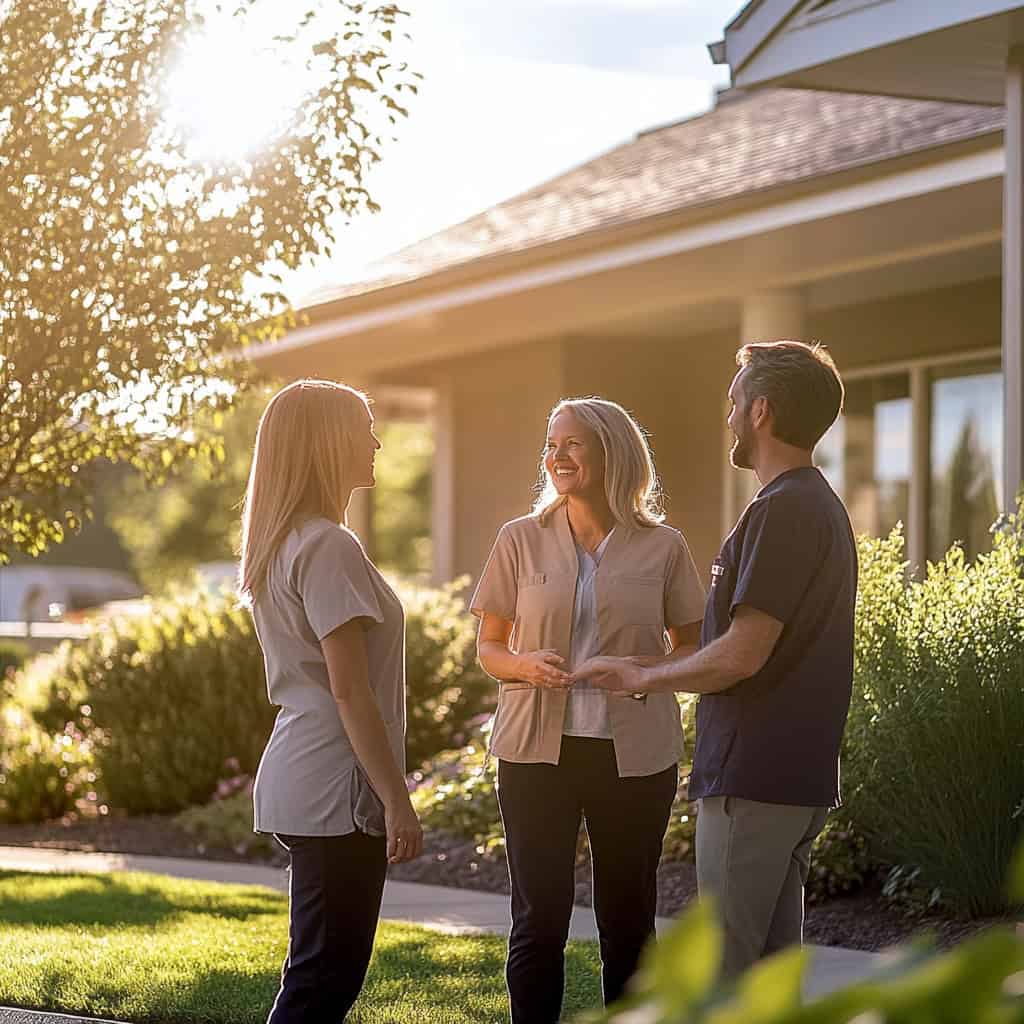
Strategic marketing will improve your RCFE occupancy.

Strategies to Increase Occupancy at Your Assisted Living Facility

To stay competitive and boost your occupancy rates, consider implementing these strategies:

1. Enhance Your Assisted living Facility’s Online Presence

Having a strong online presence is crucial for attracting new residents. Many families begin their search for assisted living facilities online, so it’s important that your facility appears in search results and provides valuable information. 

Start by optimizing your website for search engines (SEO). This will help your website rank well for relevant keywords that reflect what family members would search for using platforms such as Google.

Additionally, make sure your website is user-friendly and provides key information, including services offered, staff qualifications, pricing, and testimonials from current or past residents. 

Consider using professional photography to showcase the facility’s amenities, living spaces, and common areas. You should also have a clear and easy-to-navigate contact page to encourage potential residents to reach out with inquiries.

Creating a Google Business Profile listing is another important step. 

This allows you to list your facility on Google’s search and map results, making it easier for potential clients to find your location and read reviews. Encourage satisfied residents or their families to leave positive reviews, as social proof can significantly influence prospective clients.

2. Offer a Personalized Experience

One way to stand out from other facilities is by offering a personalized experience for each resident. As an RCFE administrator, understanding the individual needs of your residents is key to improving their satisfaction and increasing your occupancy rates.

When potential residents or their families tour your facility, they should feel welcomed and understood. Train your staff and assisted living manager to engage with families and prospective residents in a caring and compassionate manner. 

Provide customized care plans that address the specific needs of each individual, ensuring they feel supported and respected. 

Offering tailored services, such as specialized memory care for individuals with Alzheimer’s or dementia, can help attract families who require those services. 


3. Improve the Facility’s Amenities

While quality care should be the priority of an RCFE, the physical environment also plays a vital role in attracting residents. 

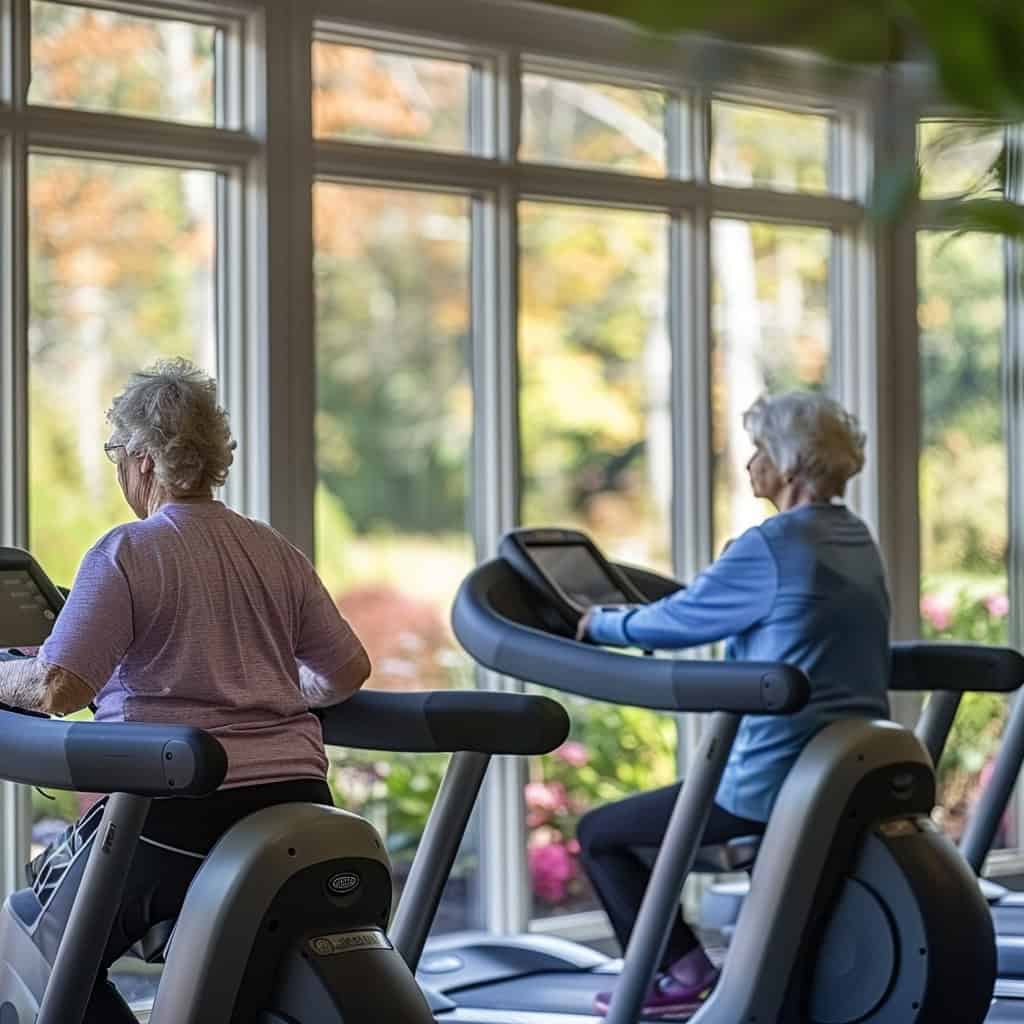
Modern, clean, well-maintained facilities appeal more to families and prospective residents. Consider updating the decor, investing in comfortable furniture, and improving common areas with amenities like gardens, libraries, and fitness centers.


4. Develop Strong Relationships with Healthcare Providers

Building relationships with local healthcare providers, such as hospitals, physicians, and rehabilitation centers, can help increase your facility’s visibility and provide sources of referrals. Physicians often recommend assisted living homes to families of patients who are transitioning from hospital stays or recovering from surgeries.

To help build these connections, consider hosting educational events or networking sessions with local healthcare providers. 

Offering to collaborate on patient care or become a preferred provider for specific medical services can also enhance your facility’s reputation and make it a go-to choice for healthcare professionals.
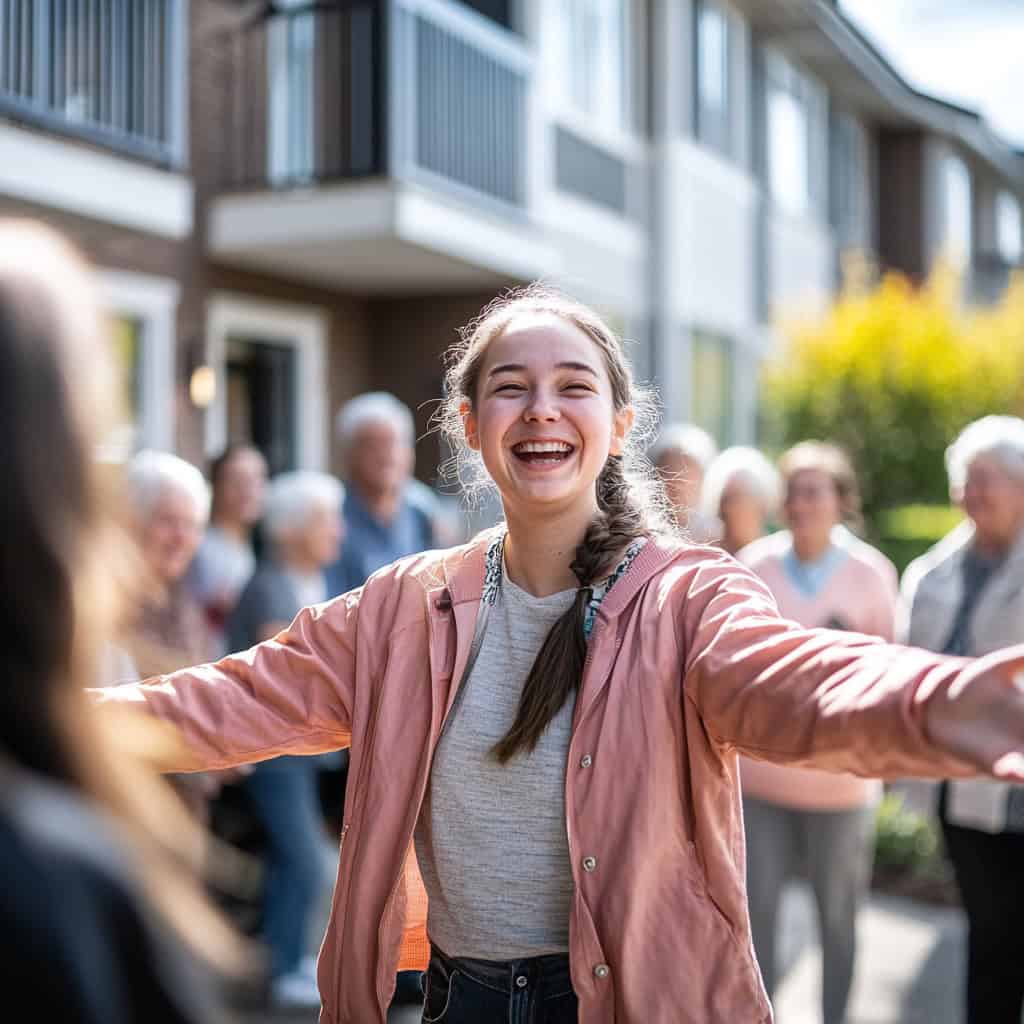
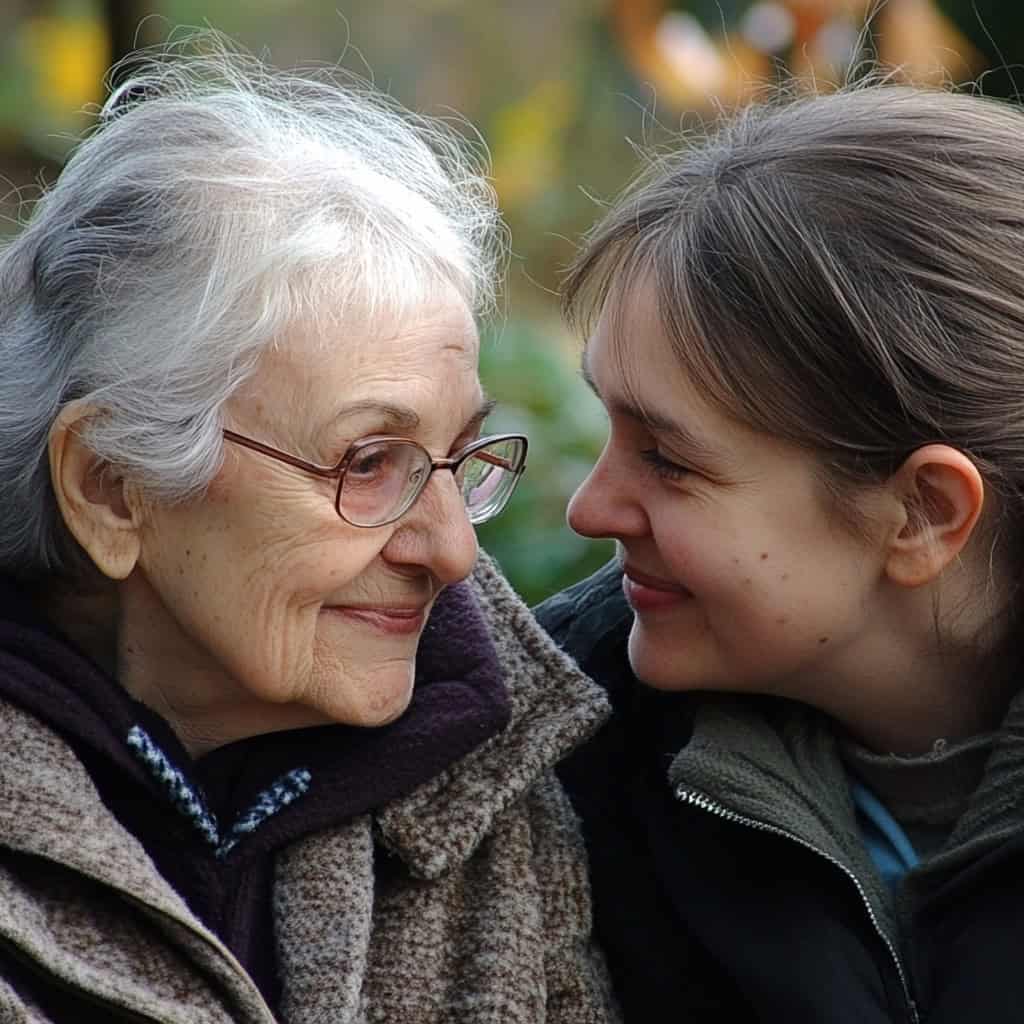
RCFE family bonds

Happy RCFE staff members will make your facility grow through word-of-mouth.

5. Invest in Staff Training and Development

Your staff is one of the most important aspects of your assisted living facility. A team of caring, professional, and highly trained staff members is essential to attracting and retaining residents. The assisted living manager should lead the team in maintaining high standards of care and creating a positive atmosphere.

Investing in continuous staff training promotes the best care for your residents and improves employee satisfaction, reducing turnover rates. High turnover can harm your facility’s reputation and negatively affect the care your residents receive. 

Make sure that your staff feels valued and is given opportunities for growth within your organization.


6. Stay Engaged with the Community

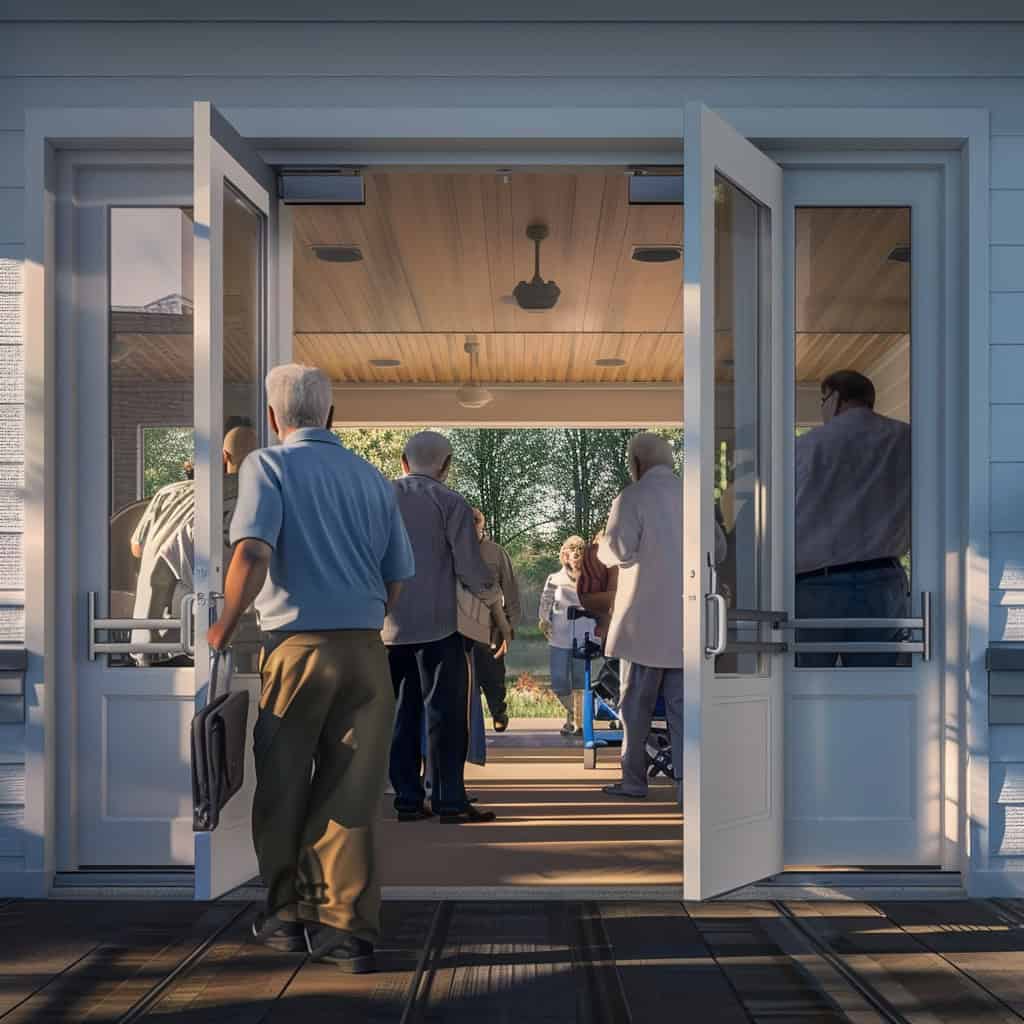
Community engagement is another effective way to increase occupancy at your RCFE. Attend senior fairs, host informational sessions, and collaborate with local senior centers to build awareness about your facility. 

Being active in your community helps position your facility as an integral part of the local support network for elderly residents.

Hosting events like open houses, health workshops, or entertainment nights at your facility can also help draw attention. These events provide a low-pressure opportunity for families to visit your facility, meet staff, and experience the atmosphere firsthand.


7. Provide Flexible Payment Options

The cost of assisted living is often a significant barrier for many families. To increase occupancy, consider offering flexible payment options, including private pay, long-term care insurance, and Medicaid. 

Offering a range of pricing plans allows you to appeal to a broader spectrum of potential residents, from those with higher incomes to those on fixed budgets.


8. Ensure Compliance with State Regulations

California has strict regulations for assisted living facilities, and staying compliant is necessary for maintaining your reputation and avoiding legal issues. Ensure that your facility adheres to all state regulations related to resident care, staffing ratios, and building safety.

In this state, that means being compliant with California Title 22, among other regulations.

Regularly review and update your facility’s policies and procedures to reflect any changes in California law. Compliance promotes the safety and well-being of your residents and protects your RCFE from potential fines or legal action.


***

Increasing occupancy at your assisted living facility requires a combination of strategies that focus on quality care, community relationships, effective marketing, and operational efficiency. 

By implementing these strategies, you can build your reputation, attract more residents, and help ensure the long-term profitability of your facility. 

Whether you’re just investigating how to start an assisted living facility or manage an existing one, investing in these areas will be the foundation for your RCFE’s success.

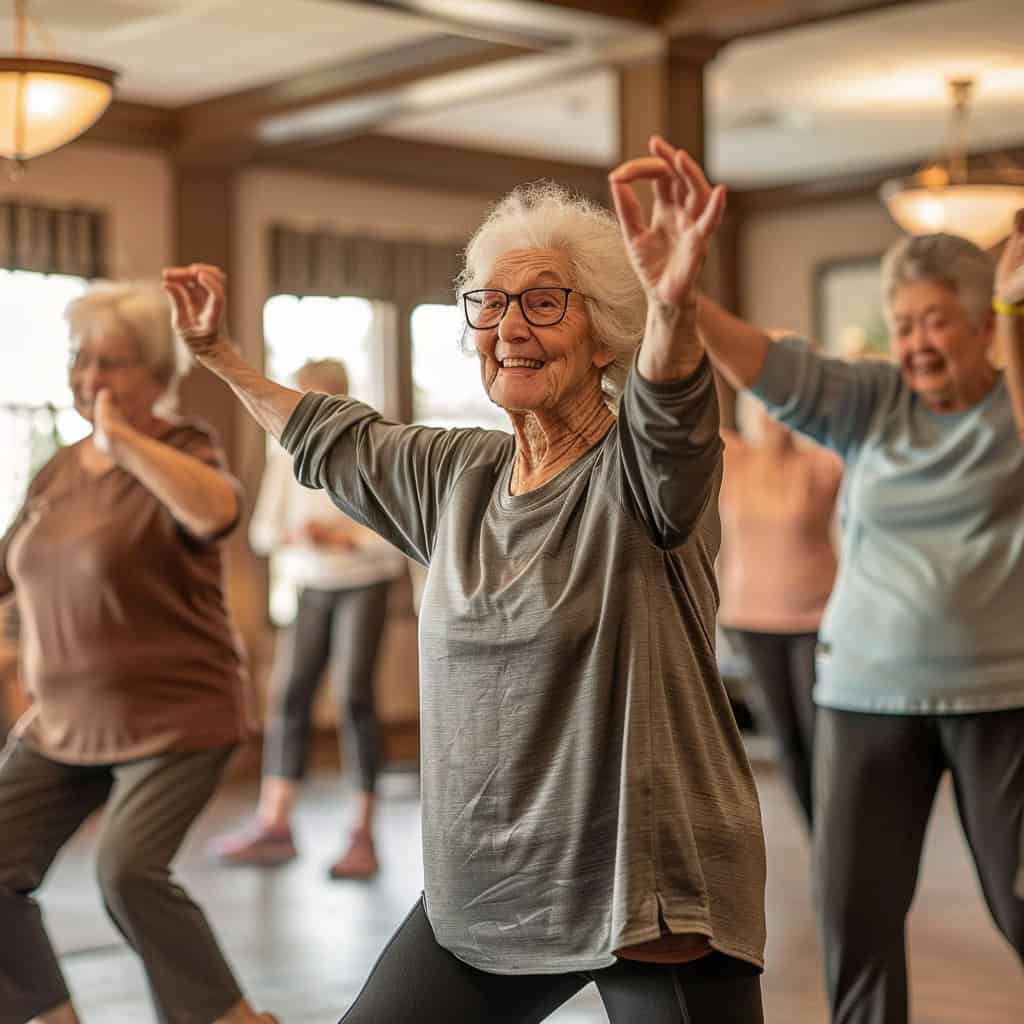
Social Activities for Seniors to Promote Good Health: Best RCFE Administrator Tips

As people age, maintaining an active and engaged lifestyle becomes increasingly important for their overall well-being. 

Engaging in social activities not only enriches the lives of seniors but also promotes physical, intellectual, emotional, social, and spiritual health. 

In California’s senior living communities, such as an RCFE facility, seniors should have a variety of opportunities to participate in activities that enhance their quality of life. 

A good assisted living administrator plays a pivotal role in organizing these activities, ensuring that they meet the diverse needs of residents.

Let’s explore some of the best social activities for seniors to promote good health in these six key areas:

  • Physical Activities to Keep Seniors Moving
  • Intellectual Activities to Keep Minds Sharp
  • Emotional Activities to Foster Well-Being
  • Social Activities to Build Connections
  • Spiritual Activities to Nurture the Soul
  • Embracing a Holistic Approach to Senior Well-Being

Physical Activities to Keep Seniors Moving

Staying physically active is crucial for seniors to maintain mobility, balance, and overall health. Regular physical activity can reduce the risk of chronic diseases, improve mental health, and enhance the quality of life. 

Here are some senior activities that can be both enjoyable and beneficial:

Group Exercise Classes

Participating in group exercise classes like yoga, tai chi, or water aerobics can improve flexibility, strength, and cardiovascular health. These classes also provide a social setting where seniors can interact with their peers. 

In a large facility, assisted living administrators or activity directors often coordinate these classes, tailoring them to the abilities and interests of the residents. For more ideas on effective exercise routines, explore these senior exercise programs designed to promote health and wellness.

senior exercise programs

Walking Clubs

Joining a walking club encourages seniors to stay active while enjoying the outdoors. It’s a low-impact activity that can be easily adapted to different fitness levels, and walking with a group adds a social component that makes it more enjoyable. In California RCFE communities, walking clubs might explore local parks or scenic routes, promoting both physical health and appreciation of nature.

Dance Classes

Dance classes offer a fun way to exercise while learning new moves. Whether it’s ballroom dancing, line dancing, or Zumba, dancing improves coordination and balance and provides a joyful social experience. Many RCFEs in California host dance nights or classes, recognizing the physical and emotional benefits of dancing.

seniors dancing

Intellectual Activities to Keep Minds Sharp

Mental stimulation is essential for cognitive health. Engaging in intellectual activities helps seniors maintain mental acuity and can delay cognitive decline associated with aging. 

Here are some activities that stimulate the mind:

Book Clubs

Joining a book club allows seniors to enjoy literature and engage in discussions, enhancing critical thinking and communication skills. It’s also an excellent way to meet new people with similar interests. 

Assisted living administrators often facilitate book clubs, selecting a variety of genres to appeal to different tastes.

Educational Workshops and Lectures

Attending educational workshops on topics like history, art, science, or technology keeps seniors informed and intellectually engaged. 

Many California RCFE facilities offer such programs, sometimes bringing in guest speakers or partnering with local educational institutions. These workshops not only stimulate the mind but also foster a sense of accomplishment. 

Understanding the importance of RCFE staff training ensures that these programs are delivered effectively and safely.

Puzzles and Games

Participating in puzzles, crosswords, Sudoku, or board games like chess stimulates the brain and promotes strategic thinking. Group game sessions add a social element that makes these activities more enjoyable. Assisted living managers might organize game nights or tournaments to encourage participation.


Emotional Activities to Foster Well-Being

Emotional health is as important as physical health and are excellent ways to deal with senior depression and isolation.

Activities that promote emotional well-being help seniors cope with stress and improve their overall mood. 

Here are some ways to enhance emotional health:

Art Therapy

Engaging in creative activities like painting, drawing, or crafting allows seniors to express themselves and process emotions. Art therapy can be particularly beneficial in reducing anxiety and depression. California RCFEs may offer art classes led by professional instructors, providing materials and guidance to help seniors explore their creativity.

 Music Therapy

Listening to music, singing in a choir, or playing an instrument can have therapeutic effects. Music therapy can evoke positive memories and emotions, enhancing emotional well-being. Assisted living managers might arrange for live music performances or group singing sessions, recognizing the power of music to uplift spirits.

Pet Therapy

Interacting with animals can reduce stress and loneliness. Many assisted living administrators in California RCFEs coordinate pet therapy sessions where seniors can spend time with friendly animals. These interactions can bring joy and comfort, especially for those who have had pets in the past.

Social Activities to Build Connections

Maintaining social connections is vital for seniors’ mental and emotional health. Social activities help combat feelings of isolation and loneliness, which can have negative health impacts. 

Here are some activities that foster social connections:

Community Events

Participating in community events like festivals, fairs, or holiday celebrations provides opportunities to socialize and engage with a broader community. California RCFE communities often host such events, inviting family members and local residents to join in the festivities.

Volunteer Opportunities

Volunteering offers a sense of purpose and allows seniors to contribute to causes they care about. It also facilitates social interaction and community engagement. Assisted living managers may coordinate volunteer projects, such as knitting blankets for shelters or participating in local clean-up efforts.

Social Clubs

Joining clubs based on hobbies or interests, such as gardening, cooking, or photography clubs, helps seniors connect with others who share their passions. These clubs provide regular meetings and activities that keep members engaged and connected.


Spiritual Activities to Nurture the Soul

Spiritual health can provide comfort, meaning, and a sense of peace. Engaging in spiritual activities can enhance seniors’ overall well-being, regardless of religious affiliation. 

Here are some activities that nurture the soul:

Meditation and Mindfulness

Practicing meditation or mindfulness helps reduce stress and promotes inner peace. Group sessions can also create a sense of community among participants. Assisted living administrators may bring in certified instructors to lead these sessions, making them accessible to all residents.

Religious Services and Study Groups

Attending religious services or spiritual gatherings allows seniors to connect with their faith community and find support and encouragement. California RCFEs might host multi-denominational services or facilitate transportation to local places of worship.

Nature Walks and Reflection

Spending time in nature can be a spiritual experience, providing a sense of connection to the world. Guided nature walks combine physical activity with spiritual reflection. Assisted living administrators might organize trips to nearby natural attractions, allowing residents to enjoy California’s beautiful landscapes.


Embracing a Holistic Approach to Senior Well-Being

Engaging in a variety of social activities is essential for seniors to promote good health across physical, intellectual, emotional, social, and spiritual domains. 

Assisted living administrators and staff play a crucial role in facilitating these activities, ensuring that seniors have access to programs that enrich their lives. In California RCFE communities, seniors can enjoy a wide range of activities tailored to their interests and needs.

For those interested in establishing a residential care facility for the elderly, understanding the residential care home requirements is crucial. These requirements ensure that facilities provide safe and supportive environments where seniors can thrive. Additionally, learning what constitutes a residential care facility for the elderly can help families make informed decisions about the best options for their loved ones.


Take the Next Step and Get an RCFE Administrators Certificate 

If you’re passionate about making a difference in the lives of seniors and want to pursue a career in this rewarding field, reach out to Assisted Living Education

We specialize in helping RCFE administrators get certified and continue their education, ensuring they are well-equipped to provide exceptional care. 

Our comprehensive programs cover everything from initial certification to ongoing training, aligning with California’s regulatory standards.

By enhancing your skills and knowledge, you can become an effective assisted living administrator who positively impacts the lives of seniors and their families every day. 


6 Tips for Difficult Family Caregiving Conversations

Running a Residential Care Facility for the Elderly (RCFE) in California brings both rewarding and challenging responsibilities. One of the job’s toughest yet most crucial aspects is navigating delicate conversations with family members about the care of their loved ones. These discussions can be emotionally charged, with families often feeling guilty, fearful, or frustrated. 

As an RCFE administrator, training yourself and your staff to handle these interactions with sensitivity, professionalism, and empathy is important. 

To help make these conversations helpful and productive, this guide outlines six key tips to help you through even the most difficult discussions. We will cover how to foster collaboration, trust, and better outcomes for everyone. 

If you want to learn more about RCFEs, see more information here: What is an RCFE facility?


1. Be Well-Prepared Before Starting the Conversation

Preparation is crucial when dealing with sensitive topics such as a resident’s health decline, financial obligations, or behavior changes. Before meeting with family members, be sure the resident’s care plan, medical records, and recent updates from your staff are thoroughly reviewed. This ensures your team is ready with accurate, up-to-date information and can answer any questions and respond to concerns confidently. 

Also consider the emotions and concerns the family might bring to the discussion. Some may feel overwhelmed by their loved one’s situation, while others could be grappling with guilt for being unable to provide care themselves. This guilt could even be misplaced onto your team, with anger and frustration driving a family member’s discourse.

Don’t allow yourself to be carried away by the family’s emotional reactions. Being mentally and emotionally prepared for a range of reactions will help you stay focused and calm, guiding the conversation toward solutions and avoiding unnecessary conflict.

Tip: Practice skills like active listening and have relevant documents like medical reports on hand to provide a solid foundation for the discussion.


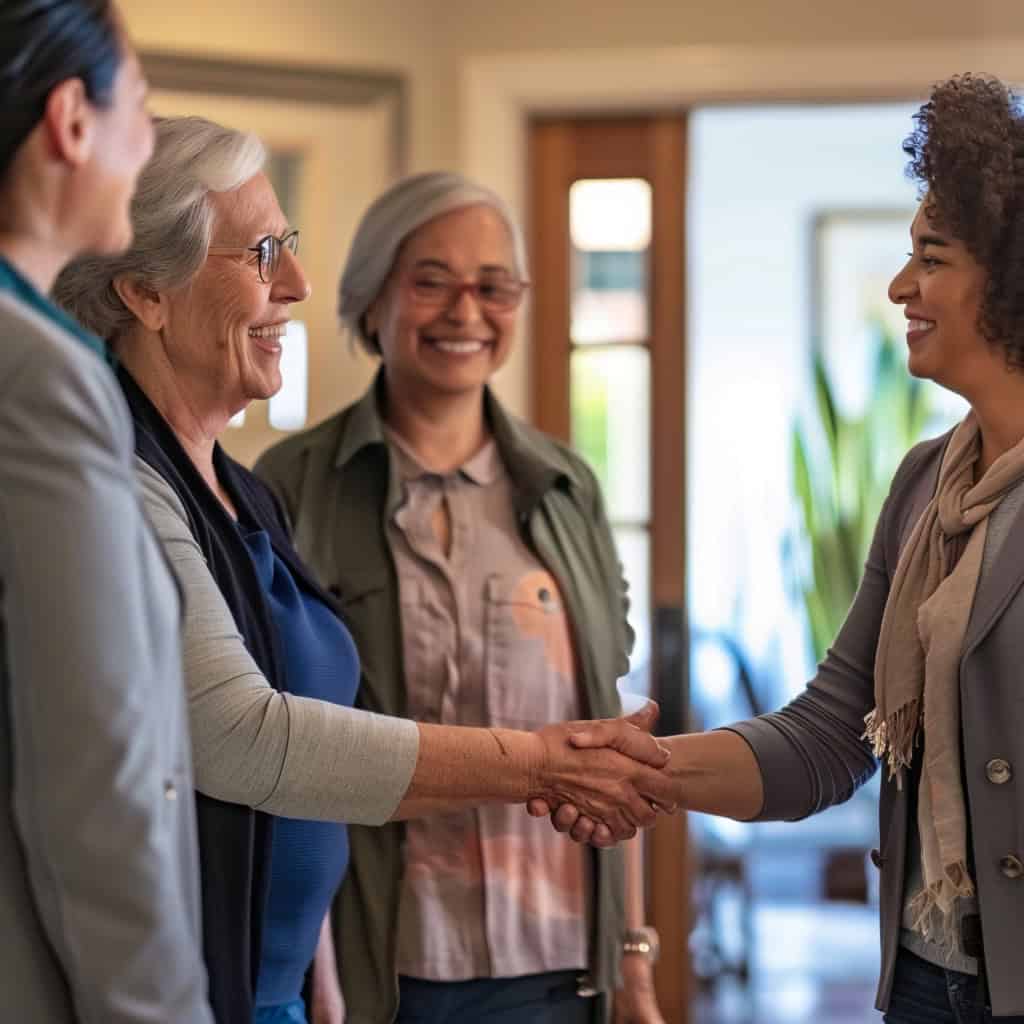
RCFE administrators talk with families

2. A Compassionate, Non-Defensive Tone for Elderly Care Administrators

When addressing difficult issues, it’s easy for conversations to become defensive or confrontational. To avoid this, set a compassionate tone right from the start. Acknowledge the family’s concerns and show that you understand or at least have compassion for their emotional struggles. Statements like, “I know this is a tough time for you,” or “We’re here to help you through this process” can help defuse tension.

Being non-confrontational doesn’t mean agreeing with everything, but it does mean validating the family’s feelings. Even when you need to correct misunderstandings or provide an alternative viewpoint, do so in a considerate and understanding way. RCFE caregiver training that teaches empathic communication is critical for you and your staff.

Tip: Use “I” statements, such as “I’ve noticed changes in your mother’s health,” instead of “You should have noticed these changes.” This language helps keep the conversation neutral and avoids placing blame.

3. Be Clear and Transparent About Residential Care Options

Families may not fully grasp the extent of care an RCFE can offer, especially when new health challenges arise. It’s important to communicate clearly about what care services are available and any limitations your facility may have. For instance, if a resident’s needs surpass what your facility can provide, such as requiring skilled nursing care, you’ll need to explain that and guide the family toward other options.

Transparency is also vital when discussing costs, the potential need for additional services, and the long-term care plan. Be honest but compassionate when addressing the realities of their loved one’s condition and the resources required to maintain quality care.

Additionally, consider further care and activity options your RCFE could offer. For example, offering senior exercise programs can go a long way toward improving the physical health, mental health, and quality of life of your residents.

4. Include the Resident in the Conversation Whenever Possible

Whenever feasible, ensure your RCFE involves the resident in caregiving discussions. This not only demonstrates respect for their autonomy but also helps alleviate some of the family’s stress around decision-making. If the resident can still competently express their preferences, their input is invaluable to shaping a care plan that honors their wishes.

Even in cases where the resident has advanced cognitive decline or is nonverbal, it’s still important to include them in the conversation as much as possible. Their presence and dignity should always be acknowledged, and the family can be encouraged to make decisions in line with the resident’s known preferences or advance directives.

Also, consider supporting residents’ emotional well being and mental health, which can help them keep a clear mind and take stress off your staff and the resident’s family members. For example, providing means to help seniors cope with depression can be invaluable to your residents and your RCFE staff.

Tip: If the resident has a valid advance directive or living will, use it to guide discussions. This guide should serve as an outline to help the family focus on respecting the resident’s stated desires.

5. Be Patient and Give Space for Emotional Reactions

Strong emotional responses are common in family caregiving conversations, with loved ones often dealing with guilt, fear, sadness, or even anger. These emotions can make discussions more challenging, but as an RCFE administrator, it’s essential for you and your staff to be patient and allow family members the time they need to process the information.

Encourage open dialogue and be understanding when emotions run high. Rather than pushing for immediate solutions or rushing through the conversation, give the family time to express their feelings. Allowing space for the expression of emotions can serve as a necessary precondition for moving toward effective problem-solving. 

Often, just being a compassionate listener can help ease tensions and move the discussion toward a more constructive path. If the family needs more time to think things over, offer to schedule a follow-up meeting. 

This flexibility can give family members the opportunity to reflect on what was discussed and return with additional questions or decisions. They may return in a place (emotionally) where they are more able to problem solve.

Tip: Acknowledge the difficulty of the situation by saying things like, “I know this is an incredibly tough decision, and it’s completely understandable that you need time to think about it.”

6. Encourage a Collaborative Approach

The ultimate goal of any caregiving conversation should be to establish a collaborative partnership between the family members, the resident, and the RCFE care team. Make it clear to families that you’re all working toward the same goal: ensuring the best care and quality of life for their loved one. Position yourself as a supportive partner who is there to offer guidance and expertise.

Whenever possible, give families options rather than hard directives. For example, instead of saying, “We can’t provide the level of care your father needs,” try framing it as, “We’ve noticed your father’s care needs are increasing, and we’d like to explore the best ways to meet them moving forward.”

By encouraging family members to ask questions, explore concerns, and participate in the care planning process, you can foster a stronger sense of trust and engagement. This also helps to minimize misunderstandings or miscommunication down the road.

Tip: When appropriate, bring in third-party professionals like case managers or social workers to help mediate difficult discussions or offer additional support and guidance.


Navigating challenging family caregiving conversations is a critical part of running an RCFE in California. However, you can handle these discussions with care and professionalism by preparing thoroughly, maintaining a compassionate tone, being clear and transparent, involving the resident where possible, allowing time for emotional processing, and fostering a collaborative approach.

When families feel heard, respected, and supported, it strengthens the relationship between the RCFE team and the resident’s family. Ultimately, this leads to better outcomes for the resident, a stronger reputation for your facility, and a more fulfilling experience for everyone involved.


Alzheimer’s & Dementia Training for RCFE Caregivers: What You Need to Know

Caring for individuals with dementia or Alzheimer’s disease requires more than basic caregiving skills—it demands specialized knowledge, sensitivity, and the ability to manage unique challenges that arise. 

As a caregiver in a Residential Care Facility for the Elderly (RCFE), understanding the differences between dementia and Alzheimer’s – and obtaining relevant training and certifications – is essential for providing the highest standard of care for your assisted living business.

In this article, we will explore dementia and Alzheimer’s training, their importance for caregivers, and how you can pursue certification to improve both your skills and the quality of care you deliver.

Dementia vs. Alzheimer’s: What’s the Difference?

One of the most common misconceptions in elder care is confusing dementia with Alzheimer’s disease. Although they share similar characteristics, they are not the same.

Dementia is an umbrella term used to describe a set of symptoms, including memory loss, difficulty with reasoning, language, and other cognitive abilities. Dementia symptoms can interfere with daily life and are caused by damage to brain cells. Dementia itself is not a specific disease but rather a broad category that includes various conditions, of which Alzheimer’s is the most prevalent.

Alzheimer’s disease, on the other hand, is a specific progressive brain disorder and the most common cause of dementia. Alzheimer’s accounts for 60-80% of dementia cases. It leads to the gradual decline of cognitive function, eventually making it difficult for individuals to complete even the simplest tasks.

For caregivers, understanding the distinction between dementia and Alzheimer’s is crucial. It helps tailor the care approach depending on the individual’s diagnosis, as the progression, symptoms, and behavioral changes can vary between conditions. 

Training in both dementia and Alzheimer’s prepares caregivers to provide person-centered care suited to each resident’s unique needs.

What is Alzheimer’s and Dementia Training?

Alzheimer’s and dementia training equips caregivers with the skills and knowledge needed to effectively care for individuals suffering from cognitive decline. 

This type of training goes beyond general caregiving and delves into understanding the complexities of brain function, disease progression, and behavioral management.

Alzheimer’s and dementia training focuses on:

  • Understanding the types of dementias and the different stages of Alzheimer’s, from early onset to late stages.
  • Communication techniques for interacting with individuals experiencing memory loss or confusion.
  • Strategies for managing behavioral symptoms such as aggression, wandering, or anxiety.
  • Creating a safe and supportive environment for residents with memory impairments.
  • Learning the importance of maintaining emotional well-being for both caregivers and patients.

By undergoing dementia training, caregivers can earn a dementia training certificate through specialized programs like the one offered by Assisted Living Education. This certificate ensures that caregivers are well-versed in dementia care protocols, increasing their ability to provide compassionate and effective care.

alzheimer's training for caregivers

Why is Alzheimer’s and Dementia Training Important?

Training specifically focused on dementia and Alzheimer’s care is crucial for a number of reasons:

1. Improving Quality of Care

The progression of dementia and Alzheimer’s affects each individual differently. Therefore, a one-size-fits-all approach to care is insufficient. Through Alzheimer’s and dementia training, caregivers can learn how to customize care plans based on the needs of the individual at each stage of the disease. This includes adjusting communication styles, understanding triggers for certain behaviors, and creating a sense of safety and routine for residents.

2. Effective Communication with Residents

One of the key challenges in caring for individuals with dementia or Alzheimer’s is maintaining effective communication. As the disease progresses, verbal communication becomes increasingly difficult for the affected person. 

Caregivers trained in Alzheimer’s and dementia care learn strategies for bridging these communication gaps, using techniques such as nonverbal communication, sensory stimulation, and positive reinforcement.

3. Managing Challenging Behaviors

Residents with dementia or Alzheimer’s may experience frustration, confusion, and fear, which can manifest in difficult behaviors such as agitation, wandering, or even aggression. Training helps caregivers manage these behaviors with patience and skill, focusing on de-escalation techniques and promoting a calm, structured environment.

4. Ensuring Regulatory Compliance

For those working in RCFE California facilities, dementia-specific training is a regulatory requirement. California mandates that all staff complete training on the unique needs of dementia and Alzheimer’s patients. Completing this training helps ensure that facilities remain compliant with state regulations while also improving the quality of care delivered to residents.

5. Building Trust with Families

When families place their loved ones in an RCFE, they trust that the caregivers are not only compassionate but also competent in handling the unique challenges of dementia and Alzheimer’s. Caregivers who are trained in dementia and Alzheimer’s care can provide peace of mind to families, ensuring them that their loved one is receiving the best possible care.

Obtaining Alzheimer’s and Dementia Training 

Obtaining Alzheimer’s and Dementia training is an important step for any caregiver looking to specialize in memory care. This education provides caregivers with in-depth knowledge, including how to recognize different stages of the disease, how to communicate with patients effectively, and how to manage difficult behaviors.

Many programs are available online and cover the clinical aspects of memory care. For example, Alzheimer’s training for caregivers provides comprehensive education on the care protocols necessary to support individuals with both Alzheimer’s and Dementia, from early-stage symptoms to advanced care needs.

Certification programs often include both theoretical knowledge and practical applications, ensuring that caregivers are well-prepared to handle the complexities of Alzheimer’s and Dementia care. Once certified, caregivers will not only be able to provide better care but also advance their careers by gaining specialized skills that are increasingly in demand.

Continuing Education for RCFE Caregivers

Dementia and Alzheimer’s care are constantly evolving fields, with ongoing research and advancements in treatment, care strategies, and understanding of the diseases. As such, it is essential for California caregivers to stay up to date with the latest developments.

Dementia training courses offer caregivers the opportunity to expand their knowledge, improve their caregiving techniques, and ensure they are compliant with state regulations. These courses often cover advanced topics such as:

  • Innovations in dementia and Alzheimer’s care.
  • Techniques for enhancing quality of life in residents with cognitive impairments.
  • Ethical considerations in dementia care.
  • Addressing the emotional needs of caregivers themselves, as burnout is a significant concern in memory care roles.

By participating in ongoing training and obtaining CEUs, caregivers demonstrate their commitment to providing the best possible care for their residents.

A Commitment to RCFE Caregiver Training & Quality Care

Dementia and Alzheimer’s care present unique challenges that require caregivers to be specially trained in managing the cognitive, emotional, and behavioral aspects of these conditions. By offering dementia training for caregivers, RCFE professionals can ensure they are equipped to handle the complexities of memory care with empathy and skill.

With the increasing prevalence of dementia-related conditions, caregivers who undergo specialized training not only enhance their professional qualifications but also significantly improve the quality of life for their residents. 

Training programs offered by institutions like Assisted Living Education provide caregivers with the knowledge they need to deliver compassionate, person-centered care.

_____________________________________________________________


Want more residents? Be prepared to care for individuals with Alzheimer’s and Dementia. These residents represent one of the largest growing populations in assisted living facilities. Are you ready to provide them with the specialized care they need?

Learn how now with these best in class course options:

Take advantage of these courses to equip yourself with the knowledge and skills needed to support residents with memory care needs, ensuring your facility is ready for the future.


8 Important Features Families Look For in an RCFE 

When it comes to choosing an assisted living facility for their loved ones, family members undertake a rigorous evaluation process. They want to ensure that the Residential Care Facility for the Elderly (RCFE) they select provides a safe, nurturing, and engaging environment. 

As an assisted living manager, understanding and addressing these concerns effectively can make a significant difference. This guide will explore key areas that family members scrutinize and provide insights on ensuring they recognize your RCFE as the best choice for their loved ones.

1. The quality of care in your assisted living facility

The foremost concern for any family member is the quality of care their loved one will receive. This encompasses several aspects:

  • Staff training and qualifications: Ensure that your staff is not only adequately trained but also possesses specialized training in areas like dementia training and Alzheimer’s care. Highlight any ongoing education programs or certifications your staff has achieved.
  • Staff-to-resident ratio: Families look for facilities with a manageable number of residents per caregiver. This ratio ensures personalized and attentive care.
  • Additional services: Provide detailed information about the healthcare services available at your RCFE, including medication management, on-site medical staff, and partnerships with local healthcare providers.

2. Safety and security

Safety should be a paramount concern at residential care facilities for the elderly. Families want to feel assured that their loved ones are in a secure environment.

  • Emergency preparedness: Describe your emergency response plans, including fire drills, evacuation procedures, and disaster preparedness measures.
  • Security measures: Discuss the security systems in place, such as secure entry points, surveillance cameras, and protocols for visitor management.
  • Fall prevention: Highlight the measures taken to prevent falls, such as handrails, non-slip flooring, and well-lit hallways.

3. Cleanliness and maintenance

A clean and well-maintained facility is a strong indicator of the overall quality of care and management. The cleanliness and appearance of your California RCFE become the basis for initial impressions and imply how much care the facility and its residents are given by its staff.

  • Housekeeping standards: Share details about your housekeeping schedules and the measures taken to ensure a hygienic environment.
  • Odor: Smell is a powerful influence on how people perceive an RCFE. Ensure no odors present could indicate a lack of hygiene or maintenance. This includes biological smells from the rooms and residents, mold, mildew, and certain chemical smells. Consider that overpowering ‘masking’ smells from chemical odor treatments may suggest to visitors that something unhygienic is being hidden.
  • Facility upkeep: Regular maintenance schedules and prompt repair of any issues are critical. Emphasize the attention given to the upkeep of the facility, including common areas, residents’ rooms, and outdoor spaces.

There are a number of important guidelines and factors to consider before turning your home into an assisted living facility, which will help ensure you have a clean and high-quality assisted living facility.

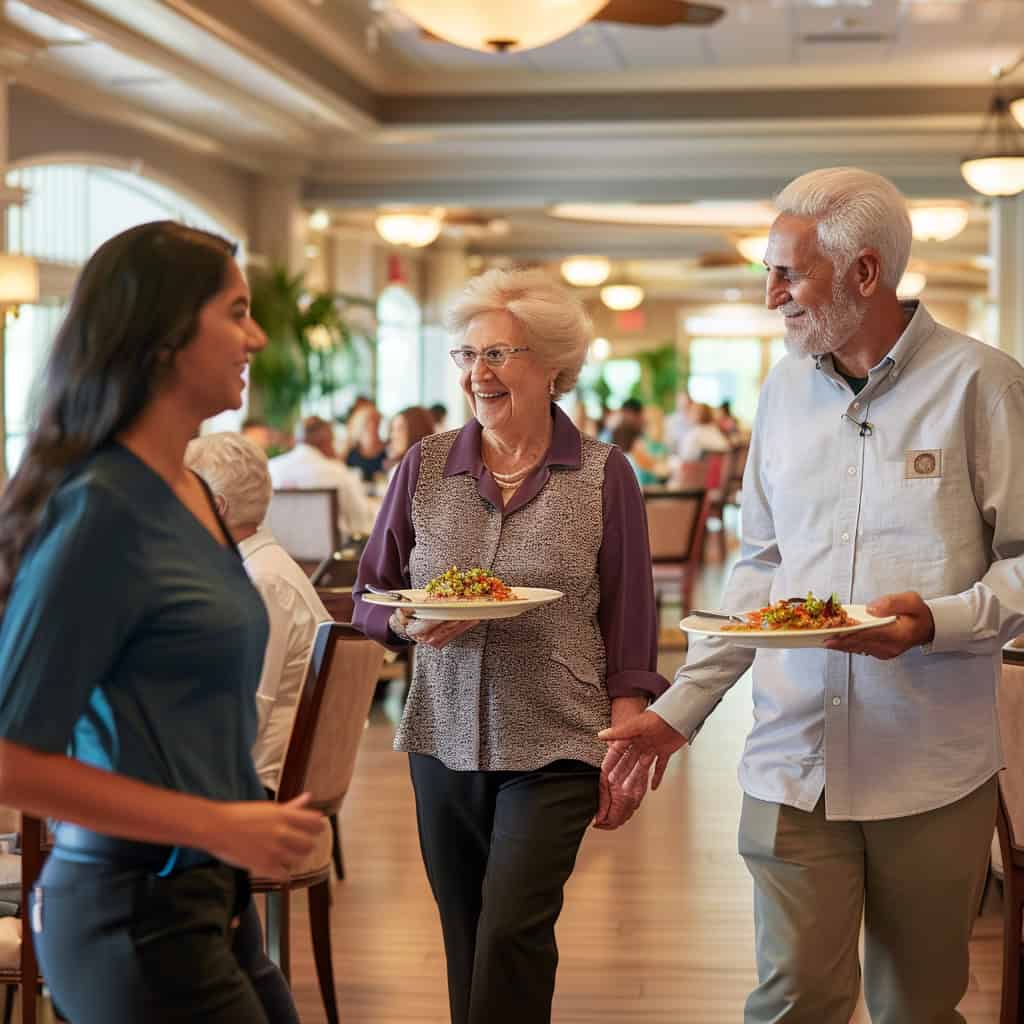
RCFE nutrition program

4. Nutrition and dining experience

Proper nutrition is essential for the health and well-being of residents.

  • Meal plans: Provide sample menus that showcase a variety of healthy and appetizing meals. Mention any special dietary accommodations available for residents with specific needs.
  • Dining environment: Describe the dining setting and emphasize the importance of mealtimes as social opportunities. A pleasant dining experience can greatly enhance residents’ quality of life.

5. Activities and social engagement

An active and socially engaging environment is crucial for residents’ mental and emotional well-being.

  • Daily activities: List a variety of daily activities and events that cater to different interests and abilities. Highlight unique programs or partnerships with local organizations.
  • Outings and day trips: Mention planned outings and trips residents can look forward to. Ensure these are regularly updated and visible to residents and their families.
  • Social interaction: Foster a community atmosphere where residents can build friendships. Discuss social clubs, group activities, and events that encourage interaction.

6. Personalization and individual attention

Families want to know that their loved one’s individual needs and preferences will be respected and catered to.

  • Personalized care plans: Explain how care plans are tailored to each resident’s specific needs, preferences, and medical conditions.
  • Resident input: Show that you value residents’ opinions by involving them in decision-making processes related to activities, menus, and other aspects of daily life.

Communication family at RCFE

7. Communication with families

Certified assisted living managers need to ensure open and transparent communication with families. Building trust and informing them about their loved one’s well-being is essential.

  • Regular updates: Provide regular updates on residents’ health, activities, and any changes in care plans. Utilize multiple channels, such as phone calls, emails, and family meetings.
  • Family involvement: Encourage family participation in events, care planning meetings, and other activities. This helps families feel connected and reassured about their loved one’s care.

8. Transparent pricing and financial considerations

Families need clarity and transparency regarding the costs associated with care.

  • Clear pricing: Provide a detailed breakdown of costs and what is included in the fees. Avoid hidden charges and be upfront about any additional costs.
  • Financial assistance: Inform families about any available financial assistance programs, payment plans, or insurance options.

An assisted living manager checklist for evaluating your RCFE

Here is a checklist to ensure your assisted living facility meets the expectations of prospective families. This list will also be important to use when opening a California RCFE.

  • Are all staff members trained in dementia care and other specialized needs?
  • Is there a low staff-to-resident ratio ensuring personalized attention?
  • Are emergency preparedness plans and security measures in place and well-documented?
  • Are cleanliness and maintenance standards consistently high throughout the facility?
  • Do meal plans offer a variety of nutritious and appealing options with accommodations for special diets?
  • Are daily activities and social events varied and inclusive, with regular outings planned?
  • Are care plans personalized to meet the unique needs and preferences of each resident?
  • Is there a system for regular communication with families, including updates on health and activities?
  • Are pricing structures transparent with no hidden fees, and is there information on financial assistance available?

Presenting your California RCFE

First impressions matter, and how you present your RCFE can significantly influence a family’s decision. Below are additional tips to help ensure your facility stands out:

  • Professionalism: Ensure all interactions, whether in person, over the phone, or online, are handled professionally and courteously. Staff should be knowledgeable and able to answer questions confidently.
  • Tours and visits: Offer comprehensive tours that showcase your facility’s best features. Allow families to meet staff and residents, observe activities, and get a feel for the community atmosphere.
  • Marketing materials: Maintain up-to-date brochures, websites, and social media profiles that provide detailed information and highlight the strengths of your facility. Include testimonials from residents and their families.
  • Community Involvement: Demonstrate your facility’s engagement with the local community. This can include partnerships with local organizations, participation in community events, and volunteer programs.

For further information and important concepts to know when opening your California RCFE, you can refer to this RCFE administrator list

Choosing an assisted living facility is a significant decision for families, and they look for a place that not only meets their loved one’s physical needs but also provides a supportive and enriching environment. 

By focusing on quality care, safety, cleanliness, nutrition, social engagement, personalization, communication, and transparency, your RCFE can present itself as a top choice. Remember, the key is to consistently demonstrate that you are committed to the well-being and happiness of your residents.

By addressing these critical areas, you can ensure that your RCFE not only meets but exceeds the expectations of families, making it a trusted and respected choice in your community.

California Title 22: What It Is and How RCFEs Stay Compliant

Navigating the complex landscape of regulations is crucial for any business, and assisted living facilities in California are no exception. 

Ensuring compliance with California Title 22 is a fundamental aspect of operating these facilities. 

Title 22 encompasses a broad range of requirements designed to ensure the health, safety, and well-being of residents in assisted living environments. 

In this article, we will explore what the California Title 22 assisted living regulations entail and the implications of non-compliance, offering valuable insights for facility administrators and stakeholders.

What Is Title 22 California?

Title 22 – is a comprehensive set of rules governing various types of service providers in California, such as home health agencies, hospice and community care facilities, including assisted living facilities. These regulations are established by the Health and Human Services Agency. California Department of Social Services (CDSS)  is responsible for various types of care homes and designed these regulations to ensure that facilities provide safe, healthy, and supportive environments for their residents.

California Title 22 RCFE regulations

Mistakes some RCFEs in California can avoid is Title 22 compliance.

Key Areas Covered by Title 22 California

  1. Facility Licensing and Operation: Title 22 outlines the requirements for obtaining and maintaining an assisted living facility license. This includes guidelines on the application process, the qualifications needed for staff, and the standards for physical facilities.
  2. Resident Rights and Protections: The regulations emphasize the rights of residents, ensuring they receive adequate care, respect, and privacy. This includes provisions for resident admissions, assessments, care plans, and the handling of grievances.
  3. Staffing Requirements: Title 22 specifies the necessary qualifications for staff, including the requirement for administrators to hold an RCFE administrator certificate. It also sets forth mandatory training programs, such as RCFE administrator certification training, to ensure that staff are adequately prepared to meet residents’ needs.
  4. Health and Safety Standards: The regulations mandate various health and safety protocols, including sanitation, medication management, emergency preparedness, and proper nutritional standards. Facilities must establish a California RCFE emergency disaster plan to address potential emergencies and ensure resident safety.
  5. Record Keeping and Reporting: Title 22 requires facilities to maintain comprehensive records of resident care, incidents, and compliance with state regulations. This includes regular reporting to CDSS and ensuring transparency in operations.

How Assisted Living Facilities Remain Compliant with California Title 22

Compliance with California Title 22 is an ongoing process that requires diligence, regular training, and systematic oversight. Here are some strategies that assisted living facilities can implement to remain compliant:

Regular Training and Education

Continuous education is vital for all staff members. Facilities should invest in robust training programs that cover all aspects of Title 22 regulations. This includes specific training for administrators to ensure they maintain their RCFE administrator certificate and stay updated with any regulatory changes.

Comprehensive Policies and Procedures

Establishing detailed policies and procedures that align with Title 22 is crucial. This includes creating an emergency disaster plan, ensuring proper medication management protocols, and setting clear guidelines for resident care and safety.

Regular Audits and Inspections

Conducting internal audits and inspections helps facilities identify potential areas of non-compliance before they become significant issues. These audits should review all aspects of facility operations, from health and safety standards to staff qualifications and resident care plans. 

The Community Care Licensing Division (CCLD) of the Department of Social Services has developed CARE Tools for use in the Adult and Senior Care Program, which would be beneficial to your further education.

Effective Communication and Reporting

Maintaining open lines of communication with residents, their families, and regulatory bodies is essential. Facilities must keep thorough records and report any incidents or changes in resident conditions to the appropriate authorities promptly. Transparency in operations builds trust and helps ensure compliance with regulatory requirements.

What Are the Ramifications of Not Being Compliant to California Title 22?

Non-compliance with Title 22 can have severe consequences for assisted living facilities. Understanding these ramifications is crucial for administrators and owners to prioritize adherence to regulations.

Legal and Financial Penalties

Facilities found to be non-compliant can face significant legal and financial penalties. This can include fines, suspension, or revocation of their assisted living license. In severe cases, criminal charges could be filed against the facility’s operators.

Damage to Reputation

Non-compliance can severely damage a facility’s reputation, leading to a loss of trust among current and prospective residents and their families. Negative publicity can result in a decline in admissions, impacting the facility’s financial stability and long-term viability.

Resident Safety and Well-Being

The most critical consequence of non-compliance is the potential harm to residents. Failing to adhere to health and safety standards can lead to inadequate care, neglect, or abuse, putting residents’ lives at risk. This not only has ethical implications but can also result in lawsuits and further regulatory scrutiny.

Operational Disruptions

Regulatory non-compliance can lead to operational disruptions, including mandatory shutdowns or forced changes in management. These disruptions can be costly and challenging to navigate, often requiring significant resources to rectify.

Final Thoughts on California Title 22 Compliance

Compliance with California Title 22 is the cornerstone of successful operation for assisted living facilities in California. These regulations are not just bureaucratic formalities; they are critical guidelines designed to ensure the safety, health, and dignity of residents. 

Facilities that adhere to these standards not only avoid legal and financial pitfalls but also foster environments where residents can thrive.

The journey to compliance begins with a commitment to understanding and integrating the requirements of Title 22 into every aspect of facility management. This includes investing in the continuous professional development of staff, particularly through programs like RCFE administrator certification training

Well-trained staff are the backbone of compliant operations, capable of implementing best practices and responding adeptly to regulatory changes.

Ultimately, the real beneficiaries of strict adherence to Title 22 are the residents. Compliance translates into higher standards of care, safer living conditions, and the assurance that their rights and dignity are being protected. For the families of residents, knowing that their loved ones are in a compliant facility brings peace of mind and confidence in the care provided.

In conclusion, maintaining compliance with California’s Title 22 is a multifaceted endeavor that requires ongoing effort, vigilance, and dedication. For assisted living facilities, it is an investment in quality, safety, and reputation. 

By prioritizing compliance, facilities not only meet regulatory requirements but also affirm their commitment to providing the highest standard of care for their residents. This dedication to excellence ultimately strengthens the facility’s standing and ensures a thriving, supportive environment for everyone involved. 

If you have any other questions about Title 22 compliance, please don’t hesitate to contact us.


Best Skin Care for Seniors Living in an RCFE

A commonly overlooked area of senior health is proper skin care. Skin is our first line of defense from toxins, bacteria, and injury. As we age, our skin becomes thinner and more susceptible to scratches, bruising, and infection. It is critical for longevity and high quality of life to treat our skin well, and not just for aesthetic purposes. For seniors, products that once worked might not have the same effect that they used to. This is why extra care and sustained attention must be paid to proper skin treatment.

The Risks of Poor Skin Care

In addition to being at heightened risk of contracting skin cancer, seniors are more likely to develop the following conditions without proper care:

Senile Purpura presents as purplish spots that appear most often on the arms and legs due to the thinness of the elder person’s skin and frailty of the capillaries and blood vessels.

Exfoliative Dermatitis is characterized by excessive peeling and shedding of skin. It is of particular concern in the elderly because the severe itching can lead to broken skin and subsequent infections.

Stasis Dermatitis is more common in elderly women than men and is characterized by dry, itchy skin.

To prevent skin infections, help your residents with the following tips and guidelines to promote overall skin health. Depending on the individual, you may need to assist them in practicing these routines. However, always check with the primary care physician or the resident’s dermatology specialist before making any changes to their medical, nutritional, or overall health care plan.

Hydration

In order to prevent or cure dry skin, it’s important to make sure each of your residents consume enough water and other fluids. Eight glasses of water per day is a standard recommendation. On hot days, be sure your residents take in  more to compensate for sweat loss. Also be mindful of environments with excessively dry air. Utilizing a humidifier can be helpful if air conditions are too dry. In addition, applying moisturizers, lotions, creams, or other beneficial ointments on a daily basis is important to keep skin healthy and reverse the effects of aging. Incorporating this as part of their daily routine, with the approval of the attending physician, can help keep residents’ skin strong and less likely to peel, crack, or dry out.

Enforce Safety Precautions

Sun protection should be one of the highest priorities to promote healthy skin. The sun’s rays make our skin age quicker; this effect is known by dermatologists as photoaging. Be sure to keep your residents out of direct sun exposure between 10 A.M. and 2 P.M. Keep them covered when outside; have them dressed in pants, a wide-brimmed hat, and long sleeves. Sunglasses help reduce fine lines around our eyes and even protect the eyes themselves. Utilize a broad spectrum sunscreen that offers a protection of SPF 30 (or higher). Verify that the sunscreen is water resistant to avoid running off from sweat.  Even keeping them in shady areas will help reduce the risk of sun overexposure.

Additionally, the skin begins to wrinkle over time. Environmental factors, like ultraviolet (UV) light from the sun, can make the skin less elastic. Contaminants like cigarette smoke and smog can increase the stress put on your skin. If there are residents who do smoke, educating them and even their families (if involved) about the all-encompassing dangers and effects of smoking/tobacco use is beneficial to encourage a change toward healthier habits.

Staying ahead of health concerns before they progress is critical. Check your resident’s skin at least once a month for signs of cancer. Skin cancer is rarely painful, therefore the resident likely won’t complain or indicate there is a problem. Look for changes such as a new growth, a sore that doesn’t heal, a bleeding mole, or moles/growths that appear oddly-colored, asymmetrical, or have irregular edges.

Nutrition

The skin benefits from proper nutrition just like the rest of our body. This is why everybody, especially seniors, should eat foods that are rich in vitamins, minerals, and antioxidants. These foods are immensely beneficial to an overall healthy body and healthy skin. Foods rich in Vitamin A, B, C, E, and K are especially important, including melons, berries, walnuts, salmon, and avocados. Click here to learn more about creating a full nutritional plan for your residents.

It’s also advisable to avoid foods with excessive sugar. Simple carbohydrates such as refined sugars, high fructose corn syrup, and white bread products cause insulin levels to spike which causes inflammation throughout the body. During inflammation, our bodies break down collagen and elastin, causing wrinkles and sagging in our skin.

This is also why everyone needs to be on the same page with the individualized healthcare plan. The attending dietician will adjust the resident’s diet and provide supplemental options according to the medical needs of the individual.

Beyond nutrition, creating safe senior exercise programs will also promote greater health and wellness – not just for the senior’s skin – but his or her overall physical and mental health.

Avoid Over-Washing

Vigorously scrubbing skin or washing with water that is too hot can damage skin and cause irritation. Utilizing a mild, fragrance-free bath soap is ideal to prevent irritation, especially for residents with more sensitive skin. Follow the cleaning and hygiene protocol according to your specific facility, and ask for further guidance if a question or issue arises concerning a particular resident or their circumstances.

Overall Health

Maintaining good overall health is one of the best ways to ensure healthy skin. Getting enough sleep provides your residents’ bodies time to rest and renew themselves. It is also advised that you have your residents participate in regular exercise to promote good cardiovascular health, which helps cuts down on the inflammation.

_________________________________________________

Assisted Living Education is dedicated to providing the highest quality education and continuing education for those in the elder care field. We offer the most in-depth certification and online training programs available with instructors possessing years of real-world and research-backed knowledge. Learn more about RCFE certifications, online training, or visit our contact page to reach us directly.

Senior Exercise Programs to Promote Health & Wellness

As the population ages, residential care facilities for the elderly (RCFEs) play a crucial role in ensuring the health and wellness of their residents. 

Regular physical activity is one of the most effective ways to promote overall well-being in seniors. 

Exercise programs tailored to the needs and abilities of older adults can significantly enhance their quality of life, helping them maintain independence, reduce the risk of chronic diseases, and improve mental health. 

This article explores the benefits of senior exercise programs and offers practical tips for implementing them in residential care facilities for the elderly.

The Importance of Exercise for Seniors Physical Benefits

  • Improved Mobility and Flexibility

Regular exercise helps maintain and improve flexibility, strength, and balance. These physical attributes are essential for daily activities such as walking, bending, and lifting, which in turn help seniors remain independent for longer. 

Flexibility exercises like stretching routines or yoga tailored for the elderly can prevent stiffness and enhance the range of motion, which is crucial for performing everyday tasks.

  • Cardiovascular Health

Aerobic exercises like walking, swimming, and cycling can improve heart health, reduce blood pressure, and lower the risk of heart disease. 

Activities to keep seniors active also enhance respiratory efficiency, ensuring better oxygen circulation throughout the body. Improved cardiovascular health means a reduced risk of strokes and heart attacks, common concerns among the elderly.

senior cardio exercise

A light cardio exercise program helps keep seniors active and alert

  • Bone Health

Weight-bearing exercises such as walking, jogging, and resistance training are crucial for maintaining bone density and reducing the risk of osteoporosis and fractures. Strong bones are vital for preventing serious injuries resulting from falls, which are a significant risk for seniors. 

  • Weight Management

Regular physical activity helps maintain a healthy weight, essential for managing and preventing chronic conditions such as diabetes, hypertension, and arthritis. Maintaining a healthy weight can also alleviate pressure on joints, reduce pain, and improve mobility.

Psychological and Emotional Benefits

  • Cognitive Function

Exercise has been shown to improve cognitive function, slow down the progression of dementia, and enhance memory and attention. 

Physical activity increases blood flow to the brain, promoting neurogenesis and overall brain health. Cognitive exercises combined with physical activity, such as dance-type movements or aerobics classes that require memorization of steps, can be particularly beneficial.

  • Mood Enhancement

Physical activity stimulates the release of endorphins, the body’s natural mood lifters. Regular exercise can help alleviate symptoms of depression and anxiety, promoting a positive outlook on life. 

Activities that combine social interaction and physical movement, like group exercises, can further enhance these benefits.

  • Social Interaction

Group exercise programs provide opportunities for socialization, reducing feelings of loneliness and isolation. Social interaction is vital for mental health, especially for seniors who may feel disconnected from their families or communities. 

Forming exercise groups can foster a sense of belonging and community within the assisted living facility.

Designing Effective Exercise Programs for Seniors

When designing exercise programs for seniors in residential care facilities, it’s essential to consider the diverse needs and abilities of the residents. 

Programs should be inclusive, adaptable, and enjoyable to ensure maximum participation and benefit. 

It will also be important to provide RCFE caregiver training that educates your RCFE staff about the benefits of senior exercise and how such programs can help your residents.

Assessment and Personalization

  • Initial Assessment

Conduct a thorough assessment of each resident’s physical capabilities, medical conditions, and personal preferences. This will help in creating personalized exercise plans that are safe and effective. Assessments should include evaluations of mobility, strength, balance, and any chronic health conditions.

  • Individualized Plans

Tailor exercise programs to each resident’s specific needs using the assessment information. 

Personalization ensures that each resident can participate safely and effectively. Regularly review and adjust these plans to accommodate any changes in health or ability.

Categories of Exercise for Seniors

  • Aerobic Exercises

Activities like walking, swimming, and cycling are excellent for cardiovascular health. Aim for moderate-intensity aerobic exercise for at least 150 minutes per week, as health guidelines recommend. 

senior water aerobics

Light water exercises can be beneficial to keeping the hear and head active.

However, any amount of exercise will convey benefits compared to none. Group walks, water aerobics, and stationary cycling classes are great options.

  • Strength Training

Resistance exercises using weights, resistance bands, or body weight help build and maintain muscle mass. Strength training should be done at least twice a week, focusing on major muscle groups. 


These sessions can include exercises like squats, lunges, bicep curls, and shoulder presses. Such exercises can be adapted for seniors in ways that do not require a high range of motion and ensure safety. Maintaining muscle mass is one of the most critical health factors related to exercise for seniors.

  • Balance and Flexibility

Incorporate exercises that enhance balance and flexibility, such as yoga, tai chi, and stretching routines. These exercises help prevent falls and improve overall mobility. Balance exercises might include standing on one leg or heel-to-toe walking, while flexibility exercises can involve various stretching techniques.

  • Functional Exercises

Include exercises that mimic everyday activities, such as standing up from a chair, reaching overhead, or bending to pick up objects. These exercises improve functional fitness, making daily tasks easier and safer. Functional training can also include practice with assistive devices if needed.

Implementation Strategies

  • Qualified Instructors

Ensure that exercise programs are led by qualified instructors with experience in working with older adults. They should be knowledgeable about senior fitness and capable of adapting exercises to individual needs. Look for certifications in senior fitness or geriatric exercise.

  • Safe Environment

Create a safe and comfortable environment for exercise. Ensure the exercise area is well-lit, free of obstacles, and equipped with safety features like handrails and non-slip flooring. Safety should always be a top priority to prevent injuries.

  • Encouragement and Motivation

Foster a supportive atmosphere where residents feel encouraged to participate. Use positive reinforcement and celebrate achievements to keep motivation high. Consider using motivational tools like music, themed classes, or friendly competitions.

  • Consistency and Routine

Establish a regular schedule for exercise sessions to create a routine. Consistency is critical to reaping the long-term benefits of physical activity. Schedule classes at the same times each week and remind residents of upcoming sessions.

Examples of Exercise Programs Implemented for RCFE Residents

Below are examples of exercise programs implemented in RCFEs to promote health and wellness among seniors. Videos of these exercises tailored for the elderly can be found widely online.

  • Chair-Based Exercises
  • Walking Clubs
  • Water Aerobics
  • Dance Classes
  • Strength Training Sessions
  • Yoga and Tai Chi
  • Group Exercise Classes

Monitoring Progress and Adjusting Programs

Regularly monitor the progress of residents participating in exercise programs. Conduct periodic assessments to evaluate strength, flexibility, balance, and overall fitness improvements. Use this information to adjust and personalize exercise plans as needed. 

Understanding ways to facilitate better care for your residents will be part of the knowledge set required to obtain your assisted living license.

Feedback and Adaptation

Encourage residents to provide feedback on the exercise programs. Understand their likes, dislikes, and any challenges they face. Use this feedback to adapt and improve the programs, ensuring they remain enjoyable and beneficial. Surveys, suggestion boxes, and regular check-ins can effectively gather feedback.

Celebrating Success

Celebrate the achievements of residents to boost motivation and morale. Recognize milestones like improved mobility, increased endurance, or consistent participation. Celebrations can include certificates, awards, or special events. Hosting an annual fitness day or a showcase event where residents can demonstrate their progress can be very motivating.

Conclusion

Implementing senior exercise programs in RCFEs is a powerful way to promote health and wellness among residents. These programs offer numerous physical, mental, and emotional benefits, helping seniors maintain independence, reduce the risk of chronic diseases, and improve their overall quality of life. 

By designing inclusive, personalized, and enjoyable exercise programs, RCFEs can create a vibrant and supportive environment that encourages residents to stay active and healthy.

Investing in the health and wellness of seniors through regular physical activity enhances their individual well-being and contributes to a positive and thriving community within the assisted living facility. 

With careful planning, qualified instructors, and a commitment to continuous improvement, senior exercise programs can become a cornerstone of a holistic approach to elder care, ensuring that residents enjoy their golden years to the fullest.


What Are Important Disaster Preparation Tips for an RCFE Facility?

Many residential care facilities for the elderly emphasize resident safety. For example, RCFEs prioritize fall prevention, security, and other measures. However, disaster preparation might not get the same level of attention that it deserves. The good news is that informed preparation can go a long way if you own or operate such a facility. Similarly, if you’re exploring or completing education regarding senior care communities, your RCFE education should include disaster training.

1. Meet State Requirements

In California, Title 22, Section 87212 and Health and Safety Codes 1569.695 cover emergency disaster plans. RCFEs also need a current LIC 610E and facility sketch.

It’s important to learn about these requirements, among others, when you start an assisted living business. The guidelines cover areas such as utility shutoff, resident assembly points, and making disaster plans available to residents and others. Many of these requirements can be found below.

2. Train Staff

Your facility needs a comprehensive disaster binder. It should include contingencies for different types of disasters and various types of contact information. Staff members must know where it is and what information is in it. Here’s an overview of a disaster training module that ALE offers. It covers much of what to include in your binder.

  • During regular reviews of your disaster plan, ensure that staffers’ first aid cards are current. Hold quarterly fire and disaster drills for each shift.
  • Staff training should cover areas such as utility shut offs and emergency exits (including those leading directly outside).
  • Train staff on how to work with residents who have dementia or who are bedridden. For example, how to evacuate them? How to supervise them?
  • Orientation for new employees should cover disaster procedures.
  • Residents and their family members should get disaster training, too.

Have a plan for keeping residents’ family members in the loop. Staff training should include who contacts DSS, families, hospice, doctors, and others, as well as what contact channels to use.

3. Prepare for Specific Disasters as Well as General Disasters

There are two types of disaster conditions: internal and external. As the name implies, internal disasters originate inside RCFEs. Fire is one example, and RCFE caregiver training needs to include preparedness and response for fire situations. These trainings come with unique prevention strategies, like changing smoke detector batteries at least once a year.

Power, water, and gas outages are other types of internal disasters that you should prepare and train for.

External disasters originate outside of the facility. Earthquakes and heat waves (or extreme heat), for example, fall under the category of external disasters and should be included in your training.

4. Go Online and Stay Current

Store all documents online as soon as you can so that emergency responders, residents’ caregivers, family members, and others can access what they need to, when they need it. Of course, this registry needs to be secure and compliant with regulations. Staff members must input details about medication changes and ADL care notes in this registry.

Both online and physical disaster plans need to be kept complete and up-to-date at all times. For example, it’s crucial to keep your resident rosters current and include ability details, such as whether a resident is bedridden. DSS Form LIC 9020 can serve as your resident roster. Other good information to include:

  • LIC 601s (emergency information)
  • Physician reports
  • Medication lists
  • Insurance cards
  • DNRs, POLSTs, and similar orders

5. Encourage Individual Disaster Kits

It’s a good idea for each resident to have their own kit. These can include:

  • Contact information of the resident’s doctor
  • Extra ID bracelets
  • Copies of power of attorney and other legal documents
  • Copies of medical details about the resident’s condition and current medications
  • Copies of Social Security and insurance cards

The kits should be accessible, with waterproof bags for the documents and medications.

6. Remain Up-to-Date

RCFE administrators need to stay current on their training, too. Stay in touch with local contacts such as the fire department and your Red Cross chapter. They can help with disaster prevention, preparation, mitigation, and training.

emergency preparedness at RCFE

RCFE staff should be trained in emergency procedures, especially evacuation preparedness.

7. Prioritize Evacuations

There’s a lot involved to facilitate smooth evacuations. If you have only one evacuation site, what happens if it’s inaccessible? It’s crucial to designate at least two sites for evacuation.

You must also evacuate medications and support devices as well as residents. Keep in mind that some medications may need refrigeration. Having online medication records for the residents can be vital, so start building online files if you do not have them already.

Some residents may be able to evacuate using walkers and wheelchairs. Staffers may also be able to roll some residents out in their beds. Carries include hip, saddle, and blanket. Educate RCFE caregivers about these and have them practice using them regularly.

Transportation is an important consideration. Will residents leave the premises in cars or by bus? If by bus, you should triage residents for specific buses. 

Load residents who can move on their own first. The last residents to load should be the ones who need the most support. They should also be the first to unload at the destination. Try to put roommates together on the bus since familiarity can be a great asset in a difficult time.

8. Plan for a Smooth Reentry

Evacuations may have gone well, and all residents are safe. However, your work is not quite done. A chaotic, jumbled reentry can pose safety issues that jeopardize your RCFE license. Your disaster plan should be able to answer questions such as these.

  • Who authorizes reentry?
  • What are the RCFE inspection procedures, and how do you determine whether returning is safe?
  • How do you transport residents back?

Some residents may have trauma from what happened (transfer trauma or relocation stress syndrome). Watch for signs of this trauma, and remember that these situations affect residents differently. Distress may also occur when residents move into your RCFE for the first time from home, so administrators and staffers may just need to tap into already-established support skills.

9. Plan for Sheltering in Place

Aim for your RCFE to be self-sufficient for at least 72 hours (about three days) during a disaster. Think about food and resident activities as well as employees who may worry about their families. If you lose power, what happens when residents use motorized scooters, oxygen, or nebulizers? These are crucial aspects to consider.

Emergency call buttons probably won’t work during power outages. You can try to compensate with strategies such as constant supervision of residents with dementia, hourly checks on other residents, or whistles and bells.

For food, DSS mandates two days of perishables and seven days of nonperishables. The requirements do not explicitly mention water. It’s a good practice  to have a three-day supply of water, with about a gallon of water per resident every day. Don’t forget to include your staff in preparing for emergency supplies.

Get Training for Your RCFE

Whether you already operate your RCFE or want to be an administrator someday, comprehensive, professional response training can open many doors. At Assisted Living Education, we offer many certification and training (CEU) opportunities.

Learn more today about disaster preparation, dementia plans of operation, RCFE regulations, and much more.

How Do I Get an RCFE License in California?

Opening and operating a California RCFE requires licensure and Administrator certification and is a great business model that benefits those receiving care as well as the investor. 

The first thing to do when wanting to open an RCFE is get your California RCFE license.

This article describes in more detail on how to obtain your RCFE license. 


What Is an RCFE?

So what exactly is a Residential Care Facilities for the Elderly (RCFE). RCFEs are known by many names, especially in states outside California. Some examples include assisted living facilities, retirement homes and board and care facilities. 

They house elderly residents and provide assistance with things like general care, grooming, social activities, and medication assistance. Licensed facilities can be as small as one resident or as large a facility that has several hundred. 


RCFE Licensing — RCFE Administrator Certification Training

California requires that anyone operating the facility as an RCFE administrator be certified and the facility must be licensed.  In order to become an administrator, you must complete the 80-hour Certification course, pass the state exam with a score of 70% or better and submit a certificate application with the required documents and fee.

To open a facility, an applicant must complete the three-hour online orientation that is required by the Department of Social Services (CDSS). An application for licensure is submitted once you have legal control of the building that you plan to operate from. 

The RCFE Certification Course gives you the basic knowledge to operate an RCFE successfully and competently and to prepare for the role of an RCFE administrator. 

Why? 

Because you will have the responsibility for a number of people’s health and well-being under your care, and you need to know what you’re doing. 


What RCFE Training Includes

A well-structured certificate program includes both online and classroom learning. Once training is completed, you must take the exam and submit your application. Once CDSS processes the application, a certificate will be issued to you and is valid for two years.

In regard to the actual training, Assisted Living Education provides a thorough curriculum that covers all the aspects of opening an RCFE that includes laws and regulations, staffing requirements, application process and allowable and prohibited health conditions that affect client care.

These are just some of the topics you should be prepared to learn during RCFE training in preparation for your Administrator Certificate:

  • Personnel requirements, including initial and ongoing training
  • Background checks
  • Resident Records, Documentation and Privacy
  • Types of Services that can be provided in an RCFE
  • Health-related Services (and staffing requirements)
  • Compliance Requirements and Oversight

Preparing the RCFE license application to open an RCFE can be quite challenging.  The RCFE license is a necessary step to opening a facility. After you establish a facility, you’re going to need properly trained staff and possibly hiring an administrator if you are not going to manage your own facility.

The elderly population may need a variety of services and different levels of care. Assistance with activities of daily living (ADL’s) such as grooming, toileting and medication assistance are some of the common tasks that most caregivers can provide. Many RCFEs also offer senior exercise and wellness programs to keep their residents active, healthy and happy.

As the level of assistance increases, however, so must the skillset of the caregiver.

RCFEs are not medical facilities and should not provide medical care that falls under the scope of a registered nurse or doctor unless those people are either employees of the facility, on call to the facility to provide as needed assistance or assistance is through the use of a home health or hospice agency. 

These agencies assist the facility with specific care needs that a facility is limited by or restricted from performing assistance. If caring for residents with dementia, staff are required to have a specific amount of hours of training to provide proper support and assistance. 

Proper Staff-to-Client Ratio  

Unlike skilled nursing facilities, RCFE’s do not have regulated staff to client ratios. 

For example, there must be at least one qualified employee (meets the required training to provide care as a caregiver) on call on the premises for 1-15 residents.

In facilities with 16-100 residents, there must be at least one employee on duty on the premises and awake. Another employee must be on call and capable of responding within 10 minutes.

In facilities with 101-200 residents, there must be one employee on call on the premises. Another employee must be on the premises awake and another employee must be on call and capable of responding within 10 minutes.

The need for elderly care will only grow in demand. If you are interested in opening and operating an RCFE in California, now is a great time to enter the industry. 

An increasing aging population will require qualified, ongoing care delivered by caring professionals. Contact Assisted Living Education or check out our upcoming RCFE classes for more information on how to get started on licensing a property as an RCFE or for online classes to maintain your current Administrator Certificate.  


People Also Ask

What is an RCFE license, and why do I need it in California?

An RCFE license, or Residential Care Facility for the Elderly license, is required in California to operate a facility that provides non-medical care and supervision to elderly individuals who can no longer live independently.

What are the basic eligibility requirements for obtaining an RCFE certificate in California?

Basic eligibility requirements include being at least 21 years old, completing required training courses, passing a background check, and having sufficient financial resources to operate the facility.

What training and education requirements are necessary to qualify for an RCFE certificate in California?

Training requirements include completing an 80-hour RCFE Administrator Certification Program, passing a state exam, and obtaining CPR and first aid certification. Additional training may be required for specific services.

Are there any specific background check or fingerprinting requirements for obtaining an RCFE license in California?

Yes, all individuals associated with the facility, including the administrator, staff, and volunteers, must undergo a criminal background check and fingerprinting to ensure the safety of residents.

How long does it typically take to receive approval for an RCFE certificate in California once the application is submitted?

The processing time varies but can take several months. Factors such as the completeness of the application, background check results, and inspection findings can affect the timeline.

What are the costs associated with obtaining an RCFE certificate in California, including application fees and any required training?

Costs can vary but may include application fees, training program tuition, exam fees, fingerprinting fees, and any necessary facility modifications to meet licensing requirements.

Are there ongoing renewal requirements for an RCFE certificate in California, and if so, what are they?

Yes, RCFE certificates must be renewed every two years. Renewal requirements typically include completing continuing education units, updating documentation, and paying renewal fees.

What Are RCFE CEU Classes?

CEU stands for Continuing Education Classes. California requires a certain amount of live CEUs be taken to keep your certificate active. Assisted Living Eductaion offets a variety of online and live CEU classes to meet your specific needs. Our most popular RCFE CEU class is a 40-hour course with 20 hours live on Zoom and 20 hours online.

Can you operate an RCFE facility in California without obtaining a license, or are there consequences for doing so?

Operating an RCFE facility without a license is illegal in California and can result in fines, closure of the facility, and legal action. It’s essential to comply with licensing requirements to ensure the safety and well-being of residents.